Antarctica
Antarctica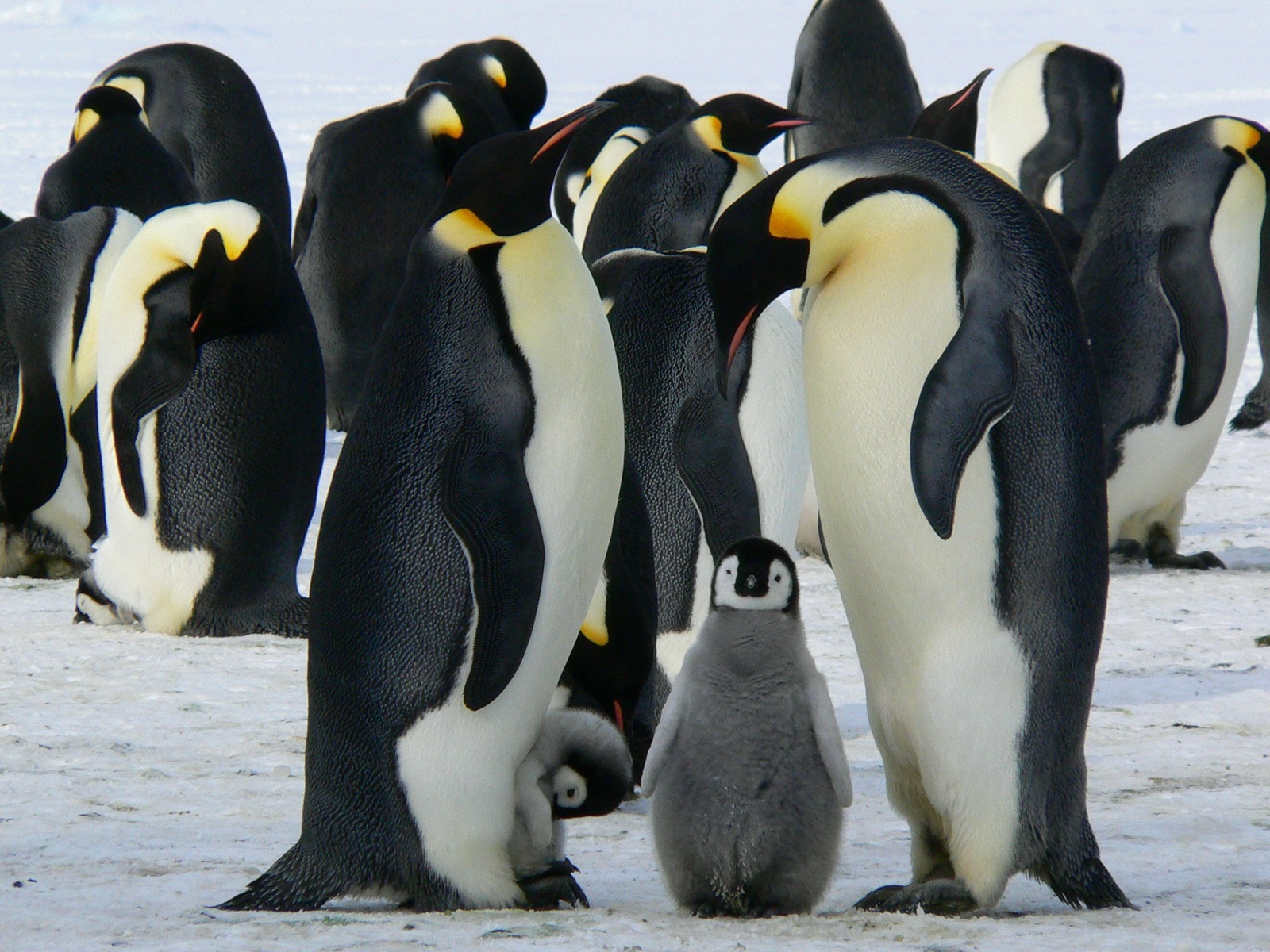
Antarctica is entirely surrounded by the Southern Ocean — one of the stormiest and most remote ocean regions on Earth. The Antarctic Circumpolar Current, the world's largest ocean current by volume, flows around the continent unimpeded by any landmass, driving global ocean circulation and influencing weather patterns worldwide.
The Transantarctic Mountains stretch nearly 3,500 km across the continent, dividing East and West Antarctica. They contain fossil leaves, wood, and other remains of ancient plants and forests — evidence that Antarctica was once much warmer and ice-free, connected to the supercontinent Gondwana.
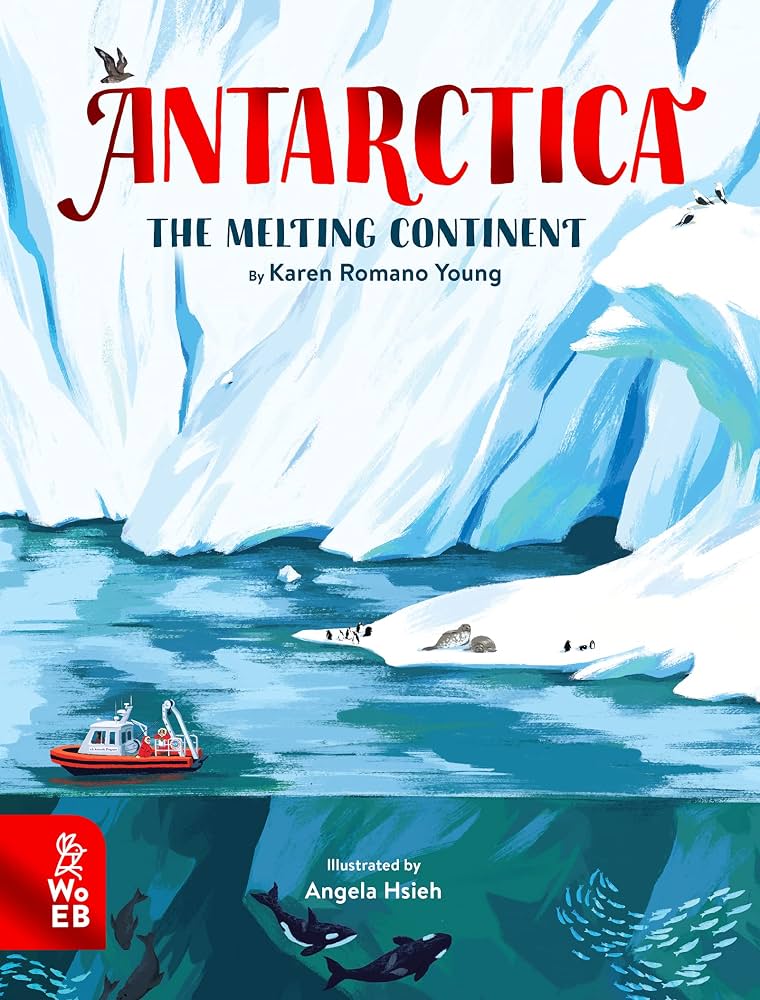
Antarctica is the coldest and driest continent on Earth, and its ice sheet is up to 4,800 meters thick in places — so heavy it has pushed the bedrock thousands of meters below sea level. It covers about 98% of the continent and contains ice layers that preserve bubbles of ancient air, giving scientists a climate record stretching back 800,000 years.
Mount Erebus on Ross Island is the world's southernmost active volcano, rising 3,794 meters above sea level. It has maintained a permanent lava lake in its crater since at least 1972, making it one of only a handful of places on Earth with a persistent open lava surface.
- Antarctica holds about 70% of the world's fresh water, all locked in its ice sheet — if all of that ice melted, global sea level would rise by about 58 meters.
- Lake Vostok, buried beneath nearly 4 km of Antarctic ice, is one of the world's largest subglacial lakes and may have been isolated beneath the ice for millions of years. Scientists study environments like this partly because they may offer clues about whether life could survive beneath the icy surfaces of worlds such as Jupiter's moon Europa.
Dozens of year-round and seasonal research stations operated by more than 30 countries dot Antarctica, ranging from major bases like the U.S. McMurdo Station to tiny seasonal camps. Thousands of scientists and support staff live on the continent during the busy summer research season, while far fewer remain through the dark Antarctic winter. Antarctica has no Indigenous population and no permanent civilian residents.
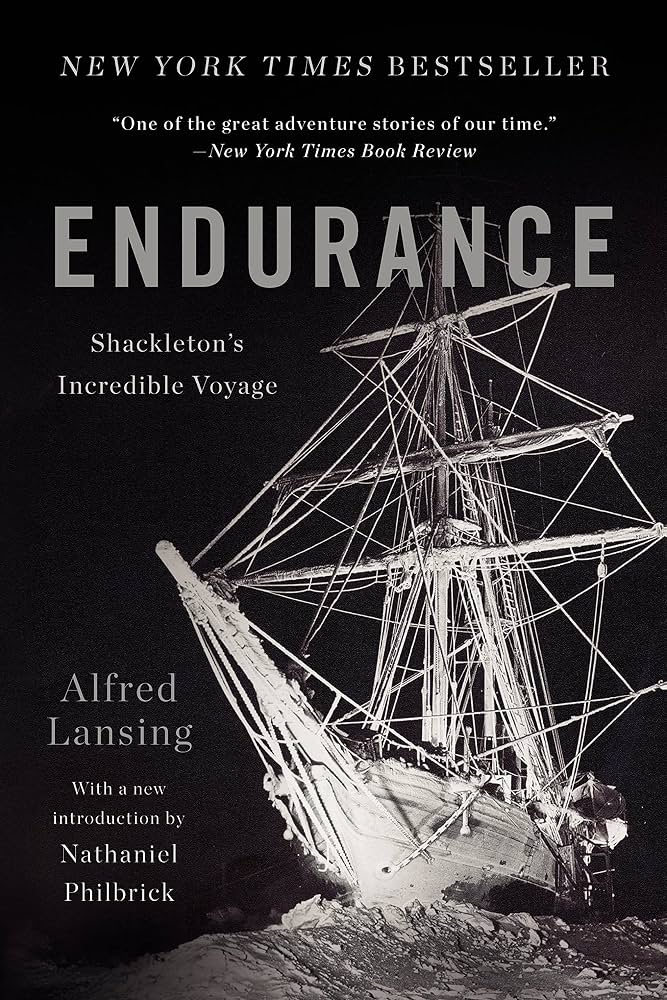
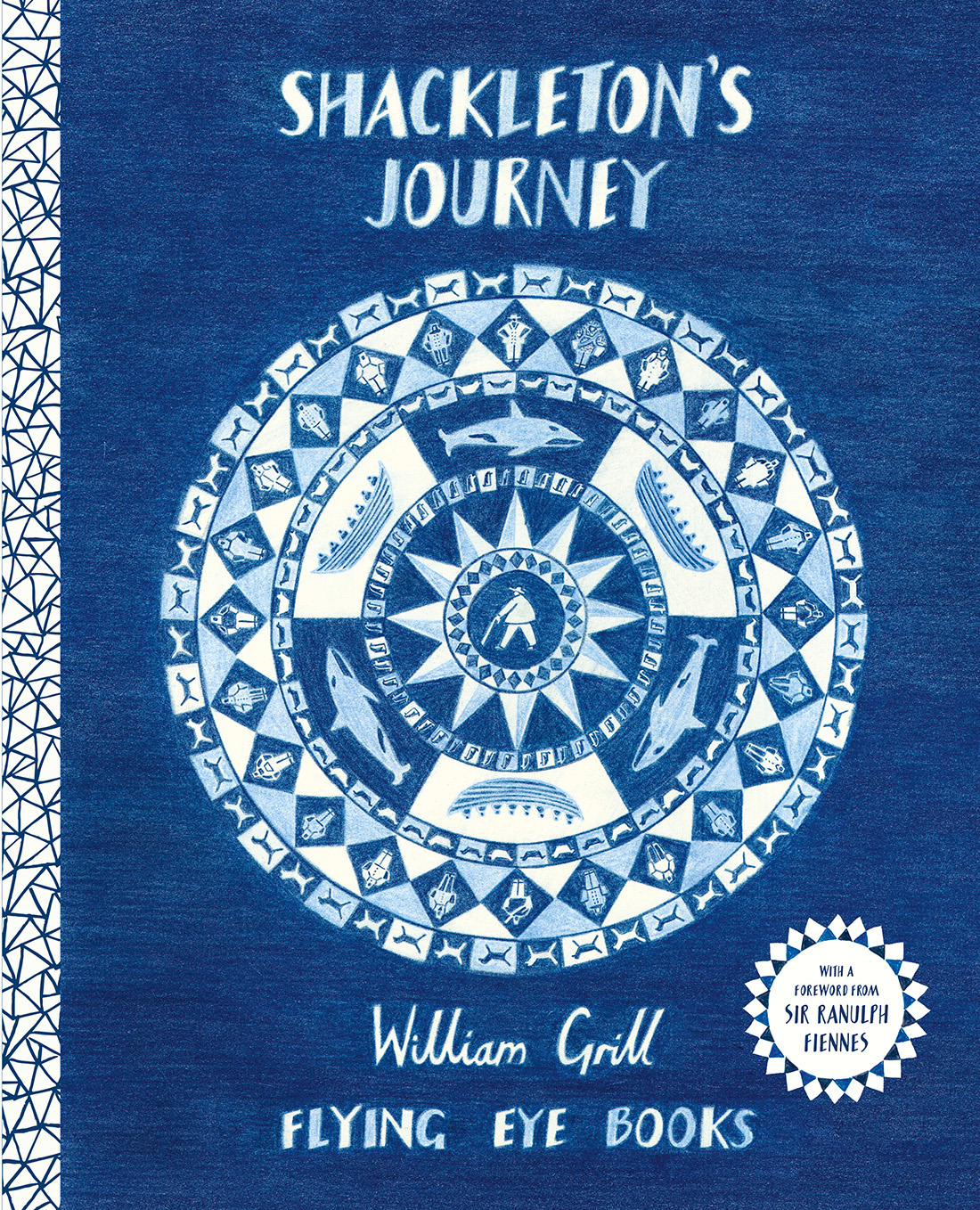
Three expeditions define Antarctica's early 20th-century history. Roald Amundsen's Norwegian team reached the South Pole on December 14, 1911. Robert Falcon Scott's British team arrived 34 days later and died on the return journey. Ernest Shackleton's 1914 Endurance expedition ended with the ship crushed by pack ice — followed by an extraordinary survival and rescue effort that saved all 28 expedition members.
The Antarctic Treaty, signed in 1959 during the Cold War by 12 nations, declared Antarctica a scientific preserve, banned military activity and nuclear testing, and held existing territorial claims in place without endorsing them. Today, nearly 60 countries are parties to the treaty. It is widely considered one of the most successful international agreements in history, a continent governed by consensus rather than ownership.
Antarctic research has produced discoveries that affect the entire planet: British scientists discovered the ozone hole here in 1985; ice cores yield climate records back 800,000 years; and changes in Antarctica's enormous ice sheets are crucial to projections of future global sea-level rise. Antarctica is, in a real sense, the world's largest natural laboratory.
- The first person born in Antarctica was Emilio Marcos Palma, on January 7, 1978 — his mother was sent to Argentina's Esperanza Base late in her pregnancy as part of the country's effort to strengthen its presence in the Antarctic territory it claims. Chile later established families at its own Antarctic base as well, and several more children have since been born on the continent.
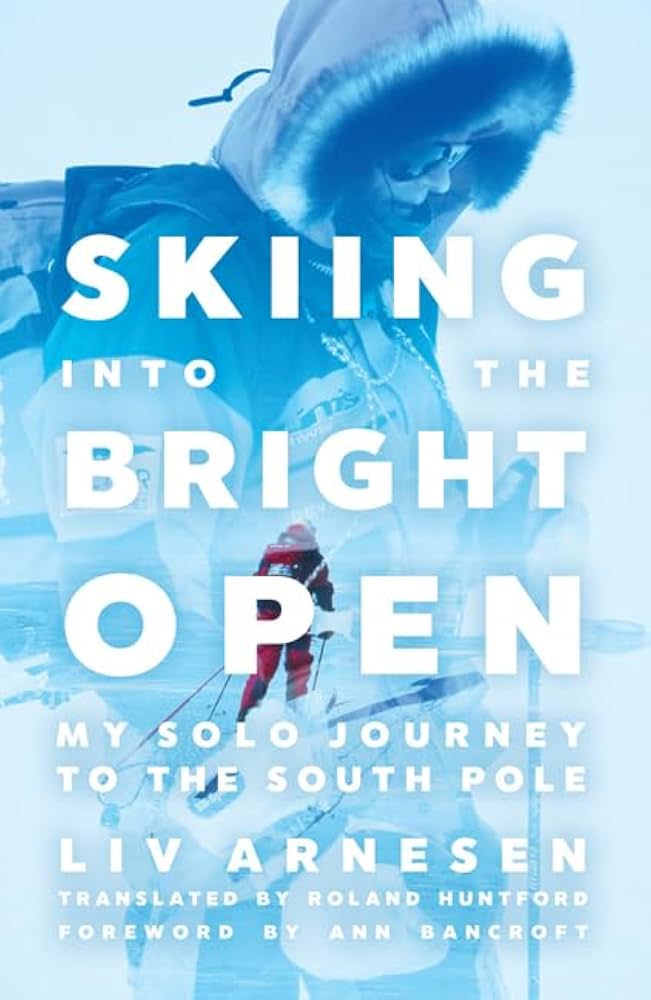
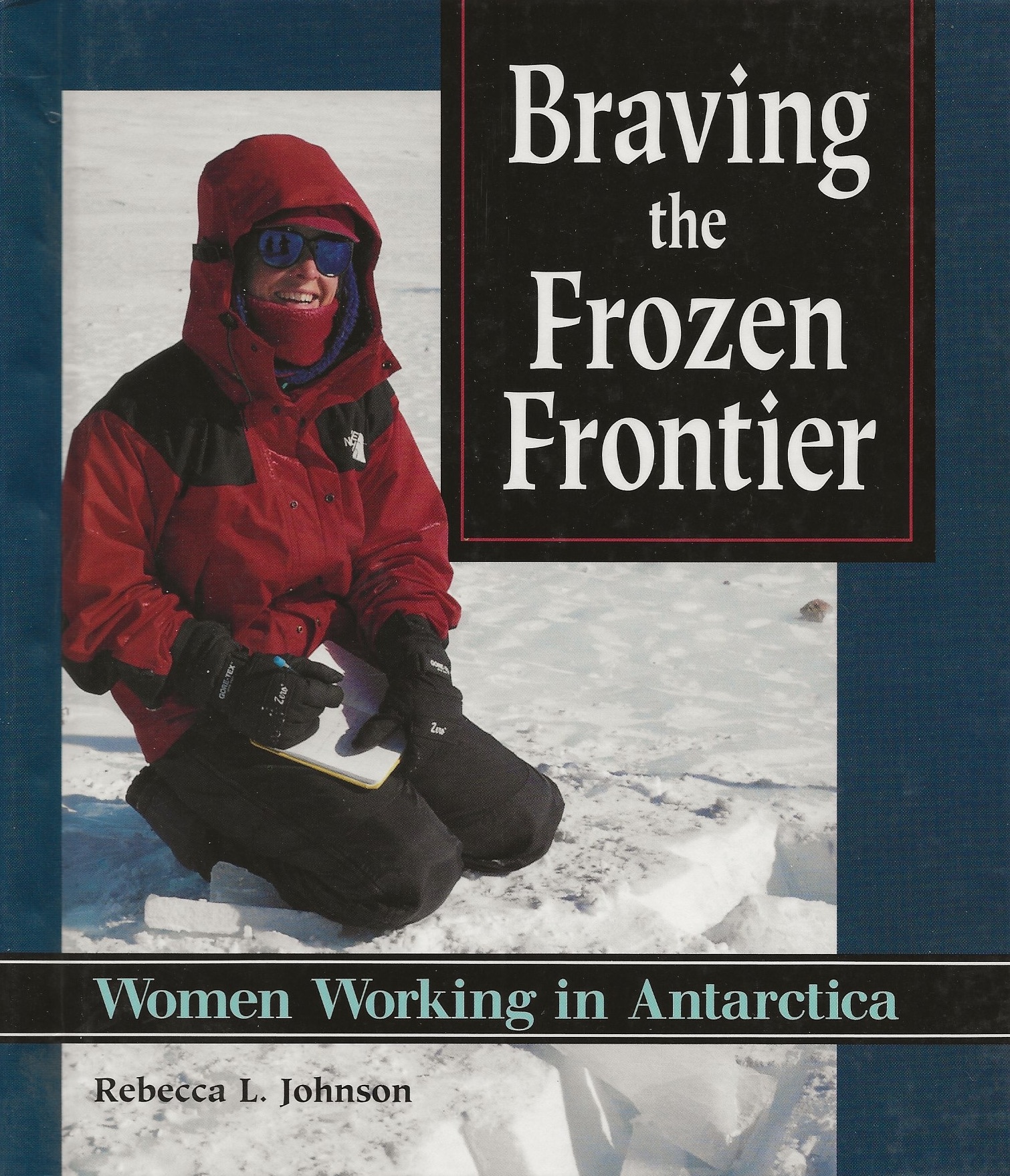
- Women were shut out of Antarctic expeditions for decades, even when they volunteered to go. In 1937, British explorer Ernest Shackleton's former crewmate John Rymill received applications from more than 1,000 women hoping to join his Antarctic expedition — but none were accepted. Women gradually broke through these barriers, and in 1969, six American women scientists became the first women to reach the South Pole.
The Southern Ocean supports commercial fisheries for Antarctic krill and Patagonian toothfish (marketed internationally as "Chilean sea bass"). Annual krill catches reach several hundred thousand tonnes. Krill also anchor the entire Antarctic food web — feeding penguins, seals, and baleen whales — so how much can be harvested without harming the ecosystem is a subject of ongoing international scientific and political debate.
Antarctica now receives more than 100,000 visitors in a typical recent tourism season, almost entirely by cruise ship. Visits concentrate in a handful of coastal sites where wildlife is most accessible and ice conditions are manageable. Tourism brings revenue to gateway cities like Ushuaia (Argentina) and Punta Arenas (Chile) but raises serious concerns about cumulative impacts on fragile shoreline habitats.
Antarctica is unlike any other continent: there are no commercial mines, oil fields, farms, or permanent industries. The Antarctic Treaty System and its Environmental Protocol reserve the continent for peaceful purposes and scientific research, prohibit mineral extraction, and require strict environmental protections. Even tourism and fishing operate under international rules designed to protect Antarctica's unusually fragile environment.
Seven countries claim territorial slices of Antarctica: Argentina, Australia, Chile, France, New Zealand, Norway, and the United Kingdom. The Argentine and Chilean claims overlap each other and the British claim. Under the Antarctic Treaty, these claims are frozen — neither recognized nor abandoned — creating a legal status unique in international law.
- Antarctica has no official time zone. Because all of the world's lines of longitude meet at the South Pole, almost any time zone could technically be used there. Research stations generally use the time zone of the country that supplies them or the place they travel through — so neighboring stations can keep completely different times.
- Women were shut out of Antarctic expeditions for decades, even when they volunteered to go. In 1937, British explorer Ernest Shackleton's former crewmate John Rymill received applications from more than 1,000 women hoping to join his Antarctic expedition — but none were accepted. Women gradually broke through these barriers, and in 1969, six American women scientists became the first women to reach the South Pole.
Recipes
For the whole familySledging Biscuits
Early expeditions depended on compact foods that would survive months of transport and intense cold. Women were largely excluded from those celebrated expeditions, but later women scientists and field workers also relied on carefully planned rations when traveling away from stations.
A firm biscuit made from flour, baking soda, salt, butter, and water
Difficulty: Easy; the dough uses only five basic ingredients
Hoosh
Hoosh supplied warmth and calories from provisions that could be carried for months, but its sameness also shows how little variety early field parties had. The all-male expeditions most often remembered from this period reflected the exclusion of women from officially supported polar exploration.
A thick stew of pemmican, crumbled sledging biscuits, and water or melted snow
Difficulty: More involved because the pemmican and biscuits must be prepared or obtained first; it is best suited to older learners
Food at a Modern Antarctic Station
Modern stations serve varied meals prepared by professional chefs, and women and men share kitchen and station duties. Most food arrives during a summer resupply and must last many months; fresh produce is limited, while small hydroponic systems provide some lettuce, herbs, and tomatoes during the long winter.
An official overview of how annual resupply, station chefs, preserved foods, hydroponics, and the Midwinter Dinner shape life on the continent today
Difficulty: Reference only
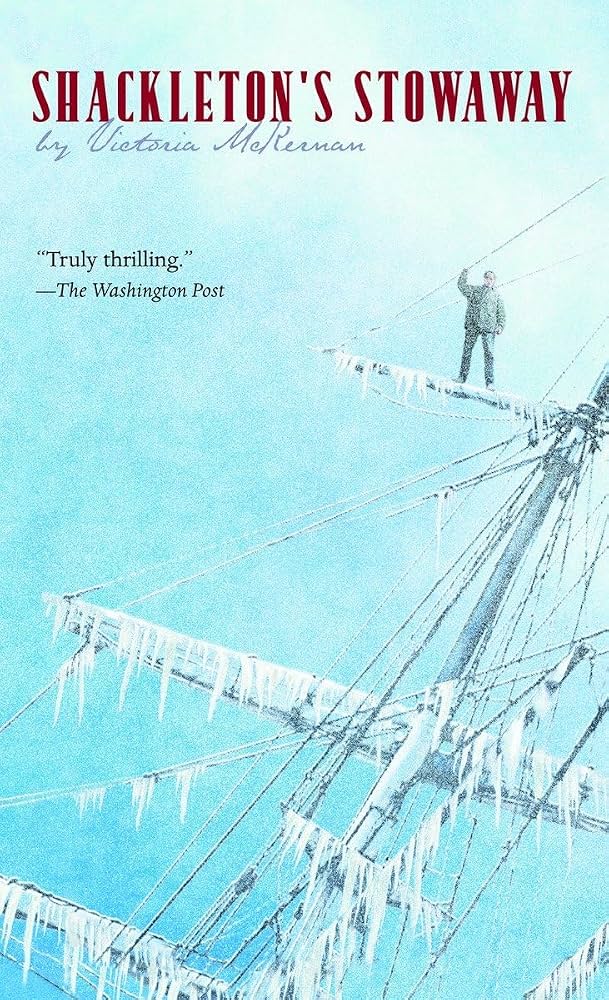
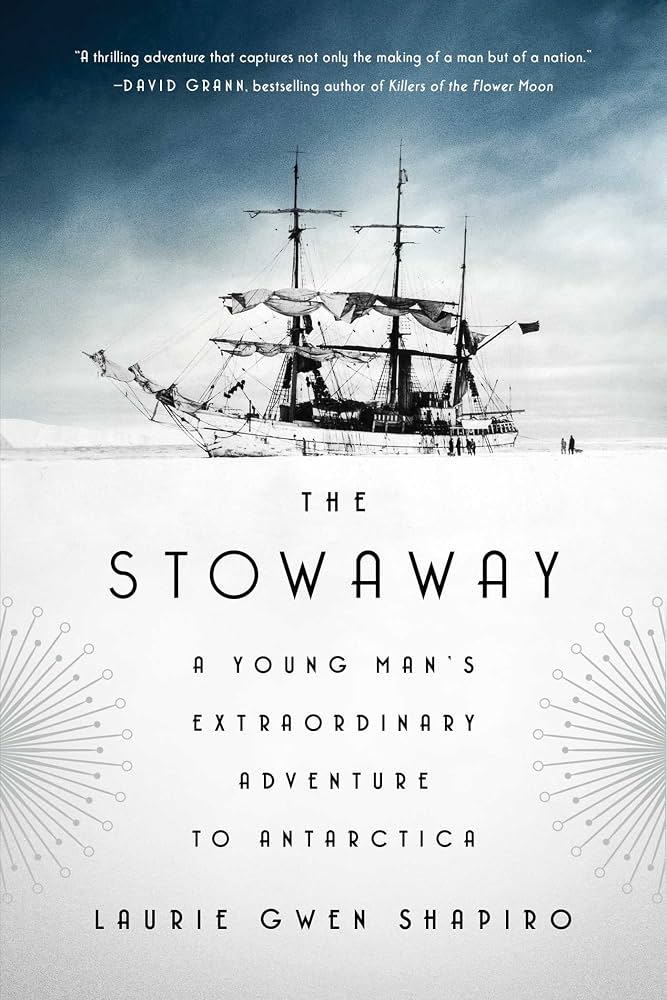
Book connection: The historical foods illuminate the rationing and survival conditions portrayed in Shackleton's Stowaway, Endurance, and Shackleton's Journey; the modern reference shows how Antarctic food and community life have changed.
Traditional Games
All agesA printable board game in which players travel through the Antarctic krill life cycle while encountering sea ice, food, predators, fishing, and changing ocean conditions.
A printable voyage game that follows Australia’s icebreaker through ocean travel, research, wildlife encounters, and the resupply work connecting Tasmania with Antarctic stations.
Activities
Antarctica Is Land Under Ice
Locate Antarctica and the South Pole, then compare the continent with the ocean-centered Arctic
Waddle, Huddle, and Protect the Egg
Move like an emperor penguin while modeling how adults carry eggs and share warmth
Blubber Glove Experiment
Compare a plain plastic covering with a model blubber layer to see how insulation slows heat loss in cold water
Make a Paper Plate Penguin
Turn a paper plate into an emperor penguin, then place it in a snowy Antarctic scene
Build Your Own Ice Core
Layer colored ice or materials in a cup to see how scientists read thousands of years of Antarctic history
McMurdo Weather Detective
Make a forecast from visual clues, then check it against current station data
Break the Ice: Design an Icebreaker
Build and test a model vessel that can move through floating ice while carrying cargo
Antarctica's Food Web: From Tiny to Giant
Trace how energy moves from microscopic phytoplankton to krill to whales, and see what happens when one link is removed.
Shackleton's Endurance: Ice, Maps, and Survival
Trace the Endurance expedition route and see how ice conditions shaped every decision the crew made.
Ice Cores: Reading the Past in Frozen Layers
See how scientists drill into Antarctic ice to read centuries of climate history layer by layer.
Endurance: Survival Story and Modern Shipwreck Discovery
Follow the 1914–1916 expedition, then see how an international team located and documented the wreck in 2022
Scientists at Thwaites Glacier
See how international scientists use ships and instruments to study Thwaites Glacier—and why changes there matter for global sea levels
Map Antarctica’s Landforms and International Stations
Map the continent’s major regions and see how national research programs cooperate across immense distances
Read a Classroom Ice Core
Build and examine a model ice core to learn how layers, trapped air, dust, and debris preserve evidence of past environments
Byrd’s First Antarctic Expedition—and the Work Behind Exploration
Explore photographs of the ships, aircraft, cargo, camp, dog teams, and daily labor supporting the 1928–1930 expedition
Amundsen and Scott: Two Plans for the South Pole
Compare the routes, equipment, animals, supplies, schedules, and decisions that helped Amundsen return safely while Scott’s team died on the journey back
Women and International Antarctic Science
Trace women’s struggle for access to Antarctica and see how women now contribute across international research programs
Ice-Core Carbon-Dioxide Data Analysis
Use Antarctic ice-core evidence and modern measurements to study changes in atmospheric carbon dioxide
How the Antarctic Treaty Works
Discover how the Antarctic Treaty reserves the continent for peaceful activity and scientific research while countries cooperate on inspections, information sharing, and environmental management
Tourism and Environmental Rules in Antarctica
Learn why visitors follow strict rules protecting wildlife, research sites, vegetation, and the continent’s fragile environment
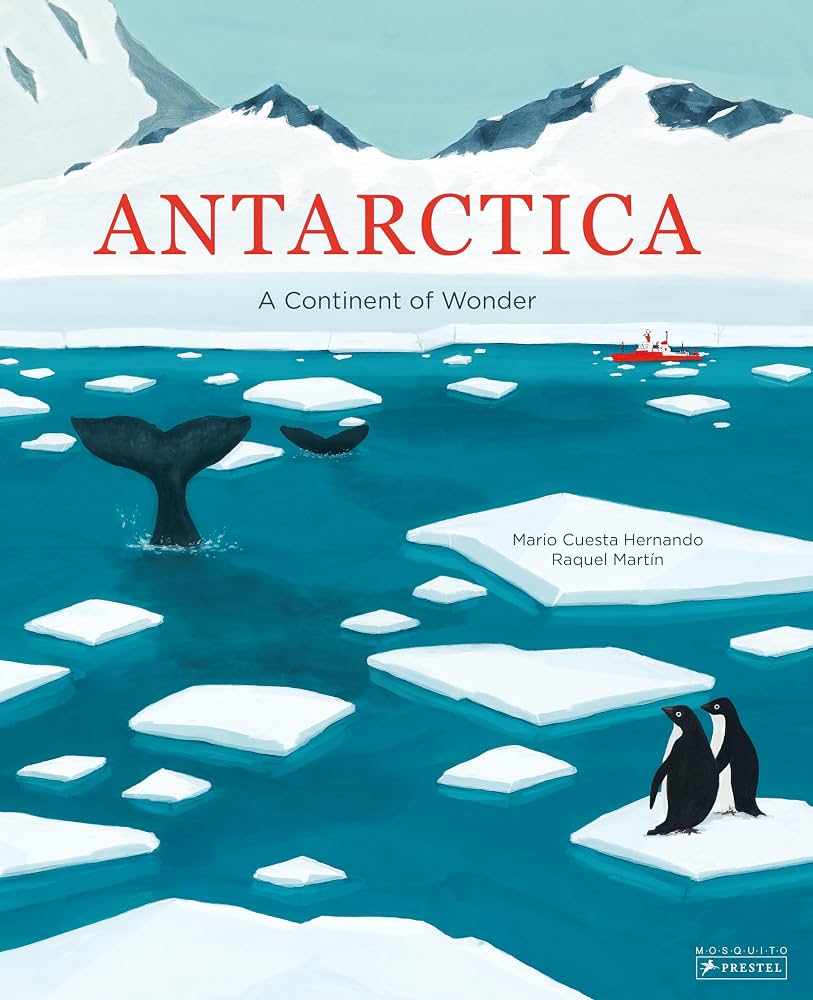
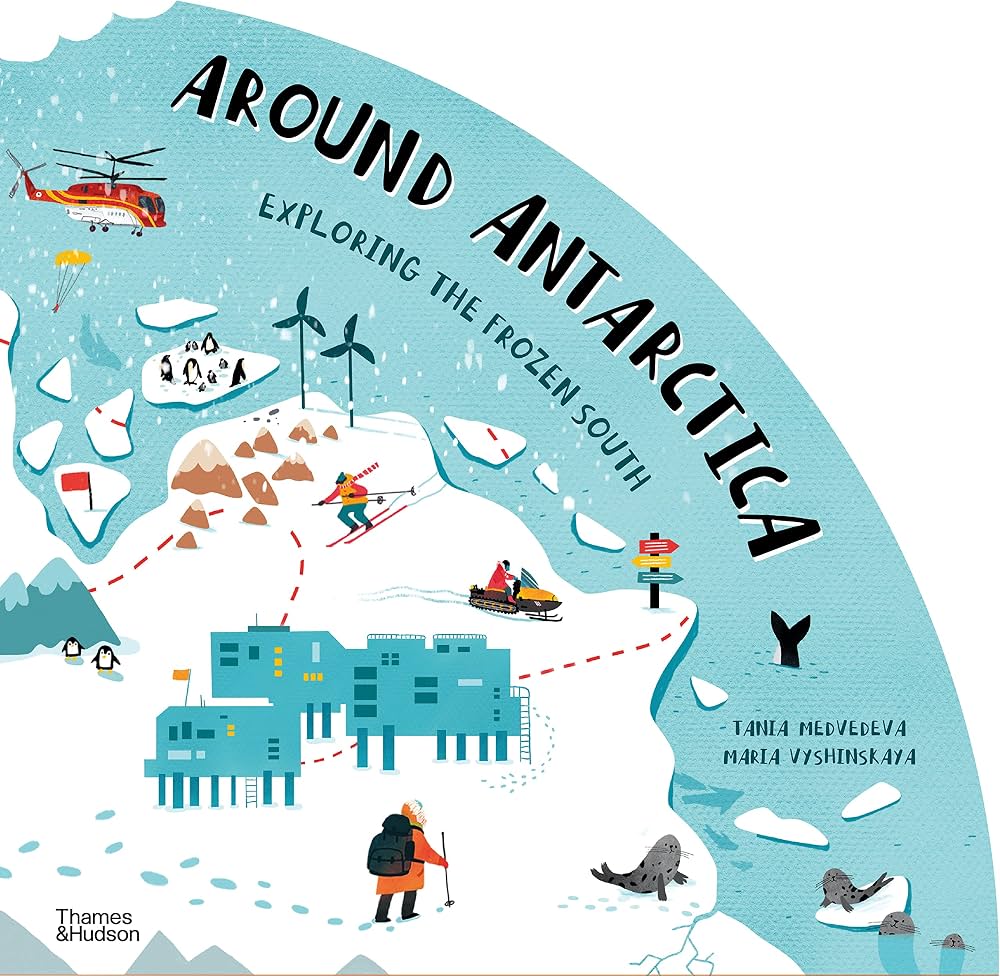
Picture Books
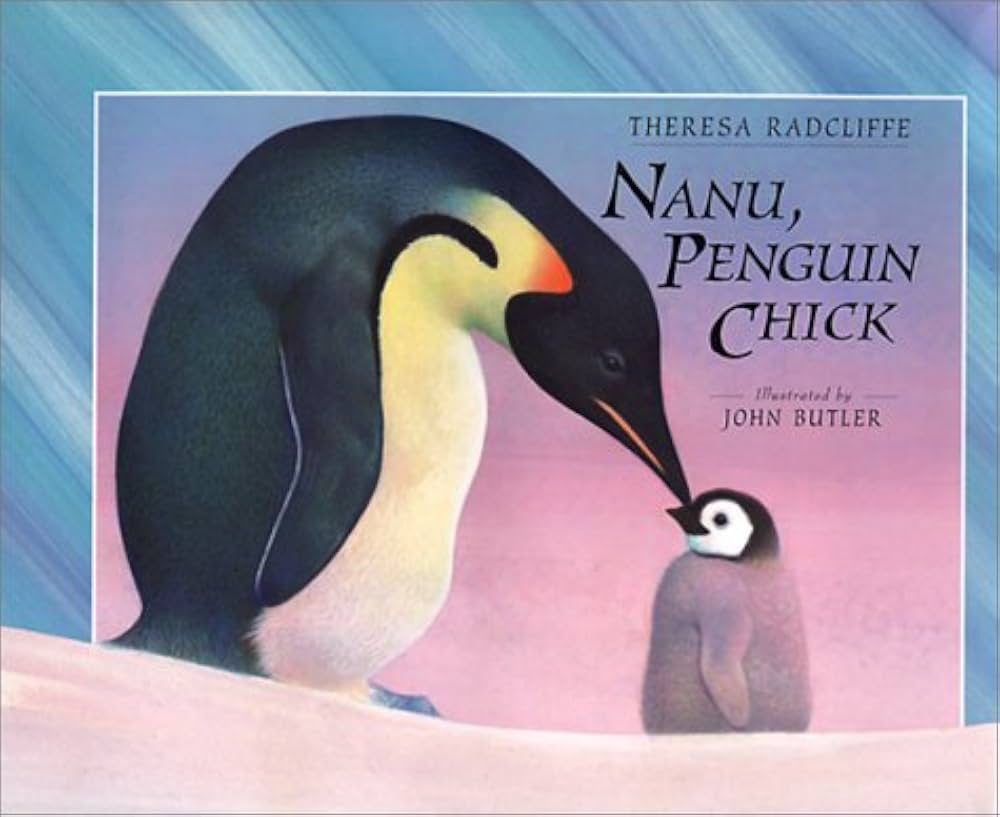
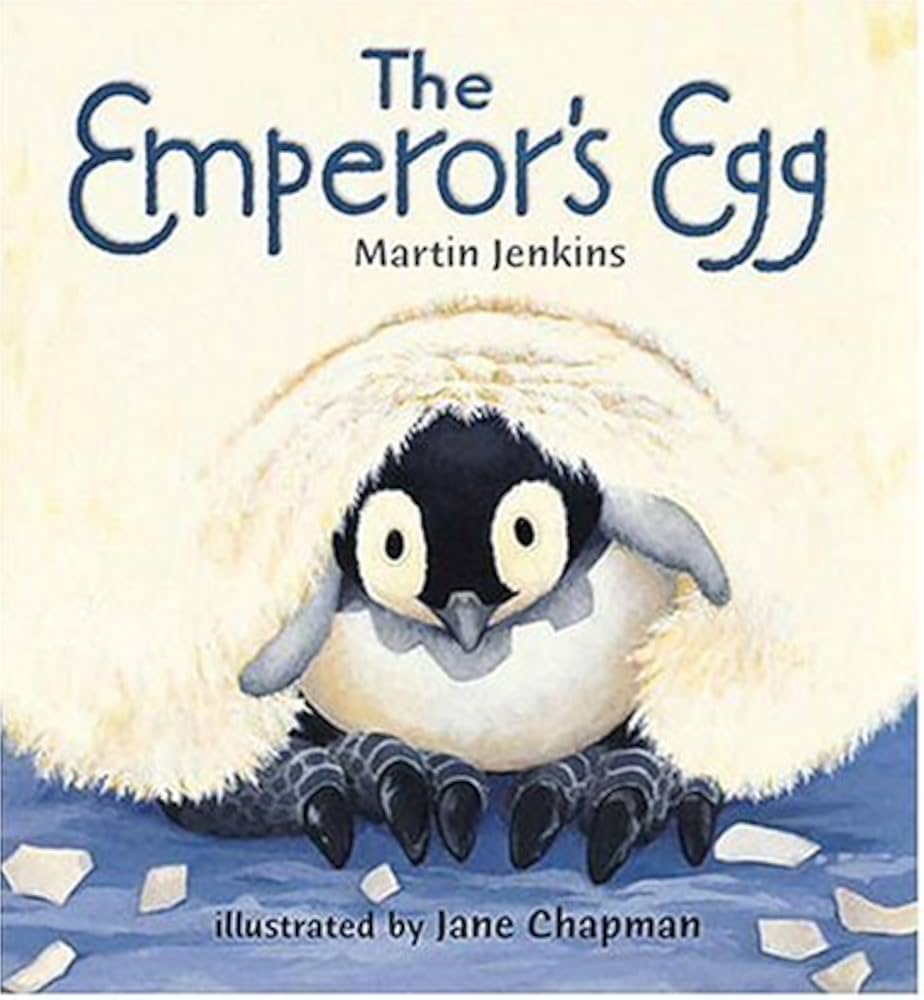
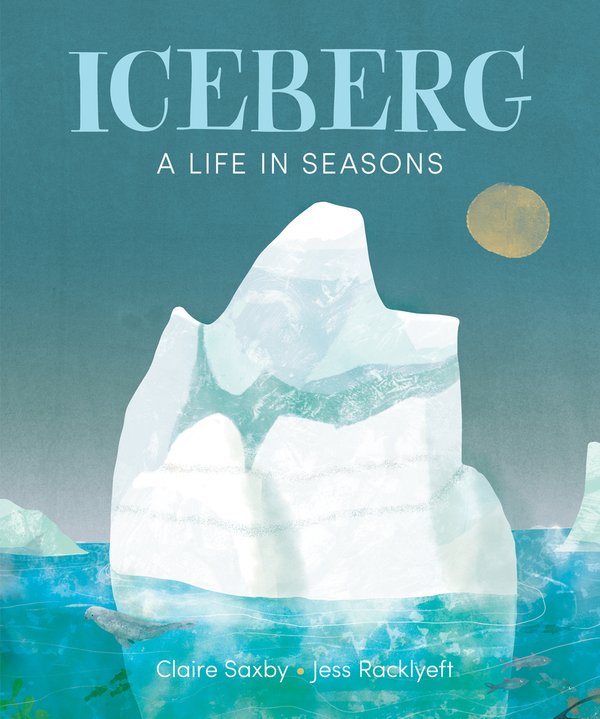
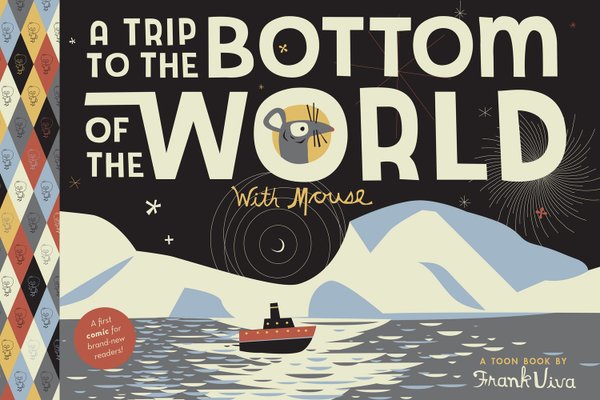
Recommended for grades K–4 and family read-alouds. Short, illustrated books suited to independent or shared reading; some explore subjects that older students can study more deeply.
Middle Grade
Middle Grade / Teen Crossover
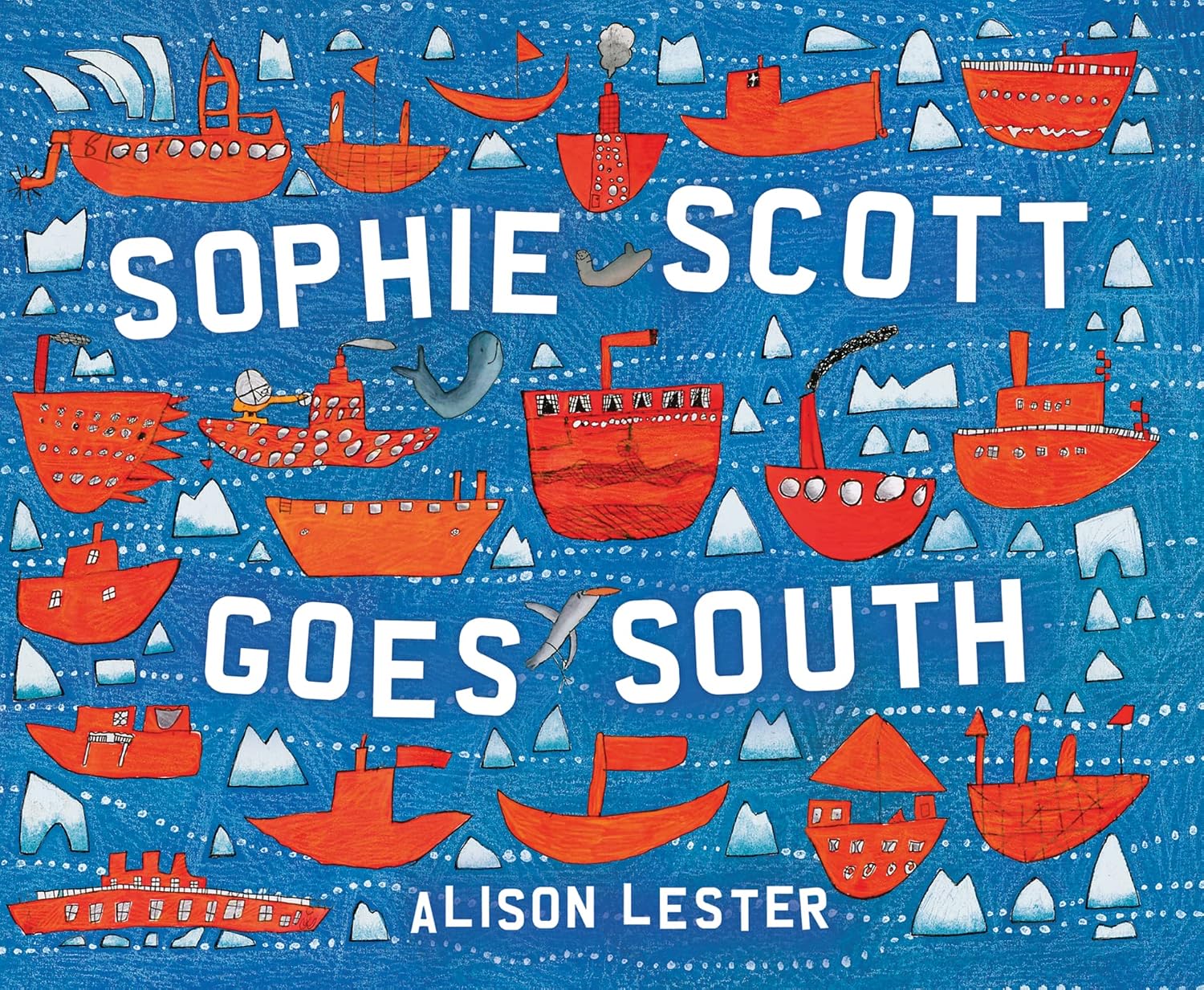
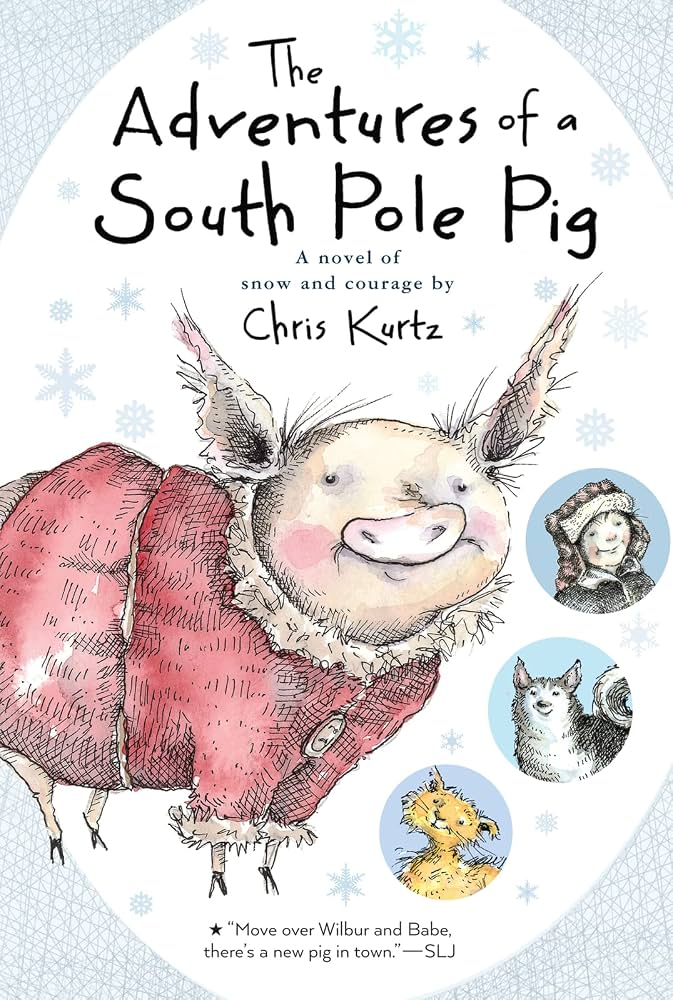
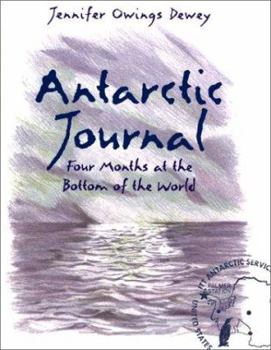
Recommended for grades 6–9. Books that appeal across the middle-grade and early-teen years because of their subject matter, themes, or reading level.
Grade 9 / Advanced
Recommended for grades 8–9 and up. More demanding in length, language, structure, subject matter, or required background knowledge.
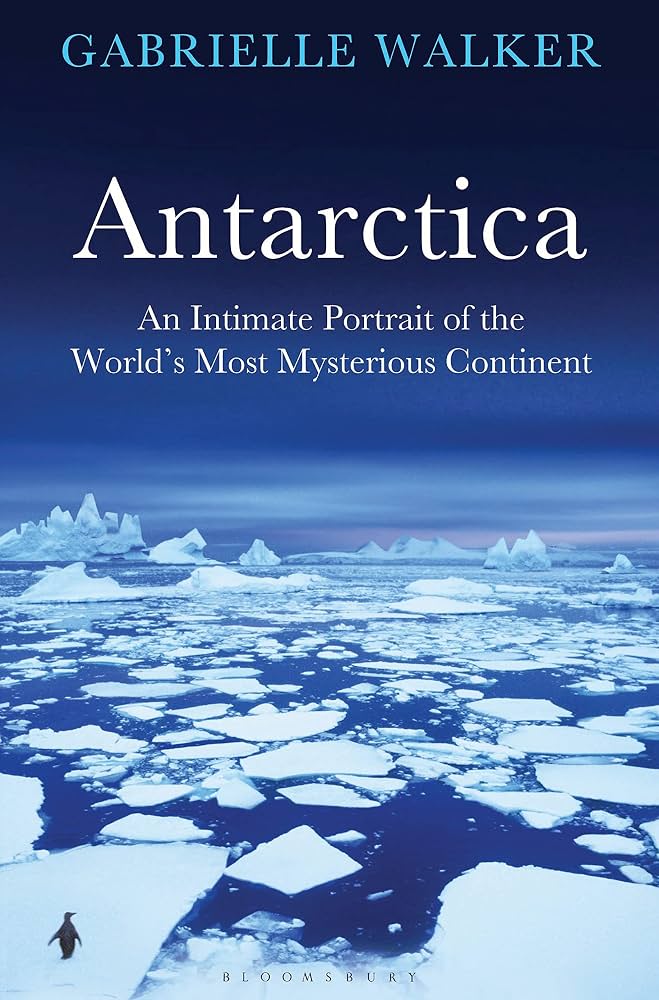
Reference Books
A note for parents
Grade recommendations are based on reading level, complexity, and intended audience. Because every student and family is different, please review the book descriptions and content notes, and preview titles as needed, to determine whether each selection is a good fit for your student and your family's values. Content notes identify potentially sensitive material but may not cover every concern.