Atlases & Maps
Our favorite atlases and geography books — a great companion for the whole curriculum.
World Atlases & Country References
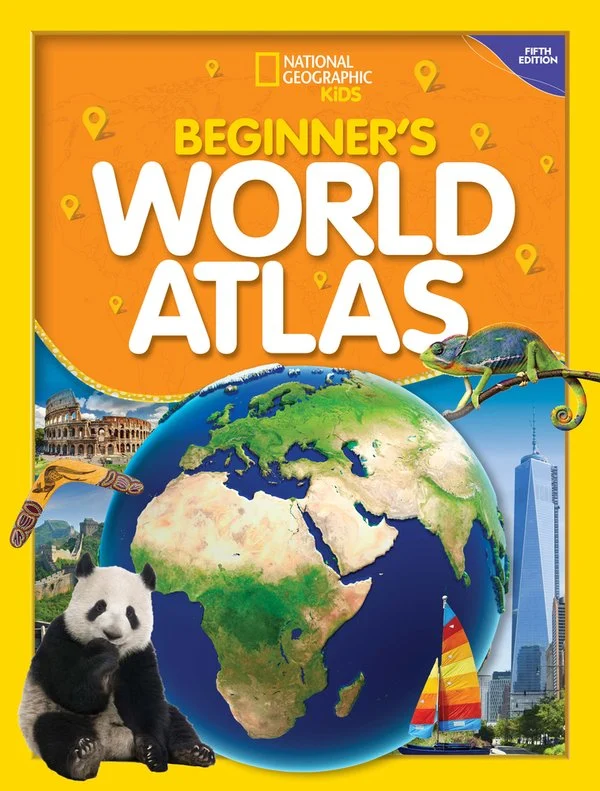
National Geographic Kids Beginner's World Atlas
A first atlas for younger children with simple maps, photographs, animals, landmarks, continents, oceans, and introductory country information.
Grades K–3 Find it →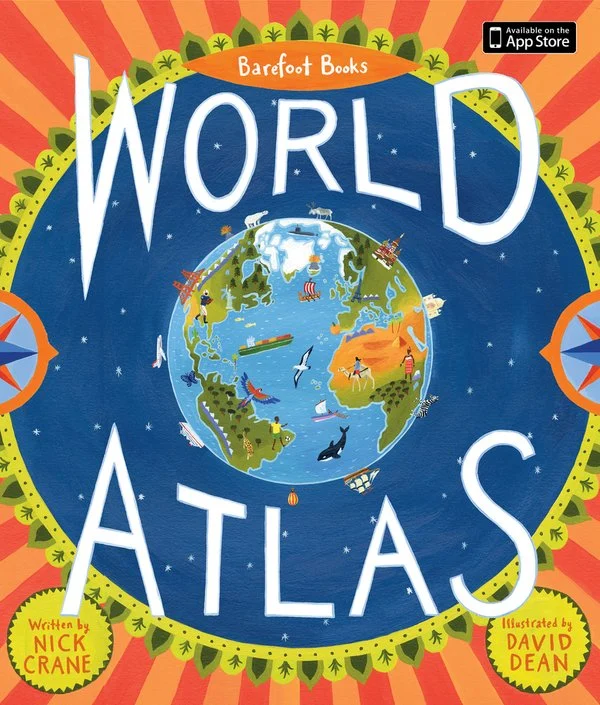
Barefoot Books World Atlas
Illustrated maps filled with people, animals, landmarks, foods, and traditions. Particularly good for children who enjoy exploring maps visually.
Grades 2–6 Find it →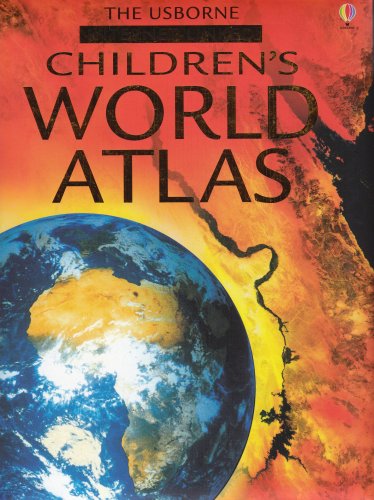
Usborne Children's World Atlas
Illustrated maps and accessible information about countries, landscapes, climates, wildlife, people, and places around the world.
Grades 2–6 Find it →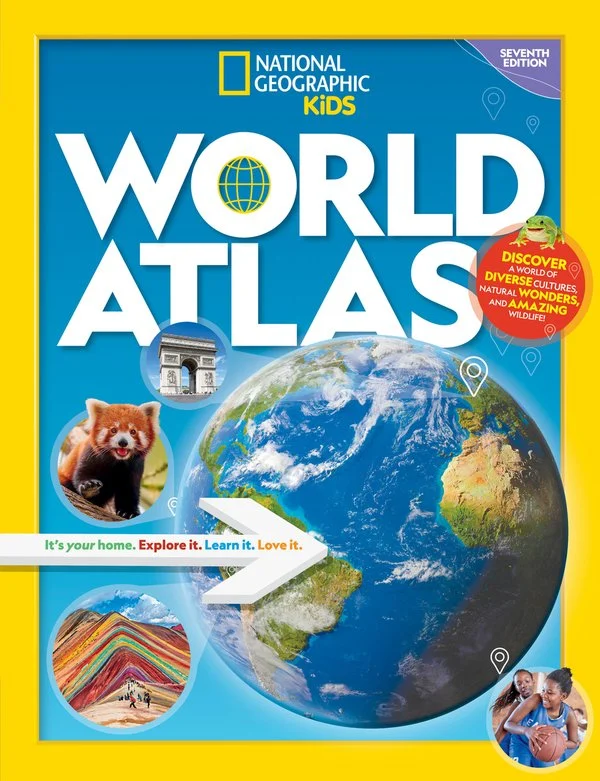
National Geographic Kids World Atlas
Colorful maps, country facts, flags, landmarks, wildlife, populations, and photographs. A strong general-purpose atlas for elementary and middle-grade students.
Grades 3–8 Find it →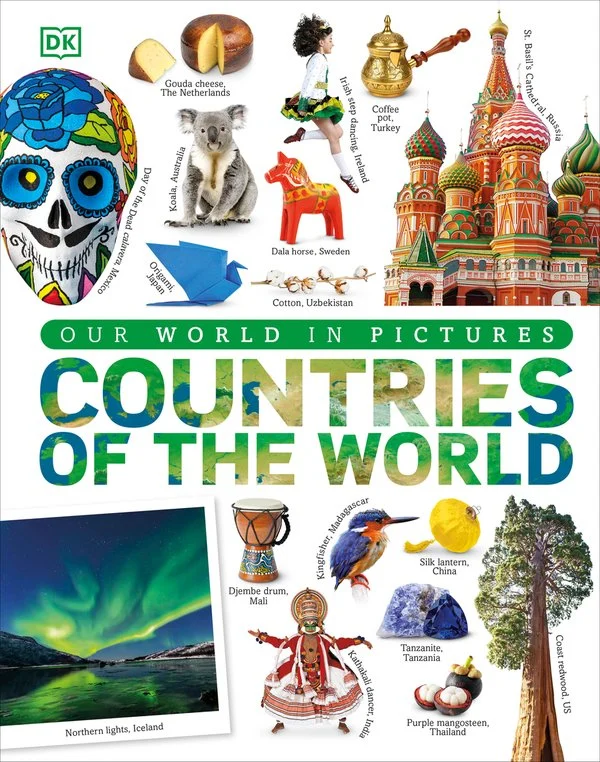
DK Countries of the World
Country-by-country profiles covering geography, people, culture, history, landmarks, wildlife, flags, and key facts.
Grades 3–8 Find it →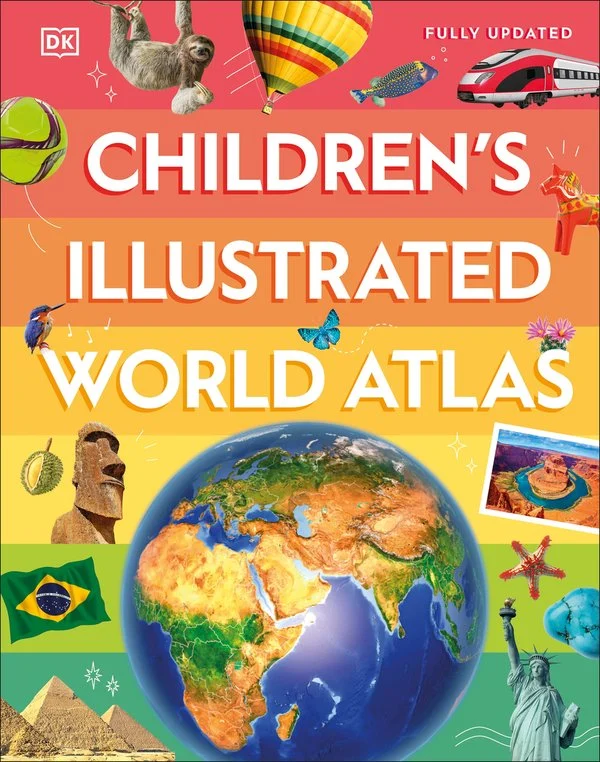
Children's Illustrated World Atlas
Detailed maps paired with country facts, flags, statistics, history, culture, wildlife, and landmarks. Especially good for upper elementary and middle school.
Grades 3–7 Find it →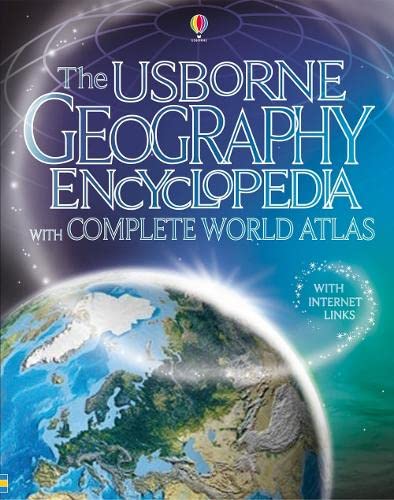
The Usborne Geography Encyclopedia with Complete World Atlas
Combines an atlas with a geography encyclopedia, covering climate, ecosystems, population, physical geography, and how people interact with the Earth.
Grades 4–9 Find it →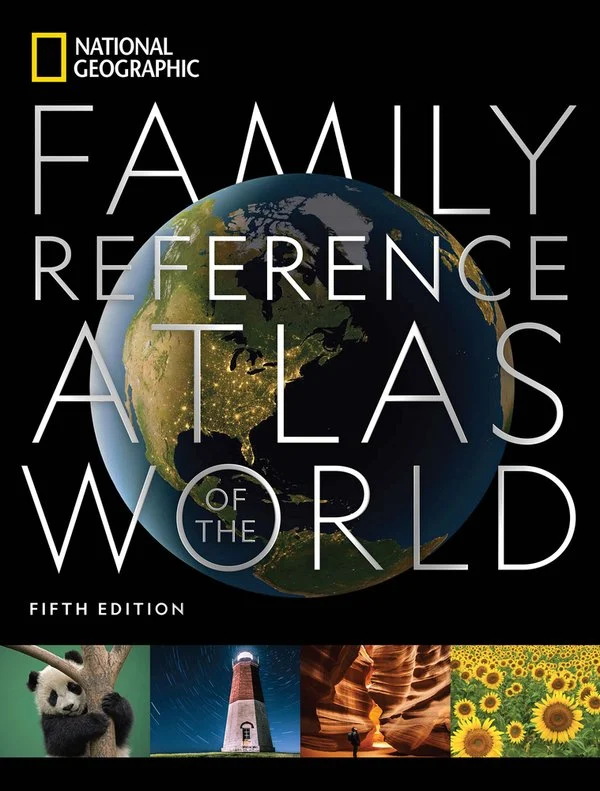
National Geographic Family Reference Atlas of the World
A detailed family reference atlas with physical and political maps, country information, geographic features, and thematic maps. Best for older students and families.
Grades 6–12 & family reference Find it →Geography Encyclopedias
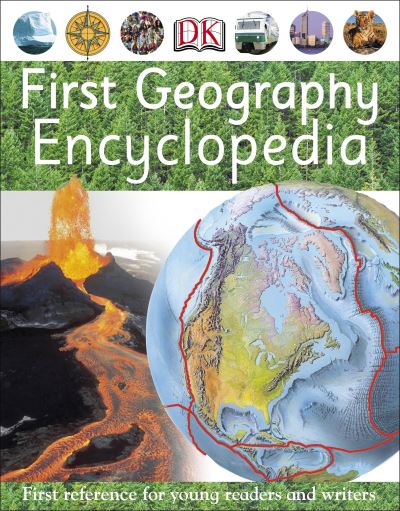
First Geography Encyclopedia
An introduction to maps, continents, countries, weather, landscapes, oceans, and populations for younger elementary students.
Grades 2–6 Find it →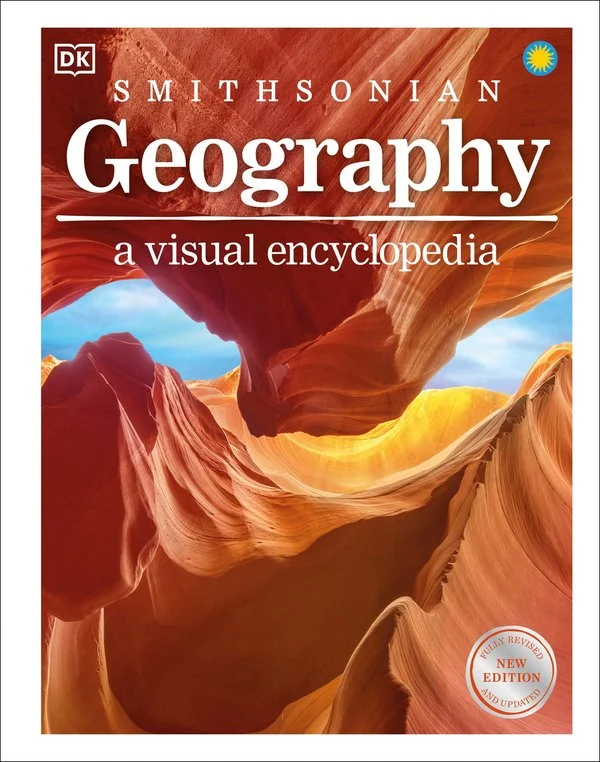
Geography: A Visual Encyclopedia of Planet Earth
Explores physical and human geography — mountains, rivers, earthquakes, climate, ecosystems, settlements, populations, countries, and environmental change.
Grades 4–9 Find it →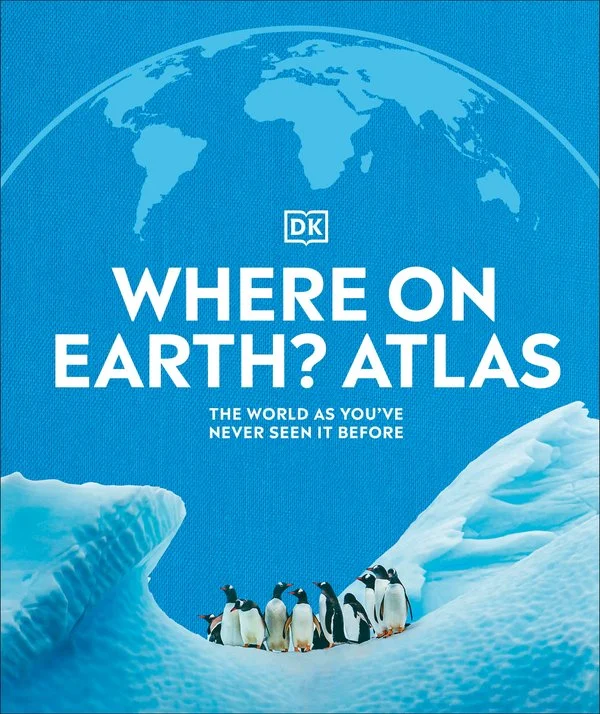
Where on Earth? Atlas
Uses highly visual 3D maps to answer interesting geographic questions about people, nature, history, weather, wildlife, resources, and unusual places.
Grades 4–9 Find it →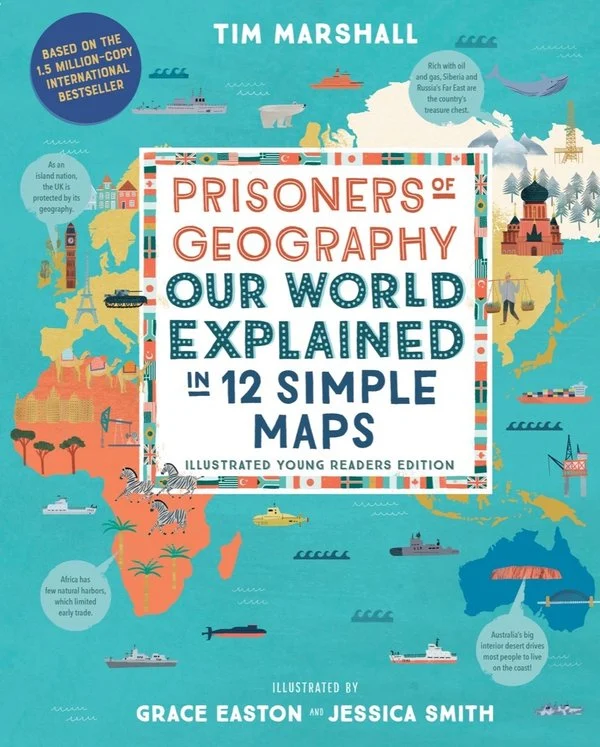
Prisoners of Geography: Our World Explained in 12 Simple Maps
Uses maps to show older children how mountains, rivers, oceans, climate, borders, and natural resources have influenced countries, history, and world events.
Grades 5–9 Find it →Maps & Map Skills
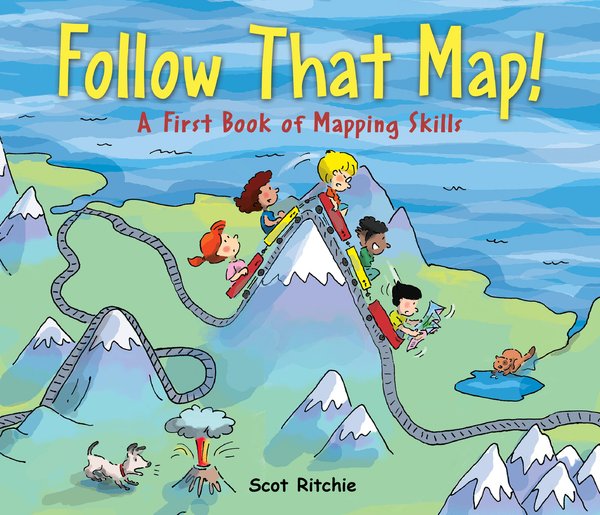
Follow That Map! A First Book of Mapping Skills
An interactive introduction to reading and making maps, following a group of children on a search through their neighborhood and beyond. Introduces compass directions, map keys and symbols, scale, routes, grids, and different kinds of maps, with an activity for making a map at home.
Grades K–3 Find it →%20%2C%20%20%20Harriet%20Barton%20%20%20.jpg)
Maps and Globes
A classic introduction to how maps and globes represent the Earth, including continents, oceans, directions, distance, scale, latitude and longitude, and different types of maps. More informational than picture books and a good next step for children ready to understand how world maps actually work.
Grades 2–5 Find it →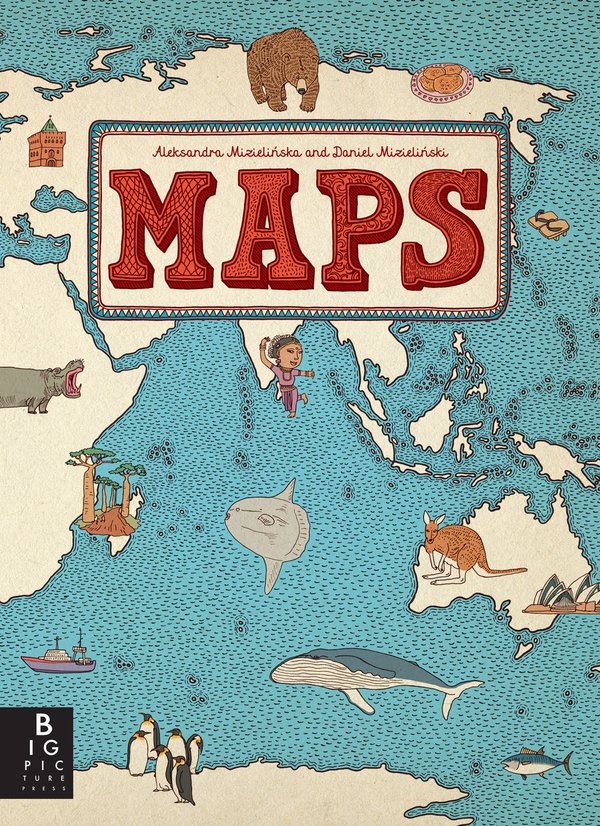
Maps
Huge illustrated maps packed with cities, landmarks, animals, foods, plants, famous people, and cultural details from countries around the world.
Grades 2–7 Find it →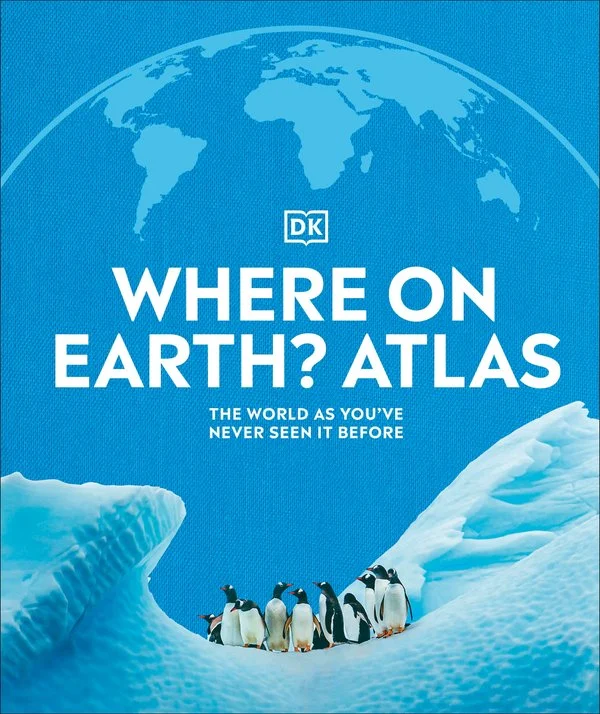
What's Where on Earth? Atlas
Visual maps introduce physical geography, population, climate, wildlife, resources, and other ways information can be represented geographically.
Grades 3–7 Find it →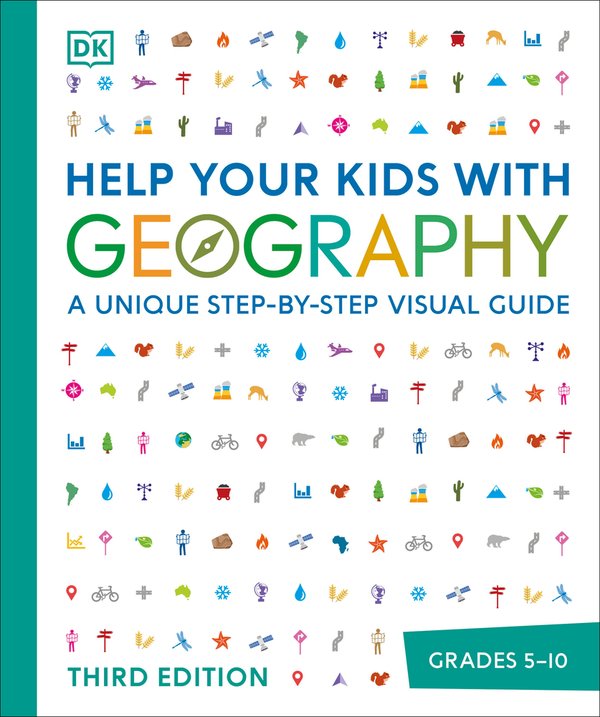
Help Your Kids with Geography, Grades 5–10
A visual guide to geography skills and concepts, including latitude and longitude, map reading, topography, fieldwork, physical and human geography, climate, population, and interpreting geographic data. Clear diagrams and step-by-step explanations make it useful for independent students and parents teaching geography at home.
Grades 5–10 Find it →Unusual & Fun Geography
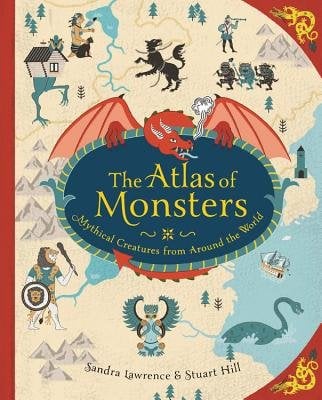
The Atlas of Monsters: Mythical Creatures from Around the World
An illustrated journey through monsters and legendary creatures associated with different places and cultural traditions around the world.
Grades 3–7 Find it →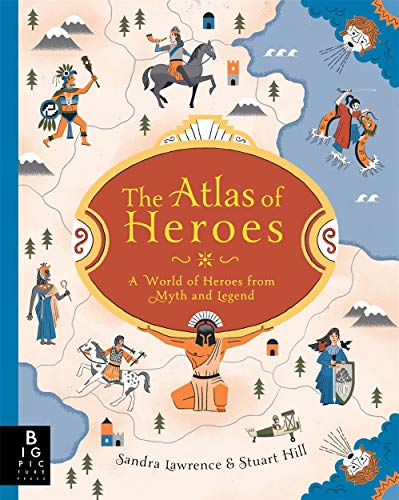
The Atlas of Heroes: A World of Heroes, Heroines and Legendary Characters
Introduces legendary heroes and heroines from cultures around the world, combining maps with mythology, folklore, and traditional stories.
Grades 3–7 Find it →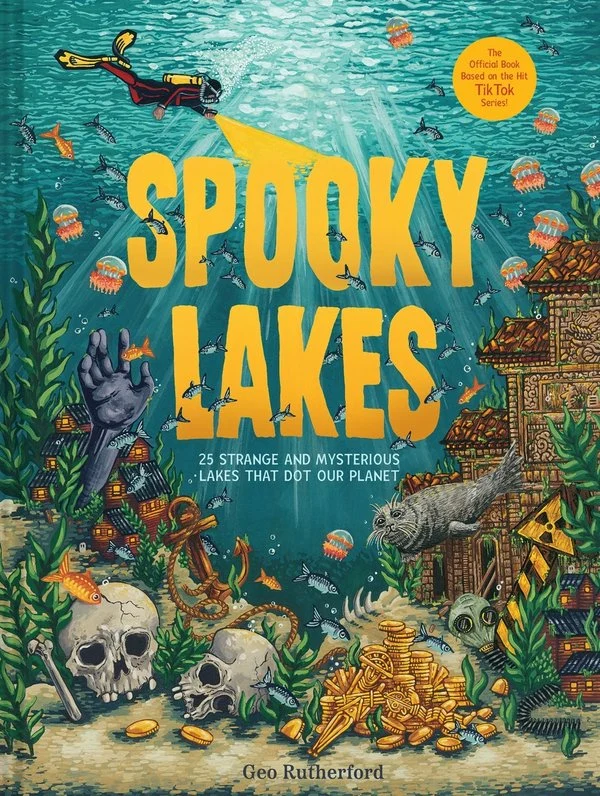
Spooky Lakes: 25 Strange and Mysterious Lakes That Dot Our Planet
Explores 25 strange lakes and bodies of water — their geology, hydrology, history, wildlife, and unusual natural phenomena, from Tanzania and Palau to Antarctica and Russia.
Grades 4–9 Find it →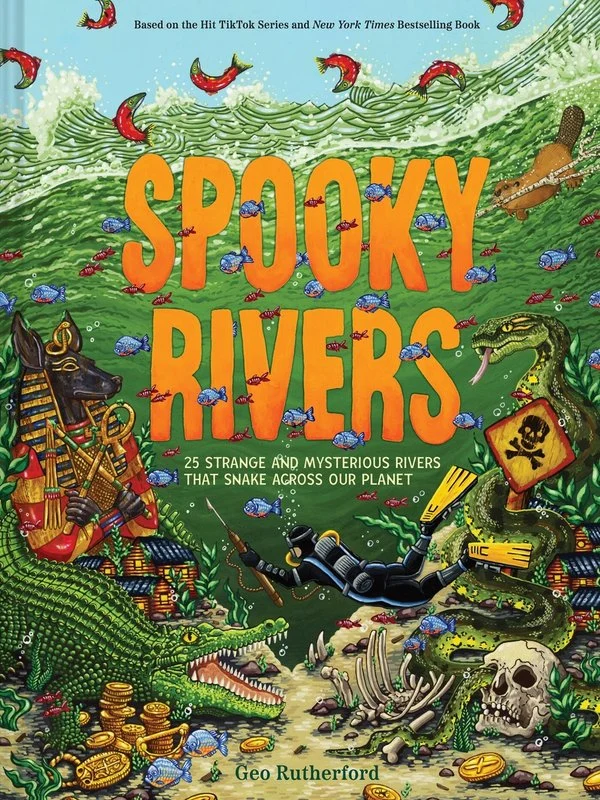
Spooky Rivers: 25 Strange and Mysterious Rivers That Snake Across Our Planet
Explores 25 strange and mysterious rivers from around the world — their geology, hydrology, history, wildlife, and unusual natural phenomena, from underground rivers to glowing currents.
Grades 4–9 Find it →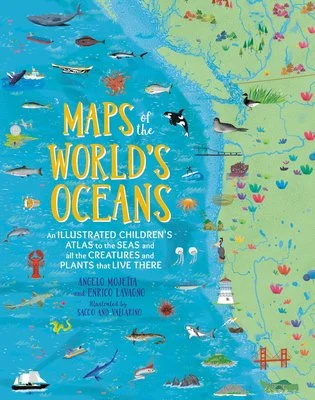
Maps of the World's Oceans
An illustrated atlas of every ocean and the world's major seas, with marine habitats, plants, animals, underwater geography, and the world below sea level.
Grades 4–9 Find it →Children & Everyday Life Around the World
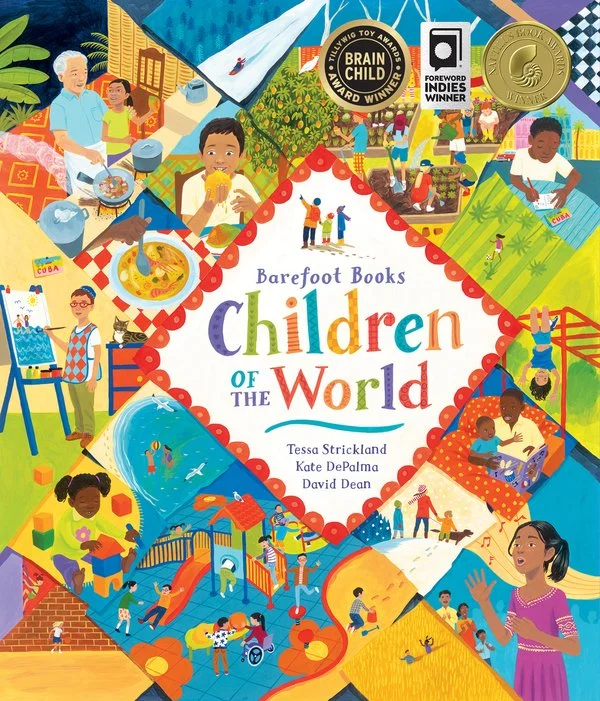
Children of the World
Introduces similarities and differences in children's lives around the world — families, homes, food, clothing, languages, celebrations, school, and play.
Grades K–5 Find it →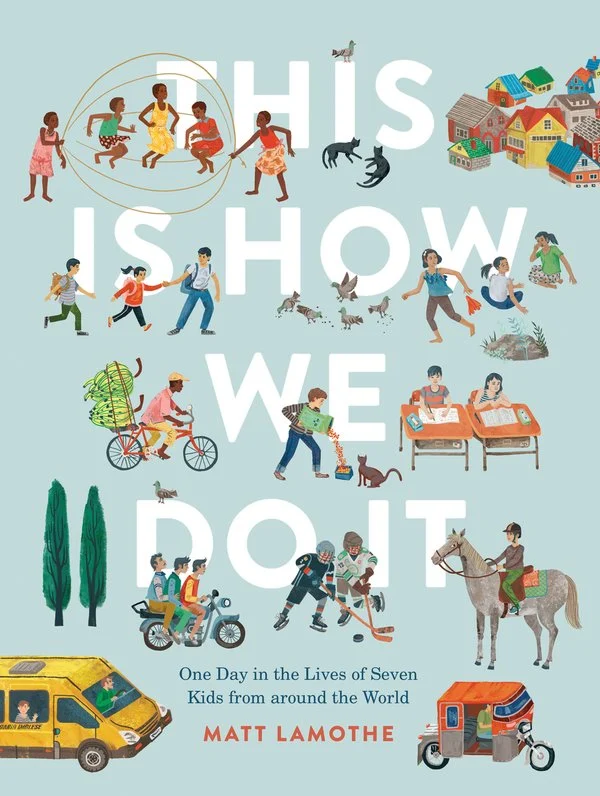
This Is How We Do It: One Day in the Lives of Seven Kids from Around the World
Follows real children from Italy, Japan, Iran, India, Peru, Uganda, and Russia through an ordinary day, comparing homes, families, schools, meals, and routines.
Grades K–3 Find it →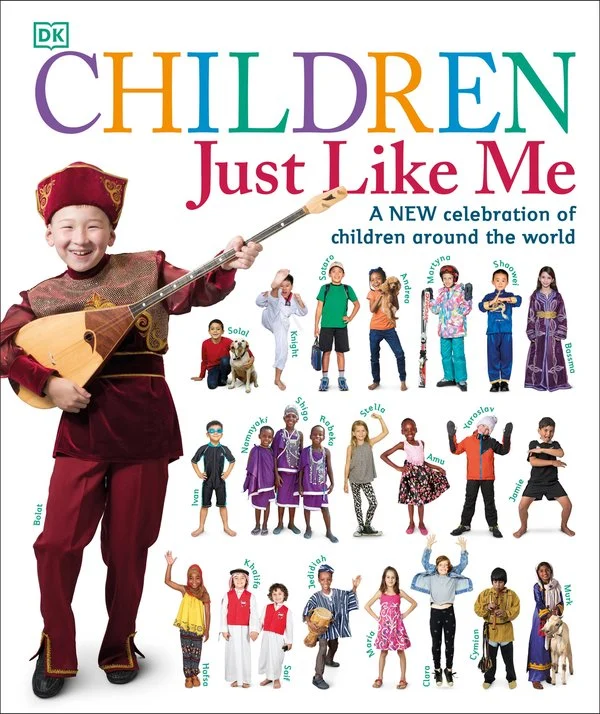
Children Just Like Me
Profiles children from different countries through photographs and first-person information about their families, homes, schools, foods, hobbies, religions, and everyday lives.
Grades 2–6 Find it →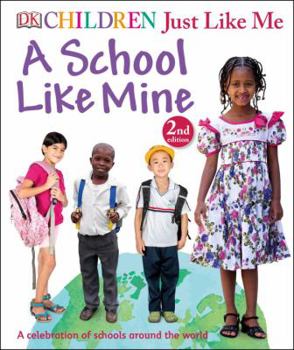
A School Like Mine
Visits schools and students around the world to show how education, classrooms, school days, and children's experiences differ from place to place.
Grades 2–6 Find it →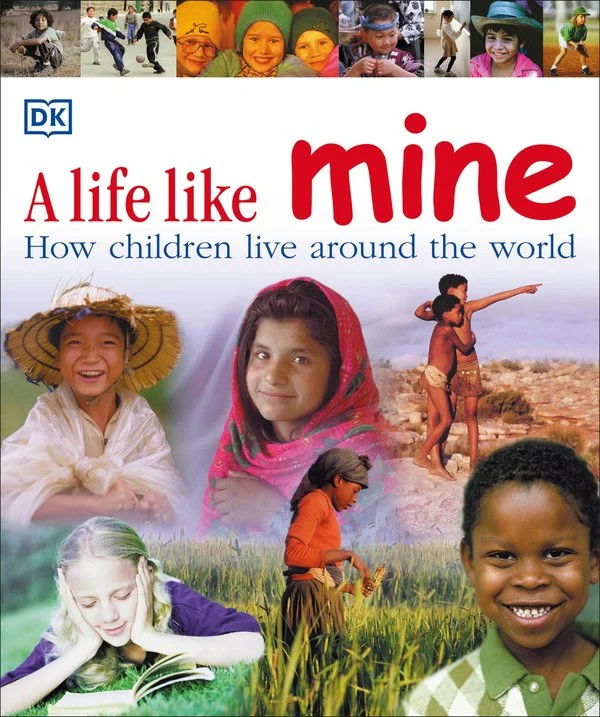
A Life Like Mine: How Children Live Around the World
Looks at children's lives through topics such as family, health, education, food, water, shelter, safety, and children's rights.
Grades 3–7 Find it →Religions, Holidays & Traditions
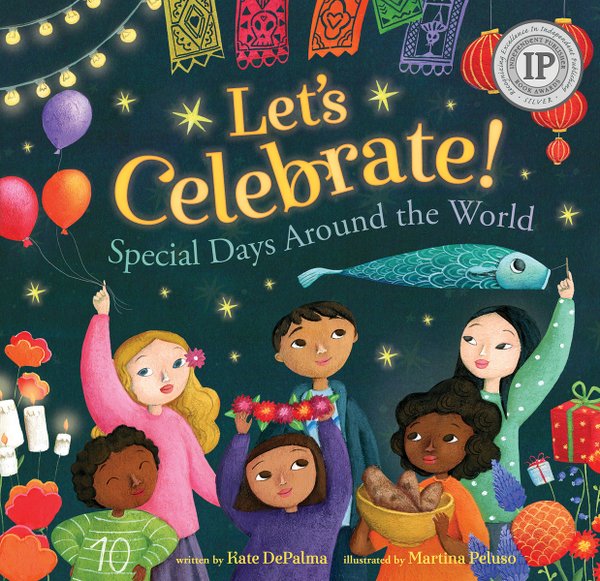
Let's Celebrate! Special Days Around the World
Explores festivals and holidays celebrated by children and families around the world, including religious, cultural, and seasonal traditions through colorful illustrations and simple explanations.
Grades K–4 Find it →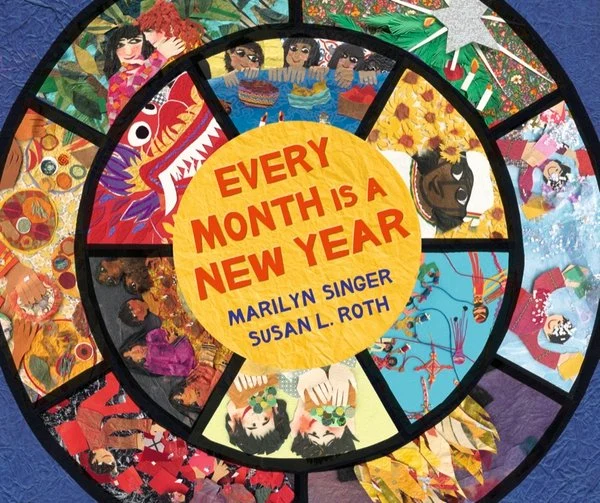
Every Month Is a New Year: Celebrations Around the World
Explores 16 New Year celebrations in more than 14 countries and cultures — Iran, Thailand, Ethiopia, China, Scotland, Spain, Ecuador, and more — through poetry and illustrations.
Grades 1–5 Find it →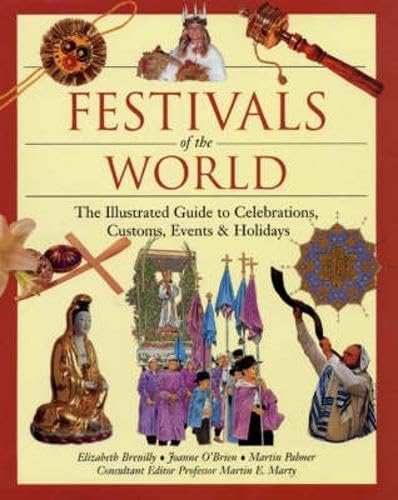
Festivals of the World: The Illustrated Guide to Celebrations, Customs, Events and Holidays
Introduces celebrations, holidays, festivals, customs, and special events from cultures around the world.
Grades 3–8 Find it →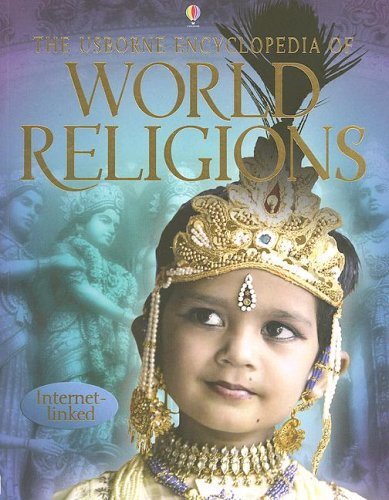
The Usborne Encyclopedia of World Religions
An illustrated introduction to major world religions, including beliefs, sacred texts, places of worship, religious practices, festivals, and traditions.
Grades 4–9 Find it →Food Around the World
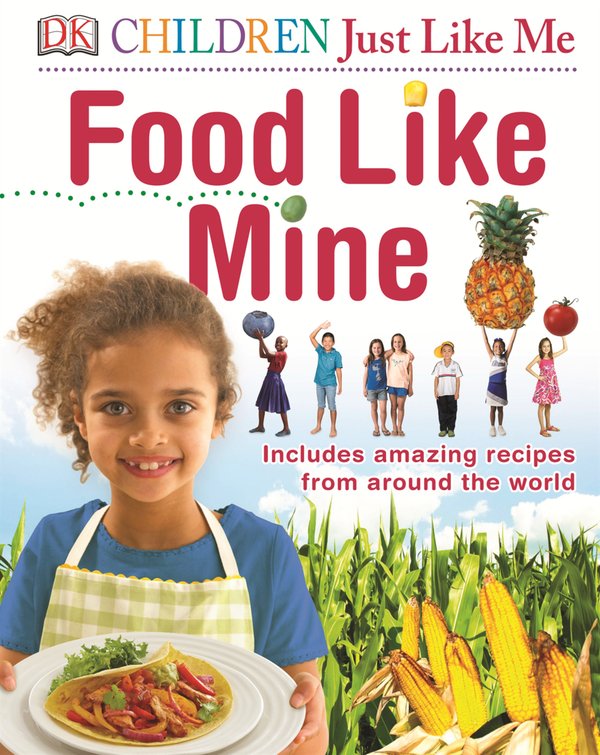
Food Like Mine
Introduces everyday foods and meals from around the world through the lives of children, with recipes and information about staple foods like rice, wheat, corn, and potatoes. Includes countries such as Botswana, India, Sweden, and Mexico. Best for grades 2–6.
Grades 2–6 Find it →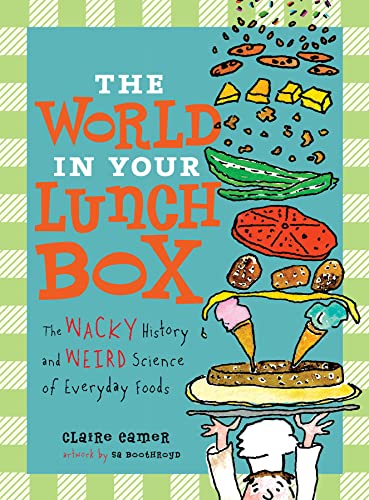
The World in Your Lunch Box: The Wacky History and Weird Science of Everyday Foods
Uses familiar foods to explore where ingredients originated, how foods traveled between cultures, and the surprising history and science behind what we eat.
Grades 3–7 Find it →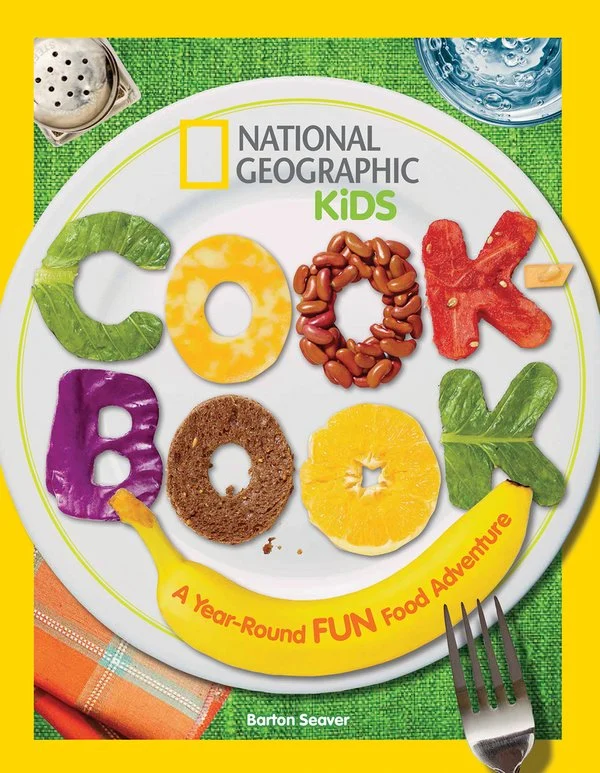
National Geographic Kids Cookbook: A Year-Round Fun Food Adventure
Combines recipes and hands-on food activities with information about ingredients, traditions, seasons, and cultures.
Grades 3–7 Find it →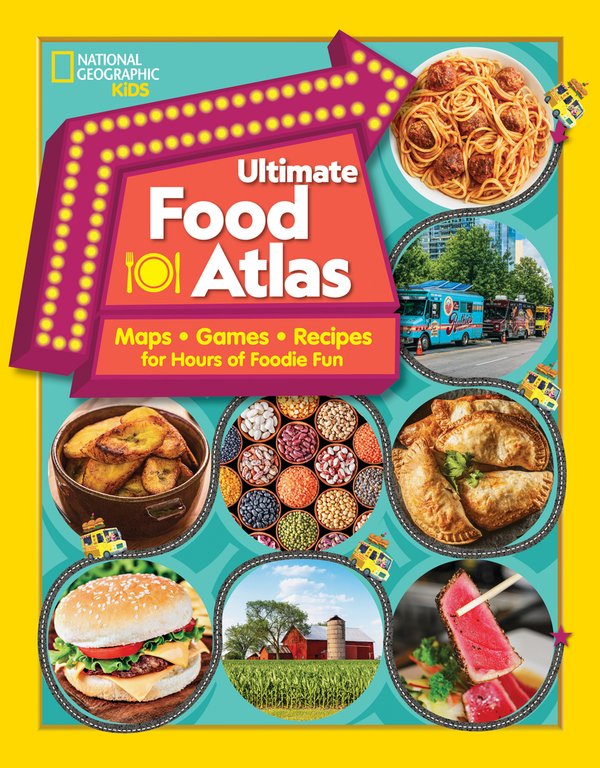
National Geographic Kids Ultimate Food Atlas
Explores what people grow and eat around the world through maps, photographs, food facts, recipes, and activities. Connects food with geography, agriculture, culture, and the environment. Best for grades 3–7.
Grades 3–7 Find it →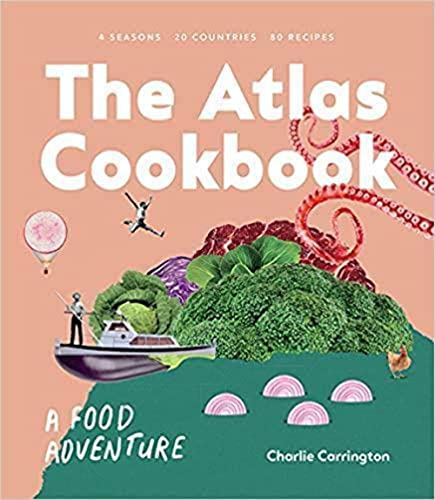
The Atlas Cookbook: A Food Adventure
80 recipes inspired by 20 countries, including Argentina, Brazil, Cambodia, China, Colombia, Greece, Iraq, Lebanon, Peru, Thailand, and Vietnam. More appropriate for older students and families.
Grades 6–12 & families Find it →Animals, Habitats & the Natural World
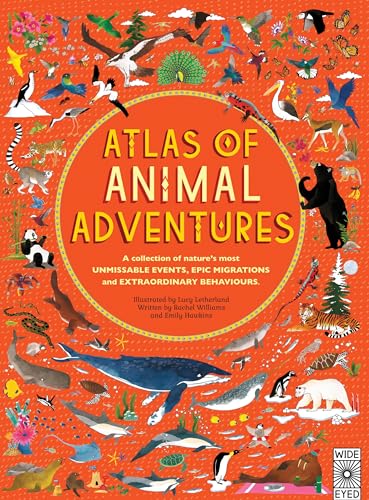
Atlas of Animal Adventures
Illustrated maps featuring remarkable animal behaviors, migrations, and natural events around the world, with wildlife from places including Kenya, Iceland, India, Zambia, Canada, and New Guinea. Best for grades K–6.
Grades K–6 Find it →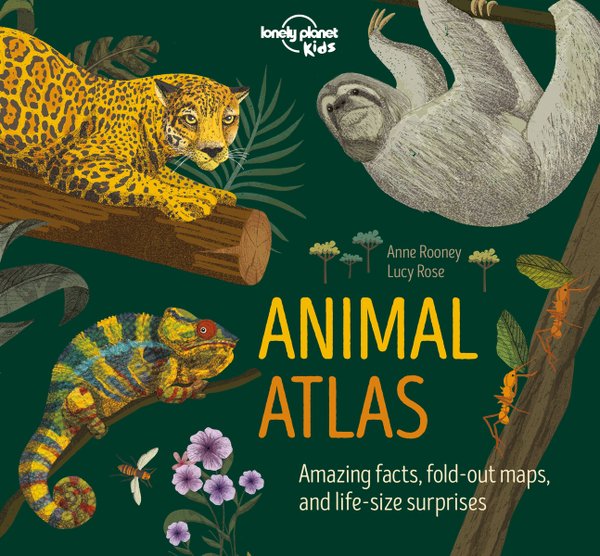
Lonely Planet Kids Animal Atlas
Fold-out maps and lift-the-flaps introduce animals and habitats from every continent, with wildlife facts, photographs, and information about where different species live. Best for grades K–5.
Grades K–5 Find it →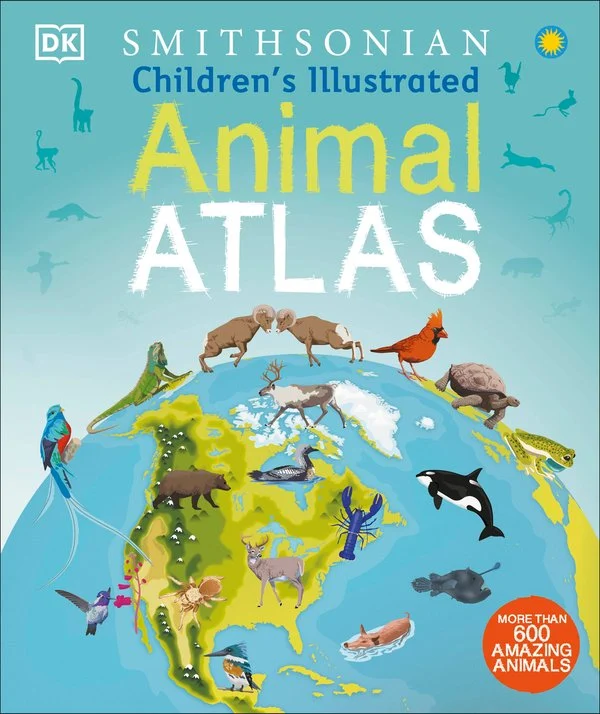
Children's Illustrated Animal Atlas
Maps animals around the world and introduces their habitats, ranges, ecosystems, adaptations, and geographic environments.
Grades 2–7 Find it →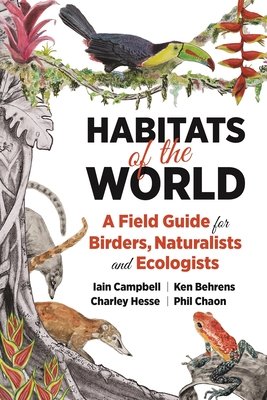
Habitats of the World
Explores rainforests, deserts, grasslands, mountains, wetlands, oceans, and polar regions, with the plants, animals, landscapes, and climate that make each ecosystem unique. Best for grades 2–7.
Grades 2–7 Find it →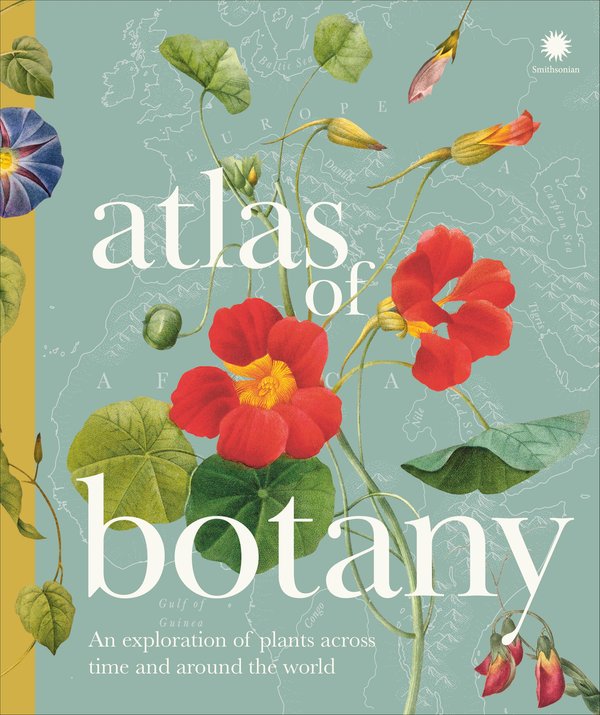
Atlas of Botany
Explores the world of plants through maps, illustrations, and photography, showing how plants grow, spread, and adapt to different climates and environments around the globe. Covers forests, deserts, grasslands, pollination, plant diversity, and the connections between plants, people, and ecosystems. Best for grades 7–12 and family reference.
Grades 7–12 & family reference Find it →