Australia
Oceania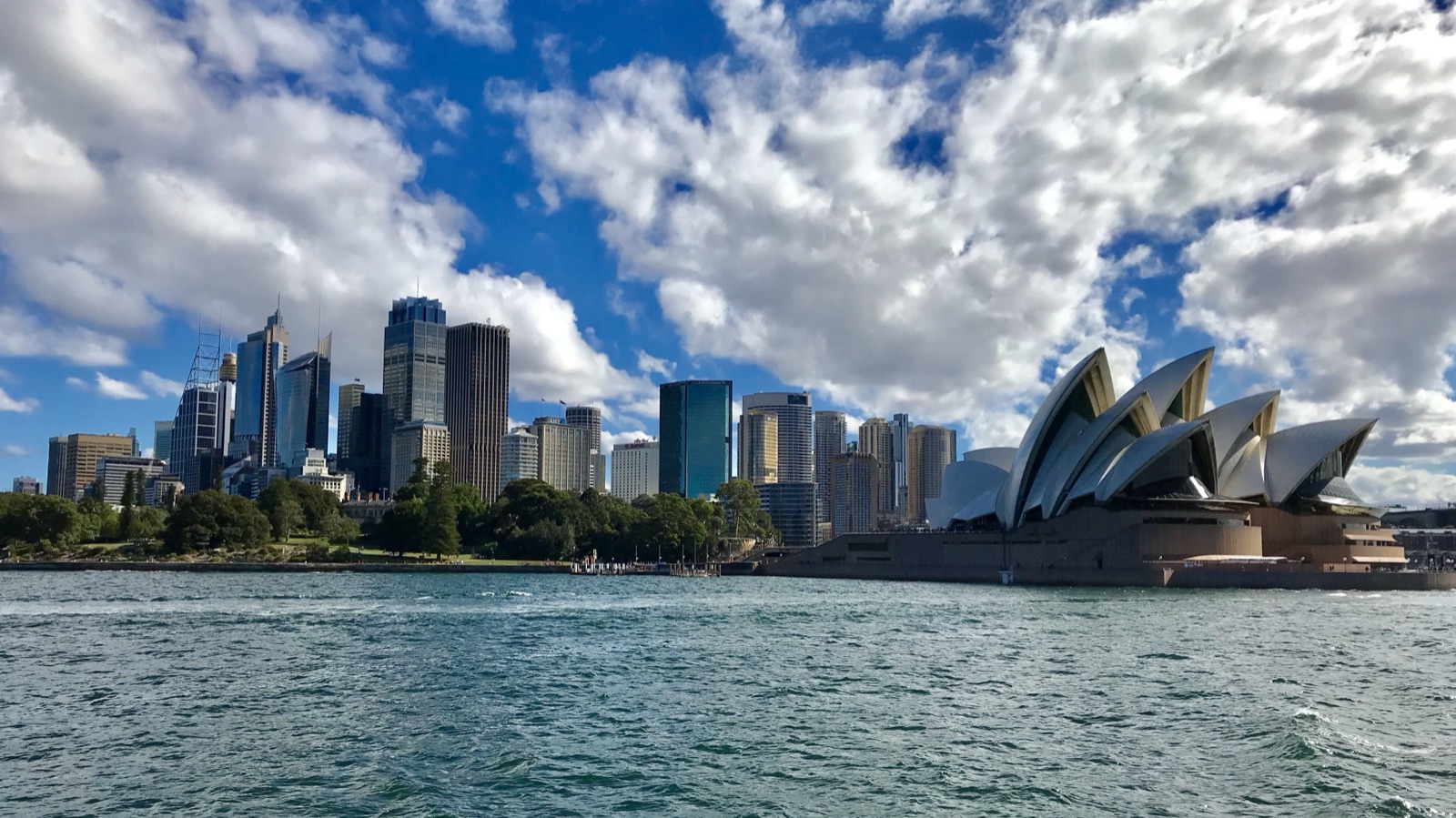
Australia stretches across several climate zones, from tropical rainforests in the north to vast drylands in the interior, snowy mountains in the southeast, and the cooler island of Tasmania. A trip across the country can pass through coral coasts, red desert, alpine highlands, and cool southern forests.
The Great Dividing Range is a long system of mountains and highlands along eastern Australia. Moist air from the Pacific rises over the highlands and drops more rain on the eastern side, while much of the land farther inland is drier. That wetter edge helped farms, towns, and many of Australia's largest cities grow along the east and southeast.
Much of Australia's dry interior sits above an enormous hidden supply of water. In the Great Artesian Basin, rainwater that seeped underground long ago is trapped in layers of porous rock beneath eastern and central Australia. Wells and natural springs tap this water, helping support communities and livestock far from regularly flowing rivers.
The Great Barrier Reef is the largest coral reef system in the world, stretching more than 2,300 kilometers (1,400 miles) along northeastern Australia—and parts of it can be seen from space! It contains thousands of reefs and islands filled with marine life. Worryingly, rising ocean temperatures are damaging coral and causing some parts of the reef to die, but scientists, Aboriginal and Torres Strait Islander communities, and reef managers are working to protect and restore it.
- About 80% of Australia's mammals, reptiles, and frogs are found nowhere else on Earth! Australia's long isolation gave many animals millions of years to evolve in unusual ways. The egg-laying platypus feeds its babies milk that seeps through its skin, while the thorny devil—a small desert lizard—can collect rain, dew, or moisture from damp sand in tiny grooves between its scales, which channel the water across its body to its mouth.
- In the middle of Australia's desert, a huge lake can appear almost out of nowhere. Kati Thanda–Lake Eyre is usually a dry, salt-covered basin, but rare floods can send water rushing in from rivers hundreds of kilometers away. The desert temporarily becomes a vast shallow lake filled with waterbirds, then slowly disappears again as the water evaporates.
Long before Australia was divided into modern states and territories, hundreds of Indigenous Nations had their own homelands across the continent. Aboriginal peoples are the First Peoples of mainland Australia and Tasmania, while Torres Strait Islander peoples come from the islands between northern Australia and Papua New Guinea. Within those broad groups are hundreds of communities with their own languages, laws, traditions, and ancestral homelands.
Many Aboriginal and Torres Strait Islander peoples refer to their ancestral homeland as "Country." The idea includes not only the land and water, but people's relationships with ancestors, stories, laws, and responsibilities to care for that place. For the Wurundjeri people around Melbourne, for example, Birrarung—the river often called the Yarra in English—is connected with food, travel, gathering, story, and responsibility.
Britain began colonizing Australia in 1788 by sending the First Fleet to establish a penal colony at Sydney Cove. Many convicts were poor people sentenced for crimes such as stealing food or clothing, and transportation could mean years of forced labor on the other side of the world. Britain eventually sent more than 160,000 convicts to Australian colonies, where their labor helped build roads, farms, and settlements. As the colonies expanded, Aboriginal peoples were displaced from their lands and suffered violence and disease.
Australia's population hugs the coasts, while the vast dry interior is much more sparsely populated. Sydney, Melbourne, Brisbane, Perth, and Adelaide all grew into major coastal cities. After World War II, Australia actively encouraged large-scale immigration, first drawing many migrants from Europe and later increasingly from Asia and other parts of the world.
- Some Australian children started going to school by radio in 1951! Families living on remote cattle and sheep stations could be hundreds of kilometers from the nearest classroom, so the Alice Springs School of the Air broadcast lessons to children at home. Today, students in isolated areas use internet and video instead, but the idea is the same: bringing school to children across enormous distances.
- In some Aboriginal cultures, people use songs and stories to remember routes across Country, with different parts tied to waterholes, hills, landmarks, and culturally important places along the way. As they learn the songs, they also learn how places are connected across the landscape. These networks of song, story, place, and cultural knowledge are often called songlines.
In Western Australia, trains carrying iron ore can stretch more than 2.5 kilometers (1.5 miles) long! Iron ore is rock containing enough iron to be mined and processed into the metal used to make steel. Huge mines in the remote Pilbara load the ore onto trains that carry it hundreds of kilometers across the dry landscape to coastal ports.
For thousands of years, Aboriginal peoples lived across Australia's dry interior by using detailed knowledge of water, seasons, plants, animals, and fire. As British colonies expanded, settlers took control of more Indigenous land and tried to use it for European-style farming. Much of the interior was too dry for crops, so settlers increasingly raised sheep and cattle instead; because pasture and water were spread so widely, some ranches—called stations—became enormous. Anna Creek Station in South Australia is larger than some countries.
Australia's hot, dry weather can turn bushfires into enormous, fast-moving fires that threaten forests, wildlife, homes, and towns. But fire has also been deliberately used to care for Australian landscapes for thousands of years. Aboriginal peoples in many regions developed cultural burning, using carefully controlled fires at particular times and places to encourage plants, manage habitats, care for Country, and in some landscapes reduce the buildup of material that can fuel larger fires.
When Australia's six British colonies joined together to form one country in 1901, the new nation needed a capital—but Sydney and Melbourne were rivals. Rather than choose either city, leaders agreed to build a new capital in New South Wales, away from Sydney. Canberra was eventually selected and deliberately planned for the job.
- In the late 1800s and early 1900s, many people living in Australia's remote interior were hundreds of kilometers from the nearest doctor. A serious illness or injury might require days of travel to reach medical help. In 1928, the service that became the Royal Flying Doctor Service began flying medical care to isolated communities.
- In the early 1900s, the Western Australian government built a rabbit-proof fence more than 1,800 kilometers (1,100 miles) long! Rabbits introduced by Europeans had multiplied rapidly, spreading across the landscape and eating crops and native vegetation. The enormous fence was an attempt to stop the invasion from moving farther west.
Recipes
For the whole familyAnzac Biscuits (no-egg oat cookie)
Anzac biscuits developed in Australia and New Zealand during the First World War from durable oat biscuits associated with fundraising and care packages for soldiers. They are now everyday bakery and home treats but carry special meaning on Anzac Day, April 25; both countries share the tradition and debate its precise origin.
What it is: Chewy-crisp cookies made with oats, flour, coconut, sugar, butter, and golden syrup, traditionally without eggs.
Difficulty: Easy; the ingredients and mixing are straightforward.
Damper Bread
Damper arose in colonial Australian bush cooking as a simple flour-and-water bread made by stockmen, drovers, and travelers over campfires. It is now more often made for camping, school history activities, or as a heritage food than as daily bread; its form reflects European flour rations and frontier conditions rather than Aboriginal bread traditions.
What it is: A simple Australian bush-style quick bread made primarily from self-rising flour and liquid, with no yeast or rising time.
Difficulty: Easy; it has very few ingredients and a simple dough.
Traditional Games
All agesWork together to keep a soft ball moving around a circle using feet and knees instead of hands.
Toss beanbags toward a mat in a Torres Strait Islander target game from Mer Island.
Activities
Listen to a Didgeridoo Performance
Hear how Aboriginal musicians in northern Australia turn a long wooden wind instrument into layers of drone, rhythm, voice, and changing overtones.
Kati Thanda–Lake Eyre Salt-Lake Painting
Paint an aerial view of Australia's largest salt lake with watercolor and salt to show how a dry lake transforms when floodwater arrives.
Great Barrier Reef Creative Projects
See the real Great Barrier Reef, then choose a hands-on project to make a sea turtle, mini coral reef, sea star garland, or colorful reef.
Build a Sydney Harbour Bridge
Follow a picture tutorial to build a craft-stick bridge inspired by one of Sydney's most recognizable structures.
Fork Painted Koala
Use fork tines dipped in gray paint to build up a koala's thick, fuzzy fur — the same texture as a real one
Sing and Clap "Kookaburra Sits in the Old Gum Tree"
Learn Australia's most famous bird call through a simple round — then try singing it as a two-part or three-part echo
Australia's Many Landscapes: Explore and Compare
Compare the red Outback, the Great Barrier Reef, Tasmanian rainforest, and snowy mountains — all in one country
Welcome to Country with Aunty Joy Murphy
Listen to a Wurundjeri Elder welcome visitors and explain relationship and responsibility to Country.
Build a Great Barrier Reef Habitat Model
Explore the reef, then build a simple model showing how coral reefs, seagrass beds, mangroves, islands, and open water form connected habitats along Queensland's coast.
Meet Australia's Thorny Devil
Meet a remarkable desert lizard that drinks through channels between its scales, eats thousands of ants, changes color, and fools predators with a false head.
Australia: A Continent of Contrasts
Map a country that stretches from tropical rainforests and coral reefs to immense deserts, alpine snowfields, and cool southern islands.
First Peoples of Australia: Many Nations and Two Distinct Peoples
Explore the hundreds of Aboriginal Nations across mainland Australia and Tasmania, then locate the distinct Torres Strait Islander homelands between Queensland and Papua New Guinea.
The First Fleet and the Beginning of British Colonization
Learn why Britain transported convicts to New South Wales and why 1788 marks the start of a colony—not the beginning of Australian history.
Watch Bangarra Dance Theatre
Watch Aboriginal and Torres Strait Islander artists bring stories of Country and contemporary Indigenous life to the stage through dance, music, language, and design.
Listen to the Story of Birrarung
Hear a Wurundjeri storyteller explain the river's origin, significance, and continuing relationship with people and Country.
Model How Australian Plants Survive Fire
Build three simple plant models to see how thick bark, protected buds, and fire-responsive seeds can help some Australian plants recover after bushfire.
Living in Western Desert Country
Discover how Aboriginal knowledge of water, seasons, plants, animals, and travel has sustained life across the Western Desert—and how the Canning Stock Route disrupted those homelands.
From Colonies to a Federation—and a Changing Population
Learn how Australia became a federated nation in 1901 and how migration helped shape the multicultural country it is today.
Mabo and Terra Nullius: Who Did This Land Belong To?
In 1992, Australia's High Court overturned a legal fiction that had justified colonization.
Stolen Generations: Survivor Testimony
Hear Aboriginal people describe forced child removal and its effects on family, identity, culture, and later life.
Cultural Star Knowledge Comparison
Compare how cultures find different stories and patterns in the same stars, then learn how Australian First Nations sky knowledge also guides seasons, navigation, resources, and care for Country.
Emily Kam Kngwarray: Paint a Place You Know
Study how Kngwarray's art grew from her knowledge of Alhalker Country, then create an abstract painting about a landscape you know rather than copying her designs.
Mabo, Mer, and Native Title
Follow Eddie Koiki Mabo and other Meriam plaintiffs as they challenged the claim that Australia had belonged to no one before British colonization.
Australia in the Asia-Pacific: Trade and Migration
Map how Australia's location links it with Asian and Pacific countries through trade, migration, travel, and regional relationships.
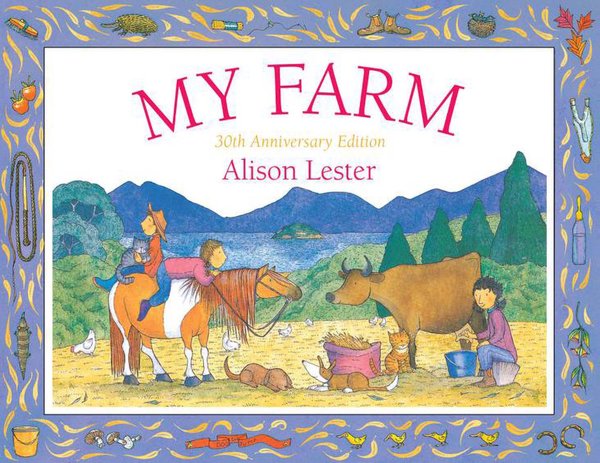
Picture Books
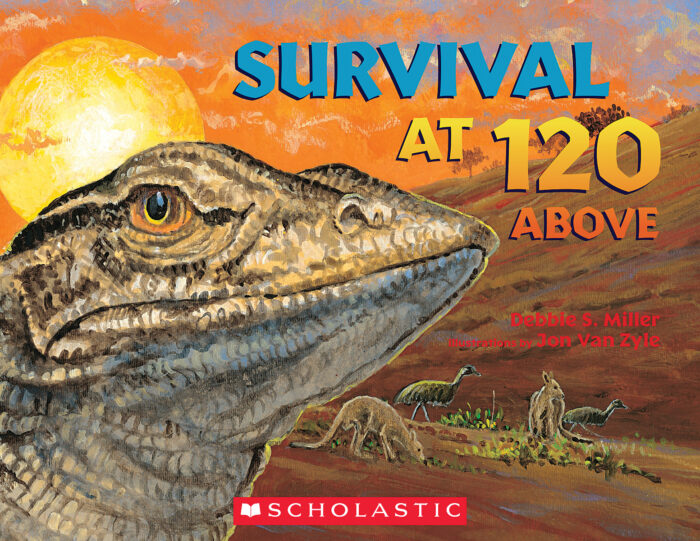
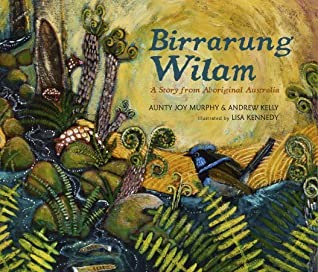
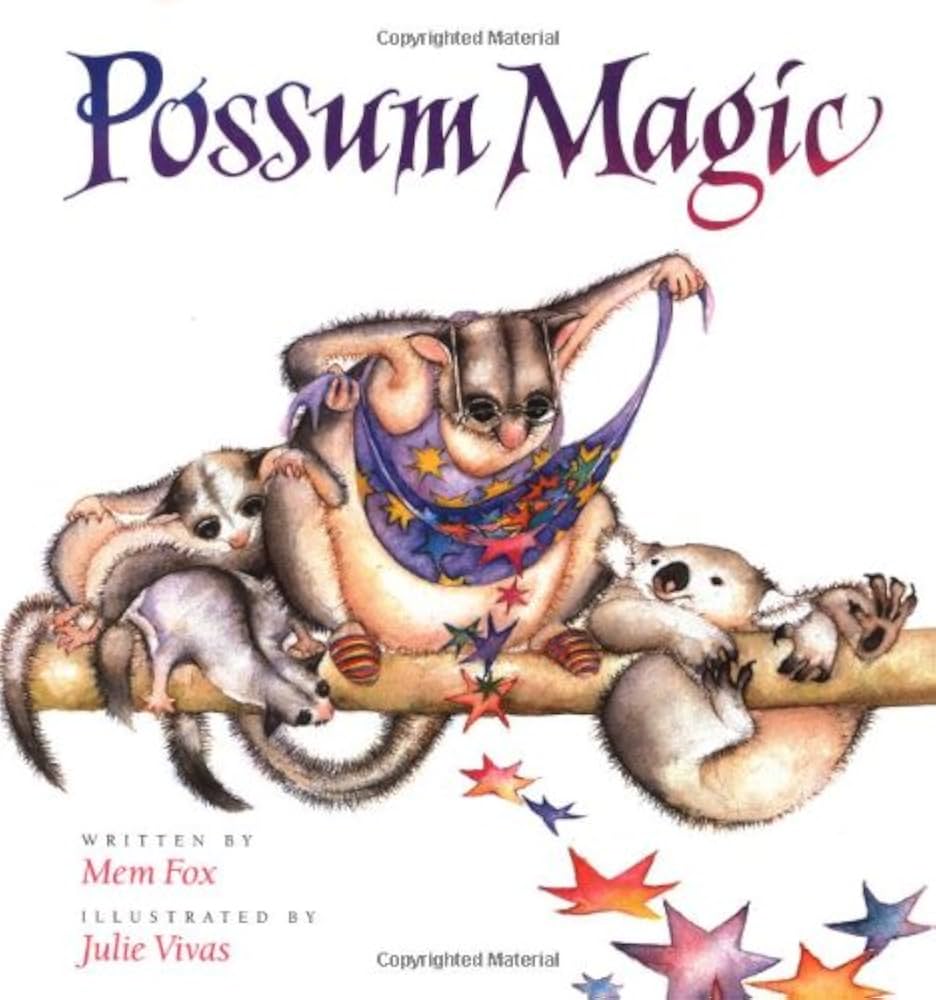
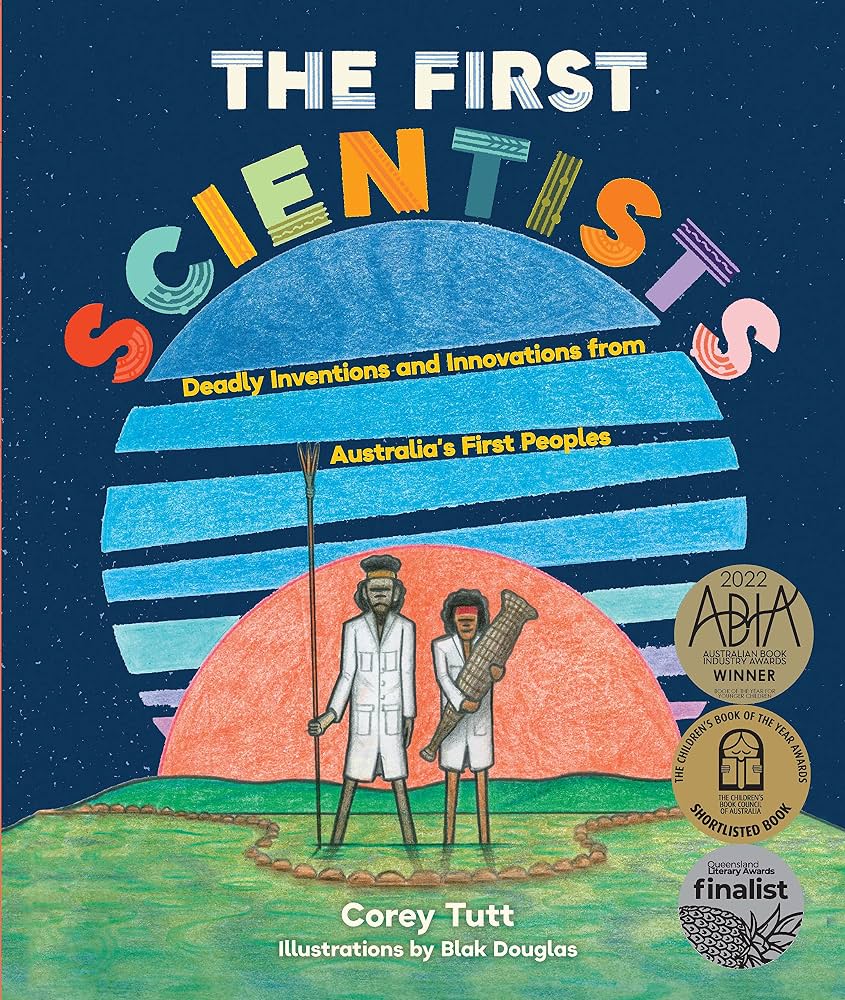
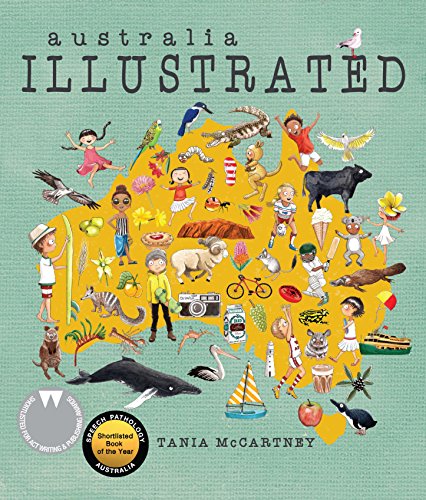
Recommended for grades K–4 and family read-alouds. Short, illustrated books suited to independent or shared reading; some explore subjects that older students can study more deeply.
Middle Grade
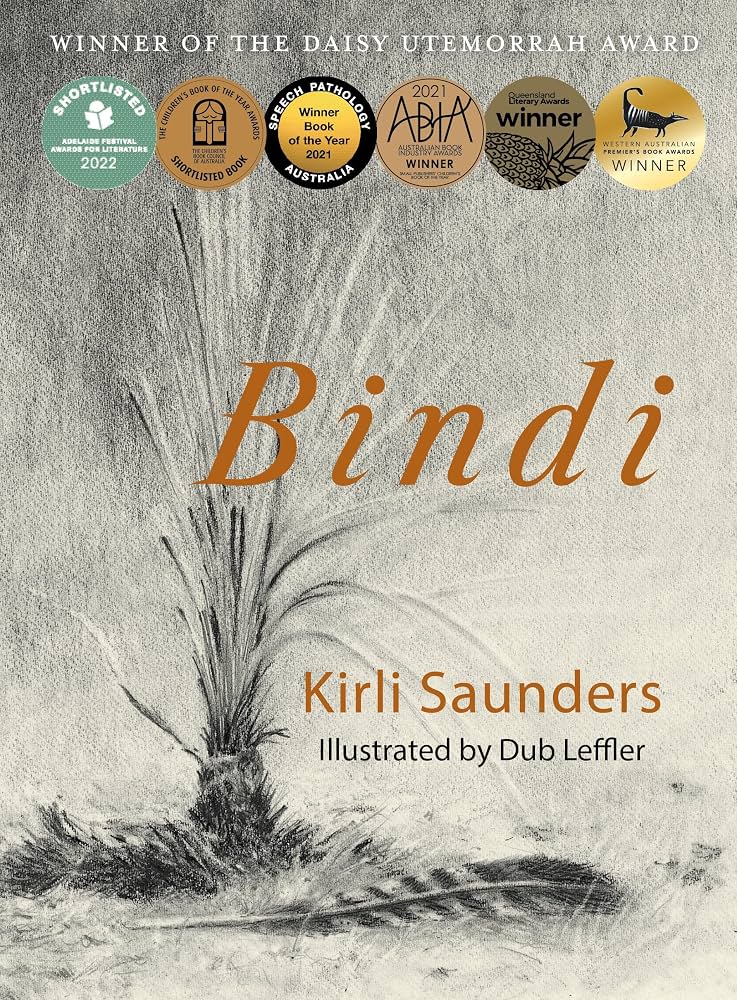
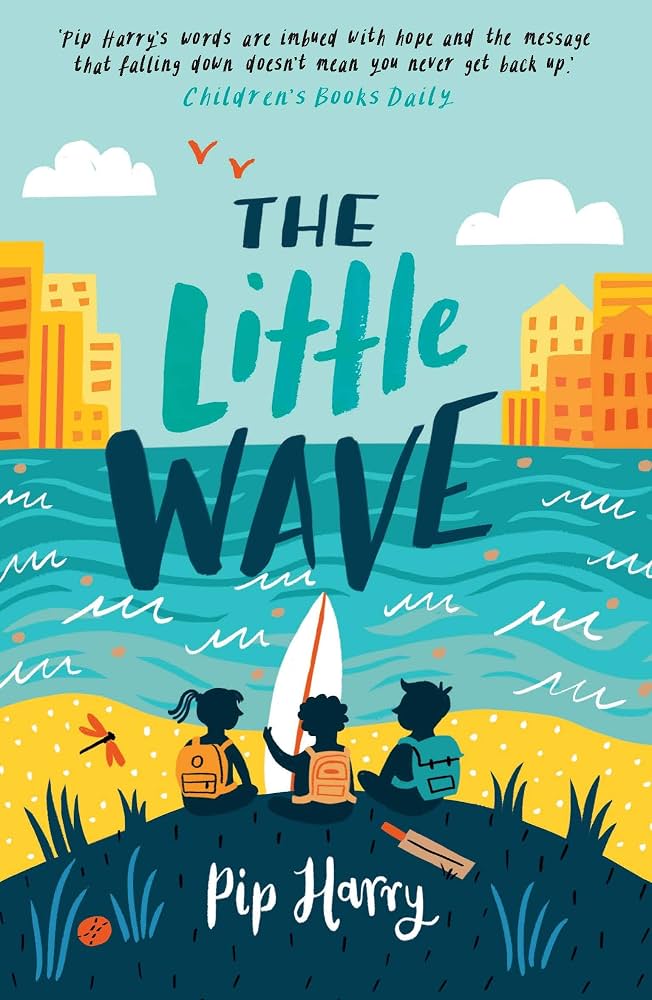
Middle Grade / Teen Crossover
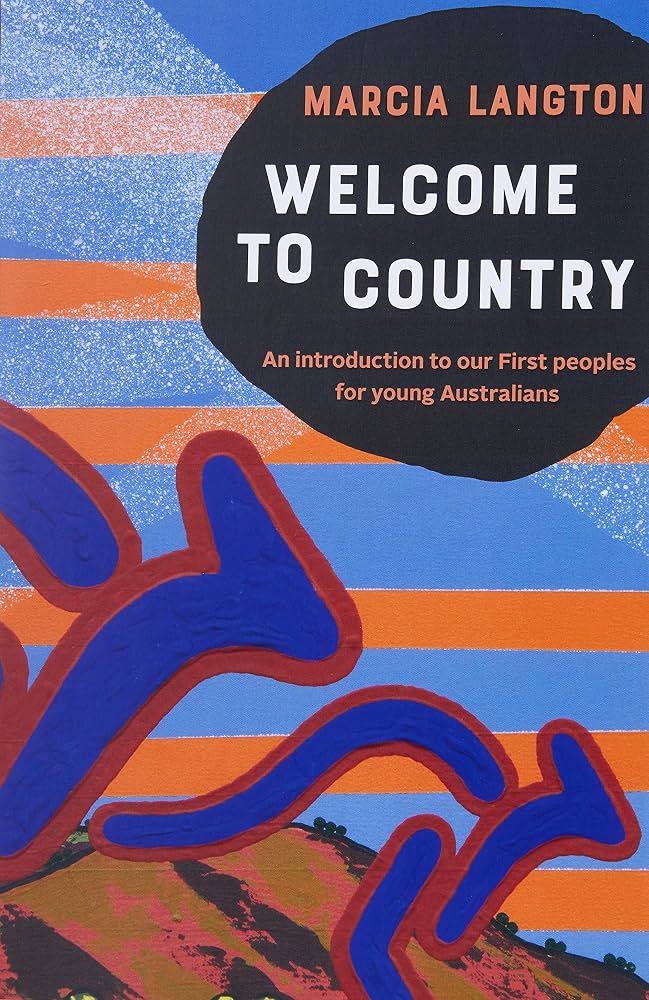
Recommended for grades 6–9. Books that appeal across the middle-grade and early-teen years because of their subject matter, themes, or reading level.
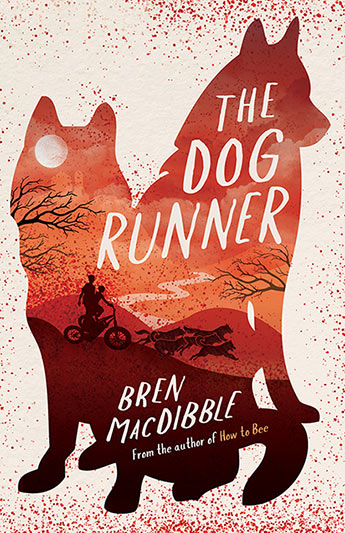
Grade 9 / Advanced
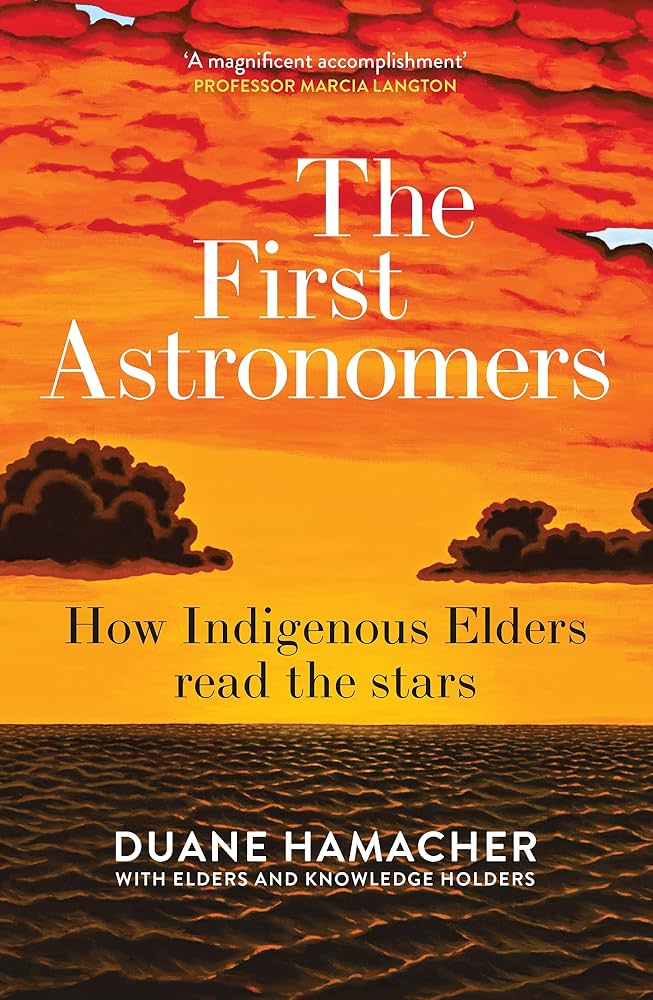
Recommended for grades 8–9 and up. More demanding in length, language, structure, subject matter, or required background knowledge.
Reference Books
A note for parents
Grade recommendations are based on reading level, complexity, and intended audience. Because every student and family is different, please review the book descriptions and content notes, and preview titles as needed, to determine whether each selection is a good fit for your student and your family's values. Content notes identify potentially sensitive material but may not cover every concern.