Brazil
South America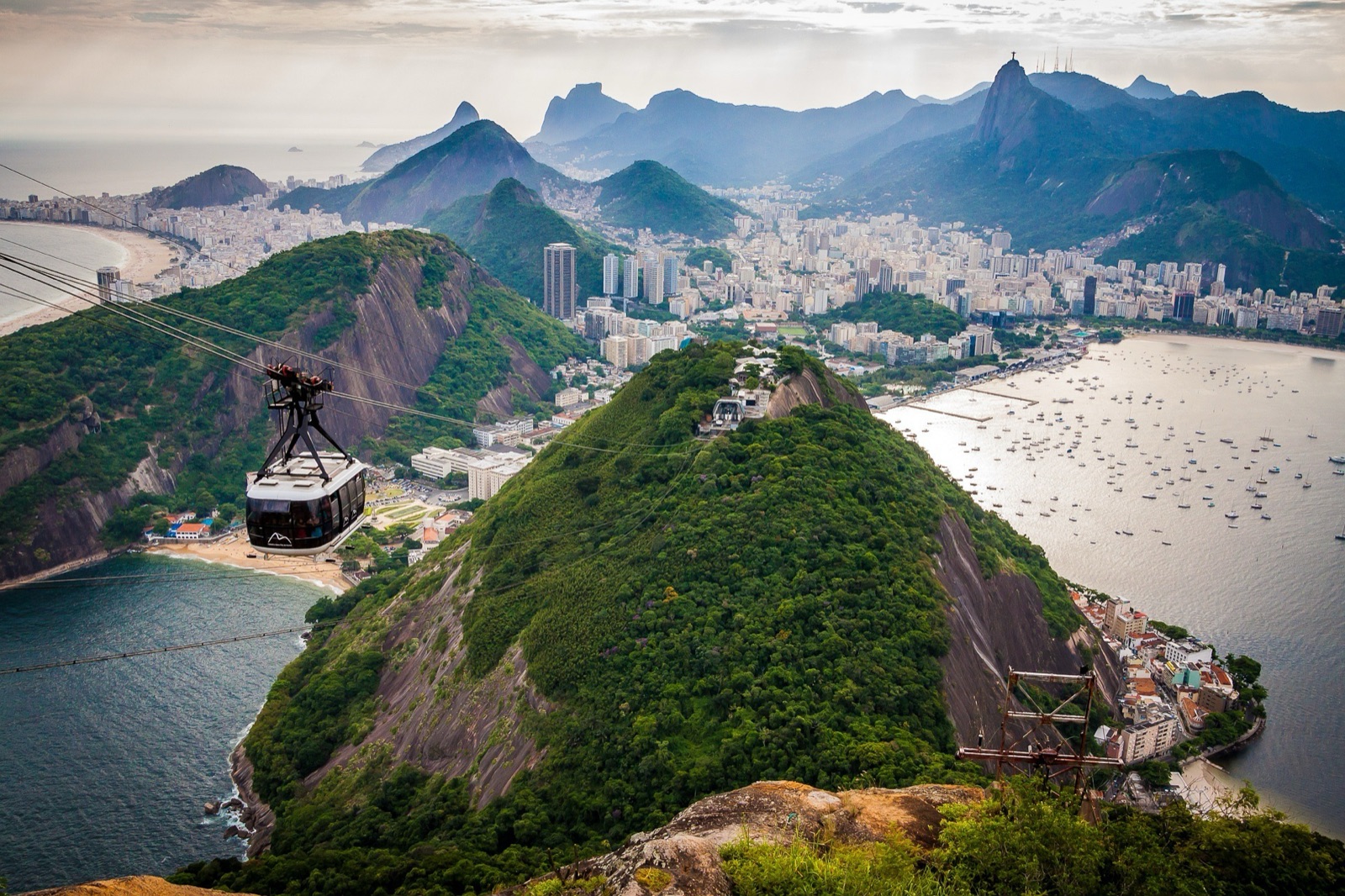
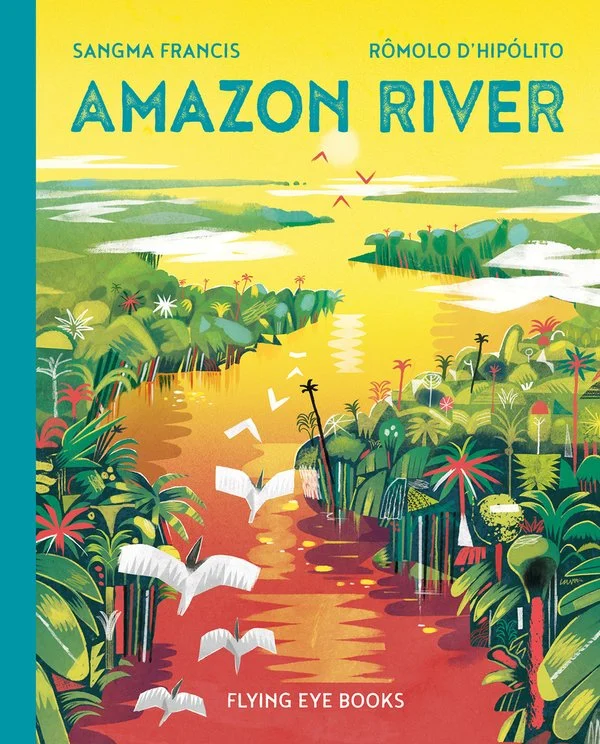
The Amazon rainforest covers much of northern Brazil, crossed by the Amazon River and thousands of smaller rivers. The Amazon carries more water than any other river on Earth, and together these waterways form a vast river network through the rainforest. In many parts of the region, roads are scarce, so rivers serve as highways, with boats carrying people, food, school supplies, and other goods between communities.
Much of central Brazil is covered by a vast tropical savanna of grasses, shrubs, and scattered trees called the cerrado. During its long dry season, the landscape can look brown and harsh, but many plants survive with thick bark and roots that reach deep underground for water. Giant anteaters, long-legged maned wolves, armadillos, and ostrich-like rheas roam the grasslands. Despite its dry appearance, the cerrado is one of the most biologically rich savannas in the world.
In western Brazil, near the borders with Bolivia and Paraguay, lies the Pantanal, one of the world's largest tropical wetlands. During the rainy season, rivers overflow and flood huge areas of grassland and forest. As the water rises and falls through the year, the wetlands support abundant wildlife, including jaguars, capybaras, caimans, giant otters, and large flocks of birds.
Brazil stretches so far from north to south that its climates can feel like different worlds. The Amazon in the north is hot and wet, while the Caatinga of the northeast is a dry landscape of thorny shrubs, cacti, and plants built to survive long stretches without rain. Farther south, winters are cool enough to bring frost—and occasionally even snow—to some higher and inland areas.
- Near the Amazon city of Manaus, two rivers meet but their waters can flow side by side for several kilometers before fully mixing. The dark Rio Negro and the sandy-colored Solimões have different temperatures, speeds, and densities, creating a striking line between the two colors.
- Brazil is so large that it shares a land border with 10 countries—every South American country except Chile and Ecuador. Its borders stretch from the Amazon rainforest in the north to grasslands and wetlands farther south.
Brazil's biggest cities cluster along the Atlantic side of the country, especially in the southeast. São Paulo grew into Brazil's largest business and industrial center, while coastal Rio de Janeiro became a major cultural and tourism center. This pattern has deep roots: Portuguese colonists first built settlements, plantations, and ports along the Atlantic, and later trade, railroads, and industry drew even more people to the same region.
Portuguese became Brazil's main language after Portugal began colonizing the region in the early 1500s. Brazil became independent in 1822, but Portuguese remained the country's official language. Brazilian Portuguese sounds different from region to region: accents, vocabulary, and expressions in places such as Bahia, Rio de Janeiro, and the far south can be noticeably different even though people share the same language.
Brazil is home to hundreds of Indigenous peoples who speak many different languages and have distinct cultures and histories. Many of the country's largest Indigenous territories are in the Amazon, where rivers often serve as major routes between communities and the surrounding forest provides food, medicines, building materials, and other resources. Indigenous Brazilians also live throughout the rest of the country, including in towns and cities.
Millions of Africans were forcibly brought to Brazil during the Atlantic slave trade, more than to any other country in the Americas. Many arrived through northeastern ports, especially Salvador in Bahia, where enslaved Africans and their descendants formed large communities. Slavery was abolished in Brazil in 1888, and freed people and their descendants continued shaping Brazilian culture through music, food, religion, dance, and language. Bahia remains one of the strongest centers of Afro-Brazilian culture today.
- Brazil has the largest population of Japanese descent outside Japan. Beginning in 1908, Japanese immigrants came to Brazil after the country began recruiting overseas workers for its coffee plantations following the abolition of slavery. Many settled in São Paulo state, where their descendants continue building large Japanese-Brazilian communities today.
- Capoeira looks like a mix of martial art, dance, game, and music. It developed among Afro-Brazilians, and players move inside a circle while others clap, sing, and play instruments such as the berimbau, a single-string musical bow. Today capoeira is practiced across Brazil and in countries around the world.
Central Brazil's cerrado was once considered poorly suited to large-scale farming because its soils are naturally acidic and low in nutrients. Brazilian scientists learned how to improve the soil and developed soybean varieties adapted to the tropical climate. The result was a dramatic transformation: vast soybean fields and cattle ranches now cover parts of the cerrado, helping make Brazil a major food exporter. But that expansion has also destroyed habitat for thousands of plant and animal species in one of the world's most biodiverse savannas.
São Paulo's rise began with coffee. In the 1800s and early 1900s, fortunes made from coffee helped finance railroads, banks, and businesses, while immigrants from Europe and Japan and migrants from other parts of Brazil came to the region looking for work. Factories followed, and São Paulo grew into Brazil's largest city and the heart of its biggest industrial region. Today southeastern Brazil produces everything from cars and steel to airplanes, medicines, machinery, and food products.
The Amazon is the world's largest tropical rainforest, home to extraordinary biodiversity and millions of people, including many Indigenous communities. Its forests store enormous amounts of carbon, and its rivers carry vast quantities of freshwater across northern Brazil. Logging, mining, farming, and cattle ranching have brought roads and development into parts of the forest, but they have also caused deforestation and conflicts over Indigenous lands. Protected areas and Indigenous territories preserve large stretches of rainforest.
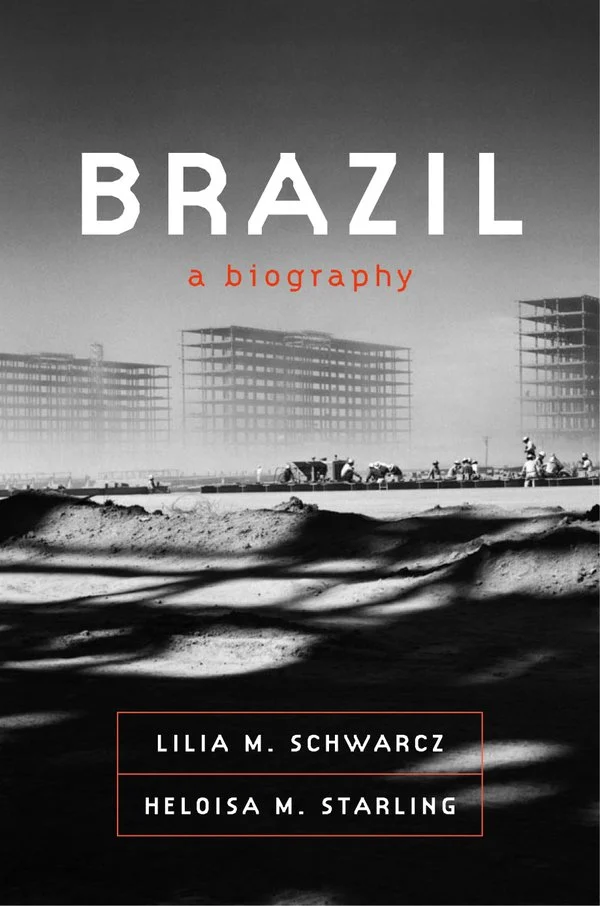
Brazil's capital, Brasília, was built in the country's interior and officially opened in 1960, replacing Rio de Janeiro as the national capital. Brazil had long been more heavily settled along the Atlantic coast, and leaders wanted the new capital to encourage development farther inland and connect the country's interior more closely with the rest of Brazil. The city was planned and constructed in just a few years on Brazil's central plateau.
- Cars in Brazil can run on fuel made from sugarcane. Brazil helped pioneer flex-fuel cars, which can use gasoline, ethanol, or any mixture of the two. At Brazilian gas stations, drivers can choose ethanol as a fuel, and much of it is produced from sugarcane grown in the country.
- On the border between Brazil and Paraguay, the Itaipu Dam stretches for about 8 kilometers (5 miles) across the Paraná River. The two countries built and operate the hydroelectric plant together, and the electricity it produces supplies power to both Brazil and Paraguay.
Recipes
For the whole familyPão de Queijo (Brazilian Cheese Bread)
Pão de queijo is especially associated with Minas Gerais in southeastern Brazil. Its key ingredient is cassava starch, made from a crop cultivated in South America long before European arrival; dairy became important in Minas Gerais during the colonial period. Today the small, chewy rolls are eaten across Brazil for breakfast, in cafés, and as snacks.
What it is: Small baked cheese rolls made with tapioca starch, milk, eggs, oil, and cheese, with a lightly crisp outside and chewy center.
Difficulty: Easy to moderate. The dough can be sticky and unfamiliar; an adult should handle hot liquids and the oven.
Brigadeiros (Chocolate Fudge Sweets)
Brigadeiros became popular in Brazil in the mid-twentieth century and are now closely associated with birthdays and other celebrations. The chocolate mixture is cooked until thick, cooled, rolled into small balls, and usually coated with chocolate sprinkles. Many newer versions use other flavors, but chocolate remains the classic.
What it is: Bite-sized chocolate sweets made from sweetened condensed milk, cocoa, butter, and sprinkles.
Difficulty: Easy. An adult should supervise the stovetop cooking, and the mixture must cool before children shape it.
Traditional Games
All agesPeteca has Indigenous roots in Brazil and takes its name from a word of Tupi origin connected with striking something by hand. The hand-shuttlecock game later developed into both a casual Brazilian pastime and an organized sport with courts, nets, and competitions.
Cinco Marias is a Brazilian version of the ancient and widespread family of five-stones or jacks games. In Brazil it is often played with five tiny cloth bags filled with rice or sand. The challenge is coordinating two actions at once: tossing one piece into the air while quickly collecting another before catching the first.
Activities
The Tapajós River Rises and Falls
Move the water beside a river home and see how one Amazon landscape changes with the seasons
Watch Frevo in Recife
See tiny umbrellas, brass bands, quick steps, and energetic movement in a dance from northeastern Brazil
Make a Carnival Mask
Design a colorful, feathered Carnival mask — the kind worn during Brazil's most spectacular celebration
Sing and Clap "Sapo Cururu"
Jump along to one of Brazil's most beloved children's folk songs — a little frog sitting on a log in the rain
Meet the Giant Water Lily — Then Make One
Discover the world's largest leaf — strong enough to hold a child's weight — then make your own giant version from a paper plate
Brazil’s Six Major Landscapes
See how rainforest, savanna, drylands, wetlands, coastal forest, and southern grasslands fit inside one enormous country
Many Indigenous Brazils
Meet three Indigenous peoples in different regions and see how their languages, lands, and present-day communities differ
Brazilian Football: Pass, Move, and Play
Play a small-sided game like the informal football played in Brazilian neighborhoods, beaches, and schoolyards
Watch a Capoeira Roda and Try the Ginga
See how movement, berimbau music, singing, clapping, and two players interact inside a circle
Brazil's Flying Rivers: Amazon Moisture and Rainfall
See how the Amazon rainforest moves enormous amounts of water through the air and shapes rainfall far to the south.
Brasília: A Capital Carved from the Wilderness
Compare a population map of Brazil with a satellite image of Brasília and ask why a government would build a city far from where people lived.
The Amazon Basin Crosses Borders
Compare a watershed with political borders and follow a river system that connects Brazil with neighboring countries
The Pantanal’s Wet and Dry Seasons
Watch dry ground become wetland and see how seasonal flooding reshapes the same landscape
Explore the Afro Brasil Museum
Find objects connected with work, belief, art, and resistance in Afro-Brazilian history
Listen to Samba de Roda in Bahia
Hear singing, handclaps, percussion, and improvised dance in a samba tradition from the Recôncavo of Bahia
Brasília: Can You Plan a City?
Study Brazil's purpose-built capital, then plan a tiny city of your own
Palmares: Building a Community Beyond Slavery
Locate the landscape where people escaping slavery built settlements that resisted Portuguese control for decades
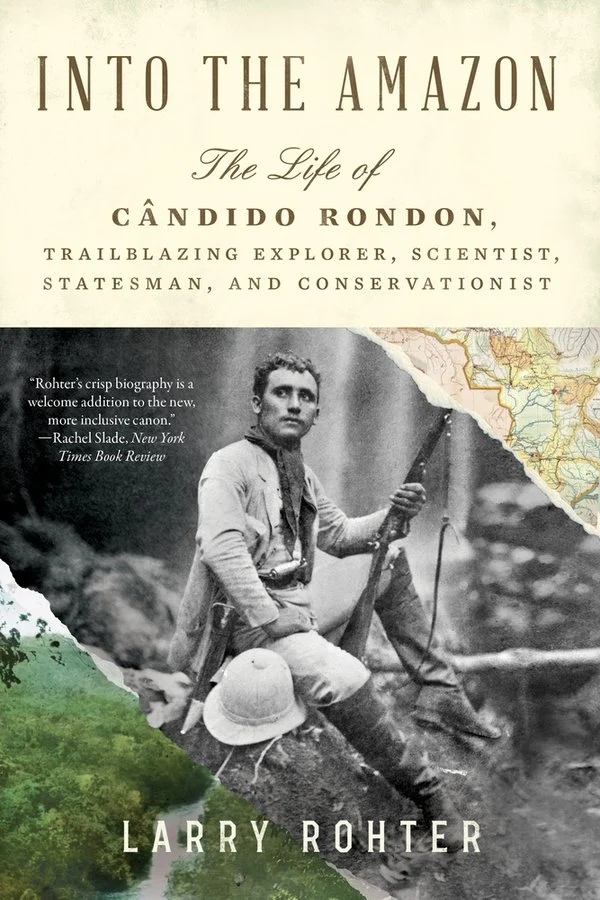
Cândido Rondon: Protection or Expansion—or Both?
Examine how telegraph expeditions could oppose violence toward Indigenous people while extending government power into their territories
Why Did Independent Brazil Become an Empire?
Solve the political puzzle that made the Portuguese king's son Brazil's first emperor
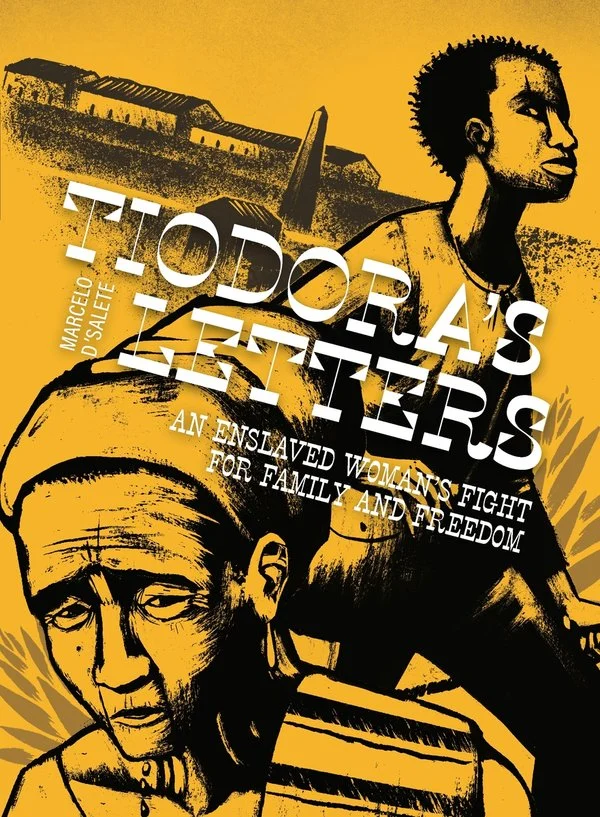
Tiodora’s Letters: Family and Freedom Under Slavery
Read the surviving words an enslaved woman dictated while trying to reunite her family and gain her freedom
When a Government Silences a Song: "Cálice"
Examine a censorship document and see how Brazilian musicians used wordplay to challenge enforced silence
Watch the Cerrado Change
Compare native savanna with agricultural land and see what changes when land is converted to farms and pasture
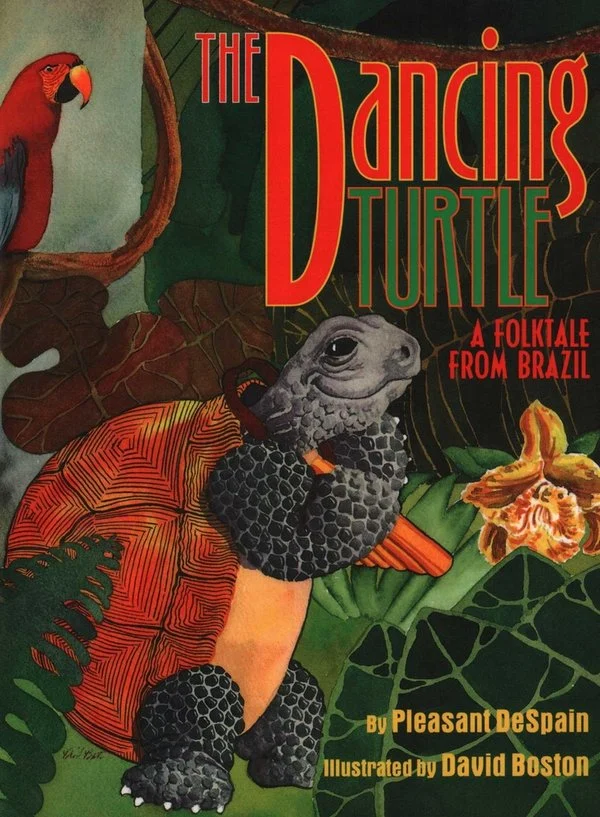
Picture Books
Recommended for grades K–4 and family read-alouds. Short, illustrated books suited to independent or shared reading; some explore subjects that older students can study more deeply.
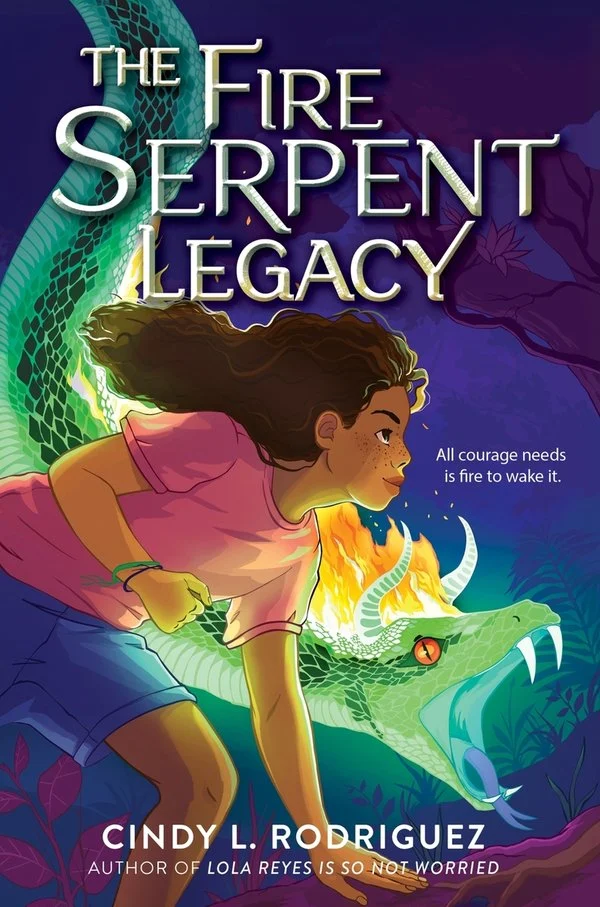
Middle Grade
Grade 9 / Advanced
Recommended for grades 8–9 and up. More demanding in length, language, structure, subject matter, or required background knowledge.

Reference Books
A note for parents
Grade recommendations are based on reading level, complexity, and intended audience. Because every student and family is different, please review the book descriptions and content notes, and preview titles as needed, to determine whether each selection is a good fit for your student and your family's values. Content notes identify potentially sensitive material but may not cover every concern.