China
Asia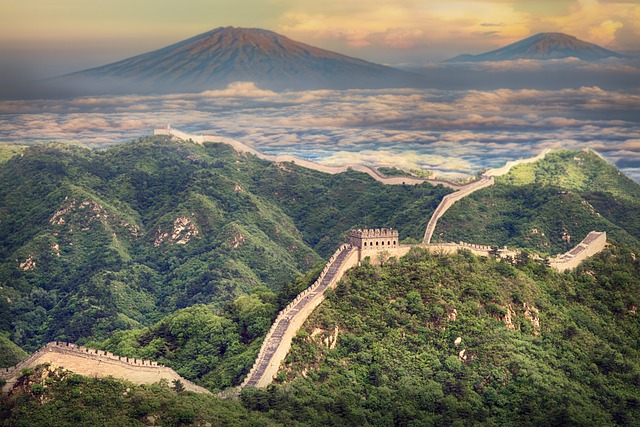
China's eastern edge runs along the Pacific Ocean for roughly 14,500 kilometers, touching the Yellow Sea, the East China Sea, and the South China Sea. The country covers about 9.6 million square kilometers, among the largest in the world, and shares land borders with 14 countries, more combined border length than any nation on Earth. A trip across China covers roughly the same distance as a trip across the continental United States.
Thousands of dramatic limestone peaks rise straight up out of the flat land around Guilin's Li River, carved over millions of years as mildly acidic rainwater slowly dissolved limestone left behind by an ancient seabed. The scenery is so distinctive it's printed on China's 20-yuan banknote, and it has inspired Chinese landscape painters and poets for over a thousand years.
The Yellow River's fertile floodplains, built from wind-blown silt, gave rise to Chinese civilization more than 4,000 years ago, though catastrophic floods over the centuries earned it the nickname "China's Sorrow." Farther south, the Yangtze, Asia's longest river at 6,300 kilometers, now powers the Three Gorges Dam, the largest power station of any kind on Earth.
China spans roughly the same range of latitude as the continental United States, and its climate shows it: the northern city of Harbin regularly drops below -20°F in January, while the tropical island of Hainan in the far south stays warm enough for swimming year-round. In between lies the Gobi Desert, where spring windstorms can lift enough dust into the air to reach Beijing, Korea, and Japan.
- The Yangtze River basin is home to the Chinese giant salamander — the world's largest amphibian, reaching up to 1.8 meters long — as well as the critically endangered Yangtze finless porpoise.
- About 80% of the world's roughly 1,900 wild giant pandas live in the mountain forests of Sichuan province, where dense bamboo makes up nearly their entire diet — and that population has nearly doubled since the 1980s thanks to decades of conservation work.
China is home to about 1.4 billion people, roughly one in five humans alive, but they are extraordinarily unevenly distributed. A diagonal line across the map, from Heihe in the northeast to Tengchong in the southwest, marks a divide first identified by geographer Hu Huanyong in 1935: even today, roughly 94% of the population lives east of that line, on just 43% of the country's land.
For the first time in more than 60 years, China's population began shrinking in 2022, the delayed result of the One-Child Policy (1980–2015), which for over three decades limited most urban families to a single child and left the country with a rapidly aging population. A separate system called hukou ties school and healthcare access to a person's birthplace, which is why more than 100 million migrant workers now live in cities apart from children left behind in home villages.
Mandarin is China's official spoken language, but the country has dozens of regional dialects — Cantonese, Shanghainese, Hokkien — so different that speakers often can't understand each other's speech at all. Written Chinese solves this in a unique way: because characters represent meaning rather than sound, someone who can't follow spoken Cantonese can often still read a newspaper printed in standard characters.
China has one of the world's oldest continuous artistic traditions, from calligraphy and classical poetry to porcelain so prized abroad that the material itself came to be called "china" in English. Jingdezhen, a city that has produced fine porcelain for more than a thousand years, is still known as China's porcelain capital today. Regional cuisines are just as distinct — Sichuan's numbing spice, Cantonese dim sum, and Beijing's roast duck are only three of dozens.
- China spans nearly 5,000 km from east to west — wide enough for five time zones — but the whole country runs on a single official clock, so in the far west, the sun can still be high in the sky well past 8pm in summer.
- The Great Wall's total length, counting all branches and sections built across different dynasties, is estimated at over 21,000 km — long enough to circle the Earth halfway at the equator.
China is the world's second-largest economy and by far its largest manufacturer. This transformation began in 1978, when leader Deng Xiaoping opened the economy to foreign investment and private business — nowhere more dramatically than in Shenzhen, a fishing village of about 30,000 people in 1980 that Deng designated a special economic zone and that has since grown into a tech-manufacturing hub of more than 17 million people.
WeChat, launched in 2011, has grown into what's often called China's "everything app" — with more than 1.4 billion monthly users, it combines messaging, mobile payment, and ride-hailing into a single platform, so that many city-dwellers rarely carry cash or even a wallet. That scale shows up in shopping too: the annual Singles' Day event each November now generates tens of billions of dollars in sales in a single day, more than Black Friday and Cyber Monday combined.
China holds more than 80% of the world's known reserves of rare earth minerals — the elements essential to smartphones, electric motors, and defense electronics — and processes an even larger share of the global supply. That gives it real leverage: in recent trade disputes, China has restricted rare earth exports to pressure trading partners, a reminder of how much of the world's technology depends on minerals mined and processed in one country.
China is a permanent member of the UN Security Council, giving it veto power over major international decisions, and it has become the world's largest creditor to developing nations. Since 2013, its Belt and Road Initiative has financed ports, railways, and roads across more than 100 countries in Asia, Africa, and Latin America, though several borrowers have struggled to repay their loans, occasionally handing Chinese state companies long-term control over the infrastructure they helped build.
- China produces about half of the world's pork — roughly 55 million tons per year — because pork has been the dominant meat in Chinese cooking for thousands of years.
- China has the world's largest high-speed rail network: over 45,000 km of track, more than the rest of the world combined — and it was built almost entirely between 2007 and the present day.
Recipes
For the whole familyEgg Drop Soup (Dan Hua Tang)
Egg drop soup is one of the most familiar dishes on Chinese American restaurant menus, but the home version is even simpler and quicker to make than takeout. A light, savory chicken broth is seasoned with ginger, green onion, and white pepper, then thickened slightly with a cornstarch slurry before beaten eggs are drizzled in slowly, forming silky ribbons as they cook on contact with the hot broth.
What it is: A light, savory chicken broth with silky egg ribbons, seasoned with ginger, scallion, and white pepper.
Difficulty: Very easy; children can crack and whisk the eggs and drizzle them slowly into the pot, with an adult handling the hot broth.
Scallion Pancakes (Cong You Bing)
Cong you bing, or scallion pancakes, are a common breakfast and street-food item across northern China, sold hot off a griddle and eaten plain, dipped in soy sauce, or wrapped around other fillings. Unlike a Western pancake, this one starts as a dough, not a batter — the dough is rolled thin, brushed with oil, layered with chopped scallions, then rolled up and coiled before being flattened and pan-fried, which is what creates its many flaky, chewy layers instead of one flat surface.
What it is: A flaky, savory pan-fried flatbread layered with chopped scallions, crisp outside and chewy inside.
Difficulty: Moderate; children can help chop scallions and roll or coil the dough, with an adult handling the hot pan.
Traditional Games
All agesA traditional toss-and-catch dexterity game played with small stones or beanbags, similar to Western jacks.
A more than 2,000-year-old ball game widely considered the earliest ancestor of soccer, once used to train Chinese soldiers before becoming popular at the imperial court.
Activities
By grade band — click any card to see full detailsTry Chinese Paper-Cutting
Fold and snip red paper into a symmetrical pattern the way Chinese families do for Lunar New Year decorations
Make a Paper Lantern
Fold, cut, and roll paper into a glowing lantern shape like the ones that decorate Chinese streets during festivals
Try Chinese Brush Painting
Paint a simple bamboo stalk or mountain with a few flowing brushstrokes, the way Chinese landscape painters have for centuries
Watch Live Giant Pandas
Watch real pandas eat, climb, and play live from a conservation center in Sichuan province
Count to 10 in Mandarin
Sing along to learn the numbers one through ten in Mandarin Chinese
Try Jianzi (Shuttlecock Kicking)
Keep a feathered shuttlecock in the air using only your feet, the way Chinese players have for centuries
Map China's Rivers and Coastline
Label the Yellow and Yangtze Rivers and trace China's Pacific coastline on a blank map
Trace the Ancient Silk Road
Follow the Silk Road west from the old capital of Chang'an and discover what goods and ideas traveled along it
Sculpt a Terracotta Warrior
Shape your own clay soldier, giving it unique features the way each of the 8,000 real terracotta warriors has its own face
Compare a Photo to a Painting
Look at real photos of Guilin's mountains next to classical Chinese paintings and spot what the artists changed
Hide a Coin in a Dumpling
Make dumplings together and hide a coin in one for good luck — a real Lunar New Year tradition for families reuniting after time apart
The Invisible Line That Splits a Country
Explore an interactive map showing why 94% of China's population lives on one side of a single diagonal line
Read the Analects of Confucius
Read Confucius's own words on friendship, learning, and character, written down by his students more than 2,000 years ago
The Three Gorges Dam: Power and Cost
Weigh the flood control and electricity the Three Gorges Dam provides against the 1.3 million people it displaced
Move Like a Dragon: The Dragon Dance
Learn the basic dragon-dance movements and see why keeping a giant puppet dragon in sync takes real teamwork
Write Like a Scholar: Chinese Calligraphy
Practice real stroke order on a few Chinese characters and see how the same character can look completely different depending on who writes it
The "Down to the Countryside" Movement
Learn the real history of China's campaign that sent millions of city students to live and work in rural villages
Follow a Rare Earth from Mine to Smartphone
Trace how China came to process most of the world's rare earth minerals — the elements inside every smartphone
The Cultural Revolution, Firsthand
Read primary source documents from the Cultural Revolution and see what they reveal about daily life under political pressure
Map the Belt and Road's Debt
Explore which countries owe China the most money through its global infrastructure lending program
A Shrinking, Aging China
Examine the data behind China's first population decline in 60 years and what it means for the country's future
Tiananmen Square, 1989
Examine photographs and a timeline from the 1989 protests, the backdrop of Forbidden City
The Sound of Propaganda: Two Political Songs
Listen to two of modern China's most famous patriotic songs and unpack the techniques that make political music persuasive
WeChat: Convenience and Control
Examine what it means for one app to handle messaging, payments, and more for 1.4 billion people
Picture Books
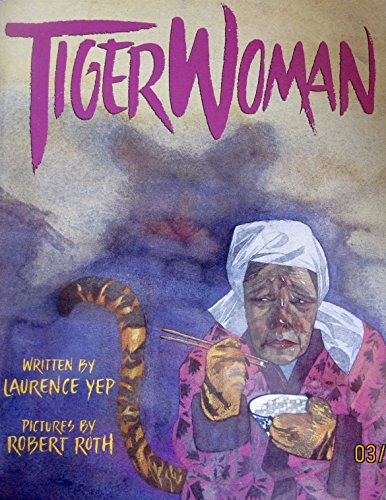
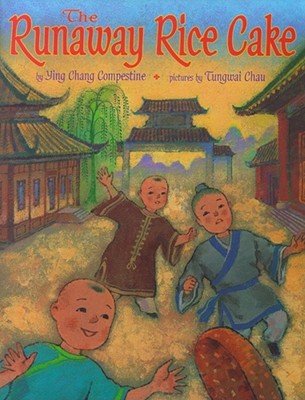
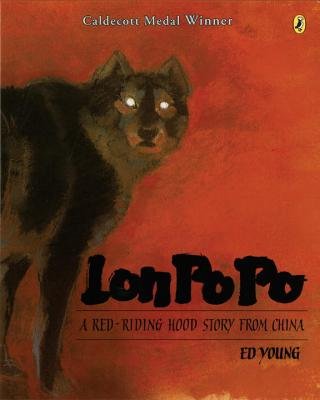
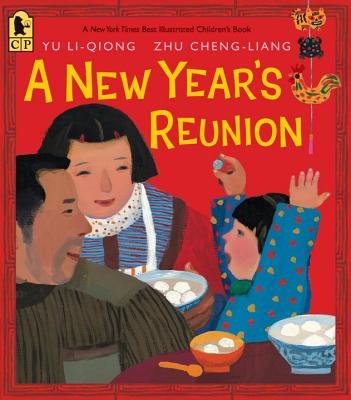
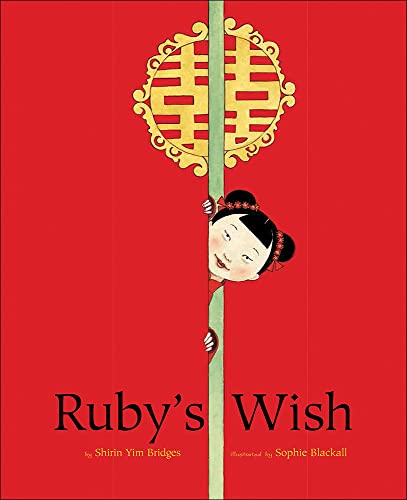
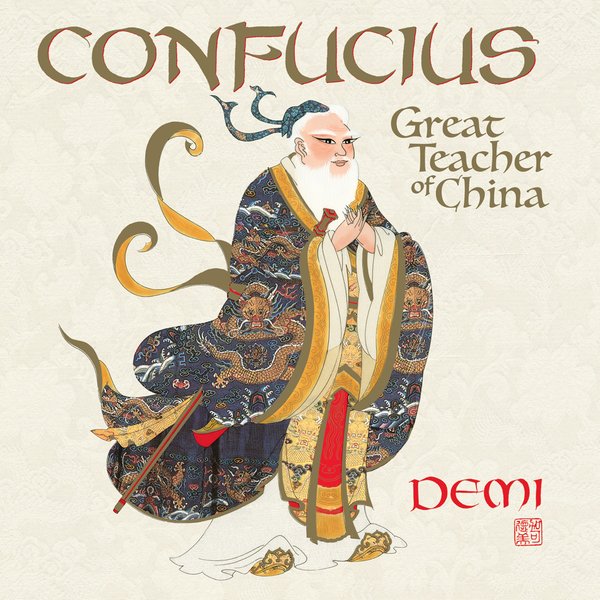
Recommended for grades K–4 and family read-alouds. Short, illustrated books suited to independent or shared reading; some explore subjects that older students can study more deeply.
Middle Grade
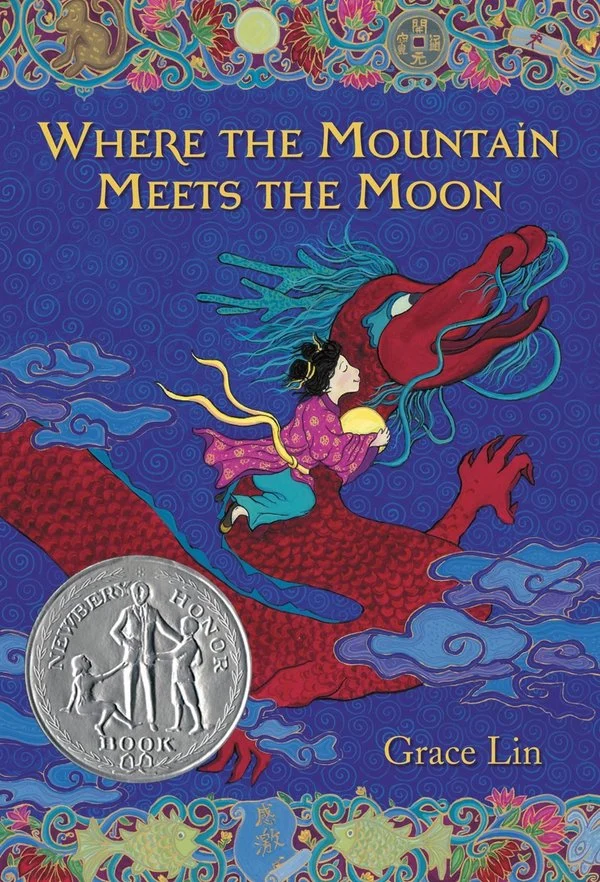
Recommended for grades 4–7. Chapter books with more developed plots and themes, suited to independent readers ready for longer stories.
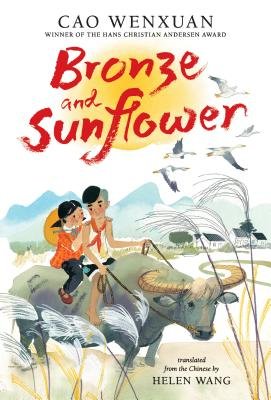
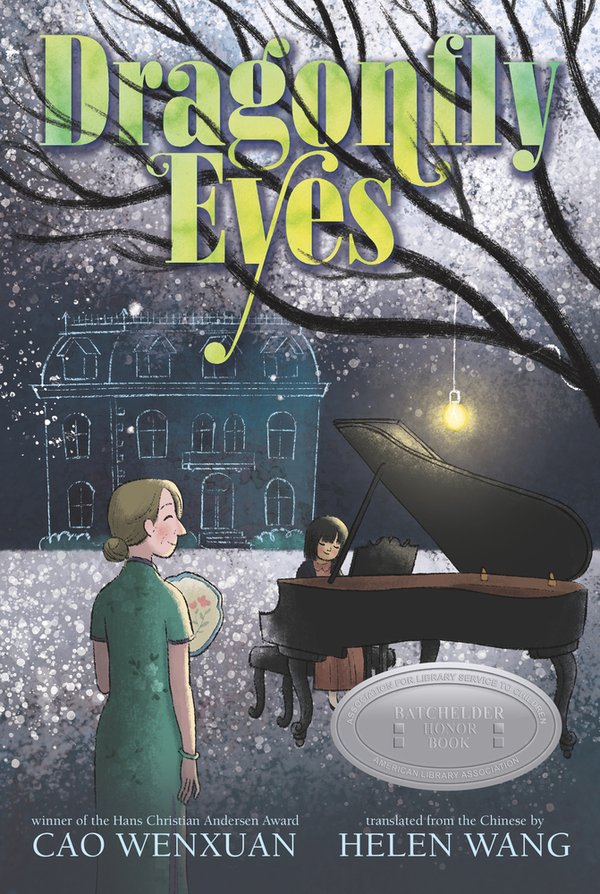
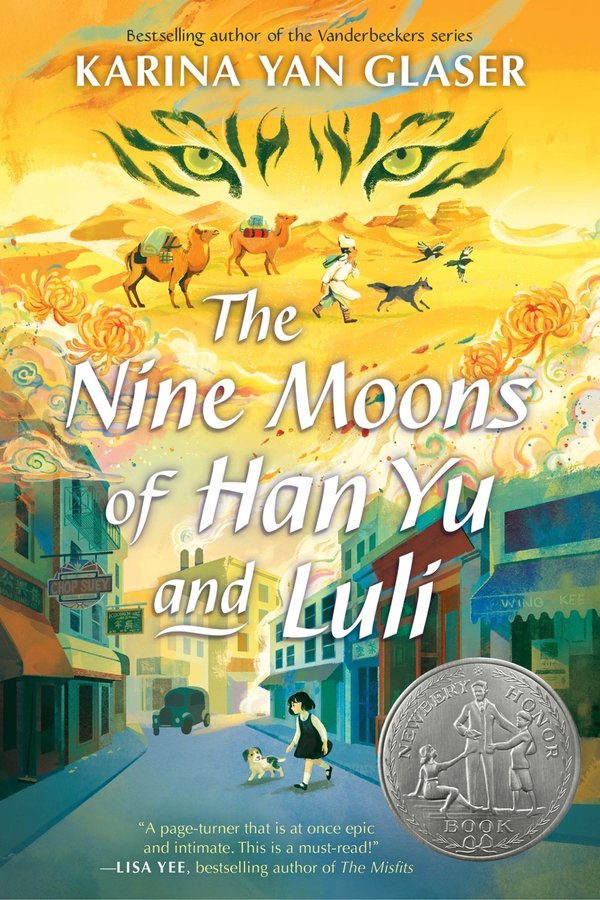
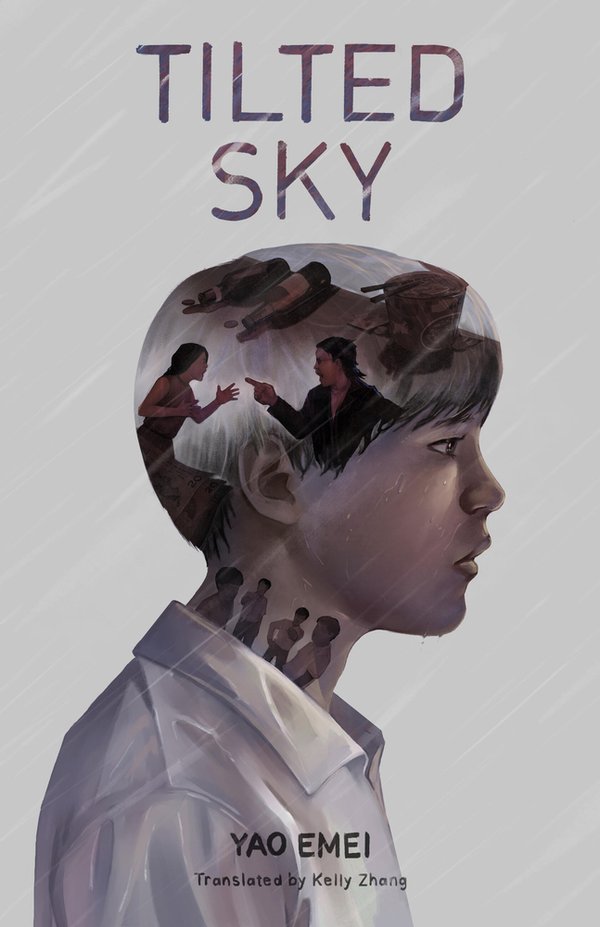
Middle Grade / Teen Crossover
Recommended for grades 6–9. Books that appeal across the middle-grade and early-teen years because of their subject matter, themes, or reading level.
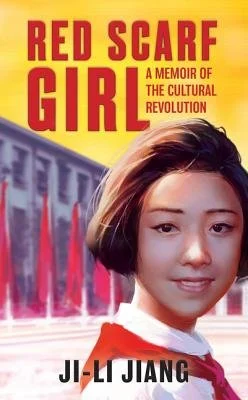
Grade 9 / Advanced
Recommended for grades 8–9 and up. More demanding in length, language, structure, subject matter, or required background knowledge.
Reference Books