Dominican Republic
North America & Caribbean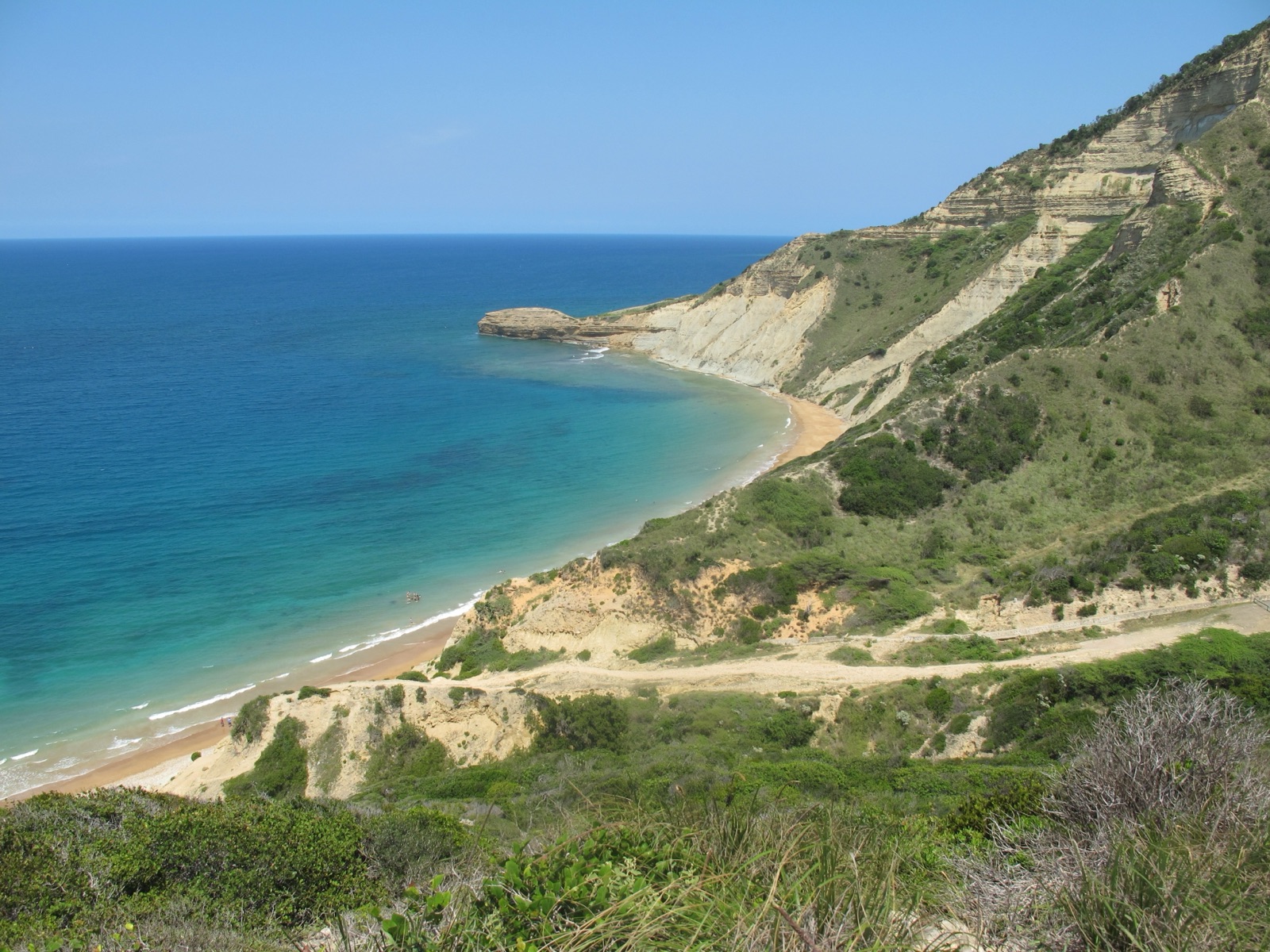
The Dominican Republic shares the Caribbean island of Hispaniola with Haiti. The Dominican Republic occupies the eastern part of the island, while Haiti lies to the west. Their border crosses mountains and valleys rather than following a natural break in the landscape.
A mountain range called the Cordillera Central runs through the middle of the country. Its highest point, Pico Duarte, rises more than 3,000 meters (10,000 feet), making it the tallest mountain on any Caribbean island. The high elevations are cool enough for pine forests—and temperatures near the summit can even drop low enough for frost!
Rain falling high in the Cordillera Central helps make the broad Cibao Valley one of the country's richest farming regions. Rivers such as the Yaque del Norte carry water down into the valley, where farmers grow rice, plantains, cacao, tobacco, and other crops.
Mountains block some rain from reaching the southwest, creating one of the country's driest regions. There, Lake Enriquillo sits below sea level in a hot basin with no river flowing out of it. As water evaporates, salt is left behind, making the lake saltier than the ocean—and American crocodiles live along its shores and in its waters.
- The Dominican Republic is home to one of the world's few venomous mammals! The Hispaniolan solenodon is a small, nocturnal animal with a long snout that delivers venom through grooves in its teeth. Its ancestors have survived in the Caribbean for tens of millions of years.
- Every winter, humpback whales migrate thousands of kilometers from the North Atlantic to the warm waters around the Dominican Republic. Many gather in Samaná Bay and nearby protected waters to mate and give birth before traveling north again.
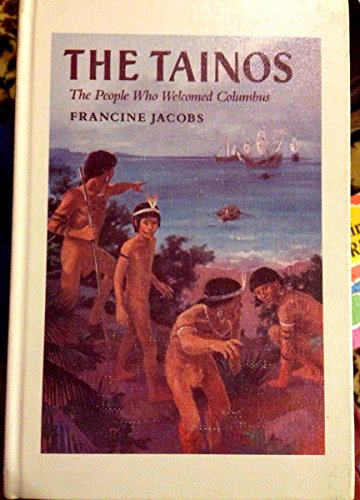
For centuries before Spanish colonization, Taíno communities farmed cassava, fished, traded between islands, traveled by canoe, and built villages across Hispaniola. Their communities were connected through trade, family relationships, and local leaders. Taíno influence still survives in Dominican foods and place names, as well as words such as hamaca (hammock) and huracán (hurricane).
When Columbus arrived in 1492, Hispaniola was home to established Taíno communities. Spain seized land, forced Taíno people to labor, and established Santo Domingo as the center of Spanish rule in the Caribbean. Violence and diseases brought from Europe devastated Taíno communities as Spain expanded its control.
After Spain established a colony on Taíno lands, Spaniards began forcing enslaved Africans across the Atlantic in the early 1500s, especially to work in sugar production. Africans and their descendants became a major part of the population and helped shape the culture developing in what is now the Dominican Republic. African traditions became especially important in Dominican music and dance, religious practices, food, and other parts of everyday life.
Two music and dance traditions born in the Dominican Republic—merengue and bachata—are now danced around the world. Merengue became closely tied to Dominican celebrations and national life, while bachata grew from guitar music played at everyday social gatherings and in working-class neighborhoods. Once looked down on by many Dominican elites, bachata eventually became a source of national pride and an international music phenomenon.
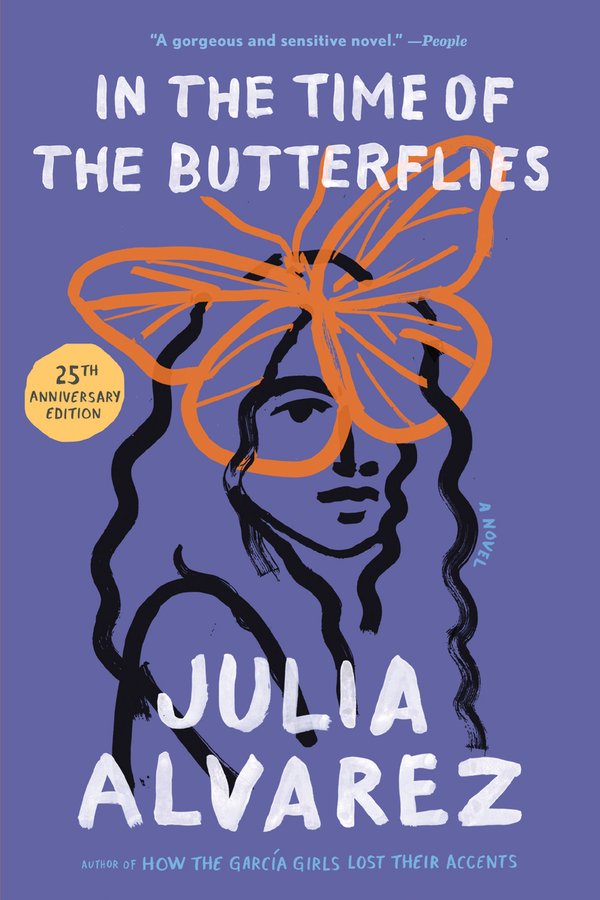
One of the largest Dominican communities outside the Dominican Republic is in New York City. Dominican migration to the United States grew sharply after the fall of Rafael Trujillo's brutal dictatorship in 1961, as political upheaval and economic problems pushed many people to leave. As Dominican communities grew, relatives followed, and strong connections with the island continued through family, travel, food, music, and businesses.
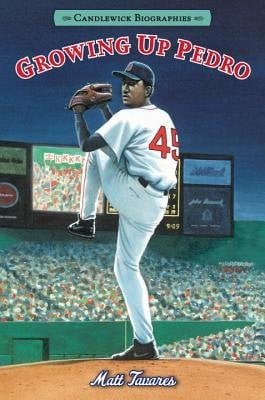
- For a country of only about 11 million people, the Dominican Republic has an astonishing presence in Major League Baseball: about one in ten players on MLB's 2026 Opening Day rosters and inactive lists was born there. Baseball is deeply embedded in Dominican life, and professional teams operate extensive scouting and training systems across the country.
- Dominicans still make cassava bread from a starchy root that Taíno people were preparing centuries before Europeans arrived. The tradition is one living connection between today's Dominican food and the people who lived on the island before Spanish colonization.
Punta Cana, on the Dominican Republic's eastern coast, had beautiful beaches but little tourism development until the 1970s. Resorts began to grow, and an international airport made it easy for travelers to fly directly there. Punta Cana soon became one of the Caribbean's busiest resort destinations and a major source of tourism income for the country.
Many Dominicans who live abroad send money home to relatives; these payments are called remittances. Families use the money for food, housing, education, healthcare, and other needs. Together, these payments amount to roughly a tenth of the country's economy.
Some chocolate eaten around the world begins on farms in the Dominican Republic. Cacao trees grow well in the country's warm, rainy regions, where farmers harvest the pods, remove the seeds, then ferment and dry them. Those dried cacao beans are shipped away to be turned into chocolate that may eventually be eaten thousands of kilometers from the farm where they grew.
Haiti and the Dominican Republic share the island of Hispaniola, but the two sides developed under different colonial powers: Spain controlled the east, while France controlled the west. Haiti won its independence from France in 1804 and later governed the entire island from 1822 until 1844, when leaders in the east founded the independent Dominican Republic. The border remained politically charged; under dictator Rafael Trujillo, anti-Haitian persecution culminated in the 1937 killing of thousands of Haitians and Dominicans of Haitian descent near the border.
- Some Dominican amber contains insects, plants, and other tiny organisms trapped in tree resin millions of years ago! As the resin hardened into amber, it preserved extraordinary details of the ancient ecosystem, giving scientists a window into life long before humans lived on the island.
- A brilliant blue gemstone called larimar is found naturally only in the Dominican Republic. It forms in volcanic rock in the mountains near Barahona in the southwest, and its Caribbean-blue color has made it one of the country's best-known natural treasures.
Recipes
For the whole familyMangú (Dominican Mashed Green Plantains)
Mangú is a distinctly Dominican dish made from boiled green plantains mashed until smooth, often topped with sautéed red onions. It is commonly eaten at breakfast and may be served with eggs, fried cheese, or Dominican salami in a combination known as los tres golpes.
What it is: Soft mashed green plantains seasoned with salt and butter or oil, often topped with onions.
Difficulty: Easy. Children can mash the cooked plantains; an adult should handle boiling and slicing.
La Bandera Dominicana (Dominican Flag Lunch)
La bandera dominicana, or “the Dominican flag,” is the name commonly given to the country's familiar lunchtime combination of white rice, stewed beans, and meat, usually with salad or another side. The name reflects how central the meal is to everyday Dominican food culture rather than suggesting it is reserved for national holidays.
What it is: White rice served with stewed beans and seasoned chicken or beef, usually with salad or plantains.
Difficulty: Moderate. Several components cook separately, so this is best as an adult-assisted family meal.
Traditional Games
All agesVitilla is a Dominican street game that uses a plastic bottle cap and narrow stick to create a demanding baseball-inspired challenge with everyday objects.
Trúcamelo is the Dominican name for a traditional game in the widespread hopscotch family, played with a flat marker on a numbered course drawn on the ground.
Activities
Hear and Move to Dominican Merengue
Listen for merengue's lively beat and try a simple side-to-side step.
Whales Gather in Samaná
Meet the humpback mothers and calves that gather in warm Dominican waters each winter.
Follow the Ciguapa's Backward Footprints
Follow a confusing trail of backward-pointing footprints after meeting the mysterious ciguapas of Dominican folklore.
Make and Play a Maraca
Fill a container with dried beans or rice, decorate it, and shake it to the merengue beat
Make a Slime Amber Fossil — Like Jurassic Park
Trap a bug in amber-like slime, just like the prehistoric Dominican amber that inspired Jurassic Park
The Dominican Republic's Surprising Landscapes: Photo Exploration
Look past the beaches — find the Caribbean's tallest mountain, a southwestern desert, turquoise lakes, and jungle waterfalls
Map the Dominican Republic: Mountains, Valleys, Lake, and Sea
Label the border with Haiti, central mountains, Cibao Valley, Pico Duarte, Lake Enriquillo, and two coastlines on a blank map.
Rhinoceros Iguana: Life in Dry Hispaniola
Study a giant island lizard and discover why part of the Dominican Republic looks dry and rocky rather than lush and tropical.
Taíno Heritage: Past and Present on Hispaniola
Explore Taíno objects, words, foods, and living identity without treating Indigenous Caribbean history as something that simply disappeared.
Baseball from the Neighborhood to the Major Leagues
Connect Dominican neighborhood play with Pedro Martínez's journey from Manoguayabo to Major League Baseball.
The Cibao Valley: Farming Between the Mountains
Find a fertile valley between mountain ranges and connect Dominican farms with foods and products families use every day.
Merengue: Dominican Republic's National Dance
Listen to merengue, find its two signature instruments, and follow the beat.
Bachata: From Marginalized Music to Global Tradition
Hear guitar-led bachata and investigate how music once looked down upon became a global Dominican tradition.
Colonial Santo Domingo: A Port Built for Empire
Study a fortress, cathedral, street grid, and waterfront to see how Spain organized an early colonial base in the Americas.
The Congos of Villa Mella: Sacred Music and Community Memory
Observe a living Afro-Dominican brotherhood whose drums, songs, processions, and ceremonies carry community and spiritual memory.
Lake Enriquillo Before and After
Compare satellite images of a below-sea-level salt lake and see what happens when its shoreline moves across farms and settlements.
Why Did the Dominican Republic Become Independent More Than Once?
Reconstruct five changes in government to see why both 1844 and 1865 matter in Dominican history.
Life Under Trujillo: Dictatorship and Resistance
Use documentary evidence to examine how Trujillo controlled the country and why the Mirabal sisters chose to resist.
Hispaniola: How One Island Became Two Countries
Compare physical and political geography while tracing how Haiti and the Dominican Republic developed on one shared island.
1937 at the Border: State Violence Under Trujillo
Examine how a dictatorship turned a connected borderland into the site of mass killing.
Hurricanes, Mountains, and Flooding
Compare hurricane tracks and see why the line of a storm alone does not show where the greatest danger will occur.
Dominican Republic ↔ New York: Follow the Connections
Use migration and remittance evidence to see how one community can remain connected across national borders.
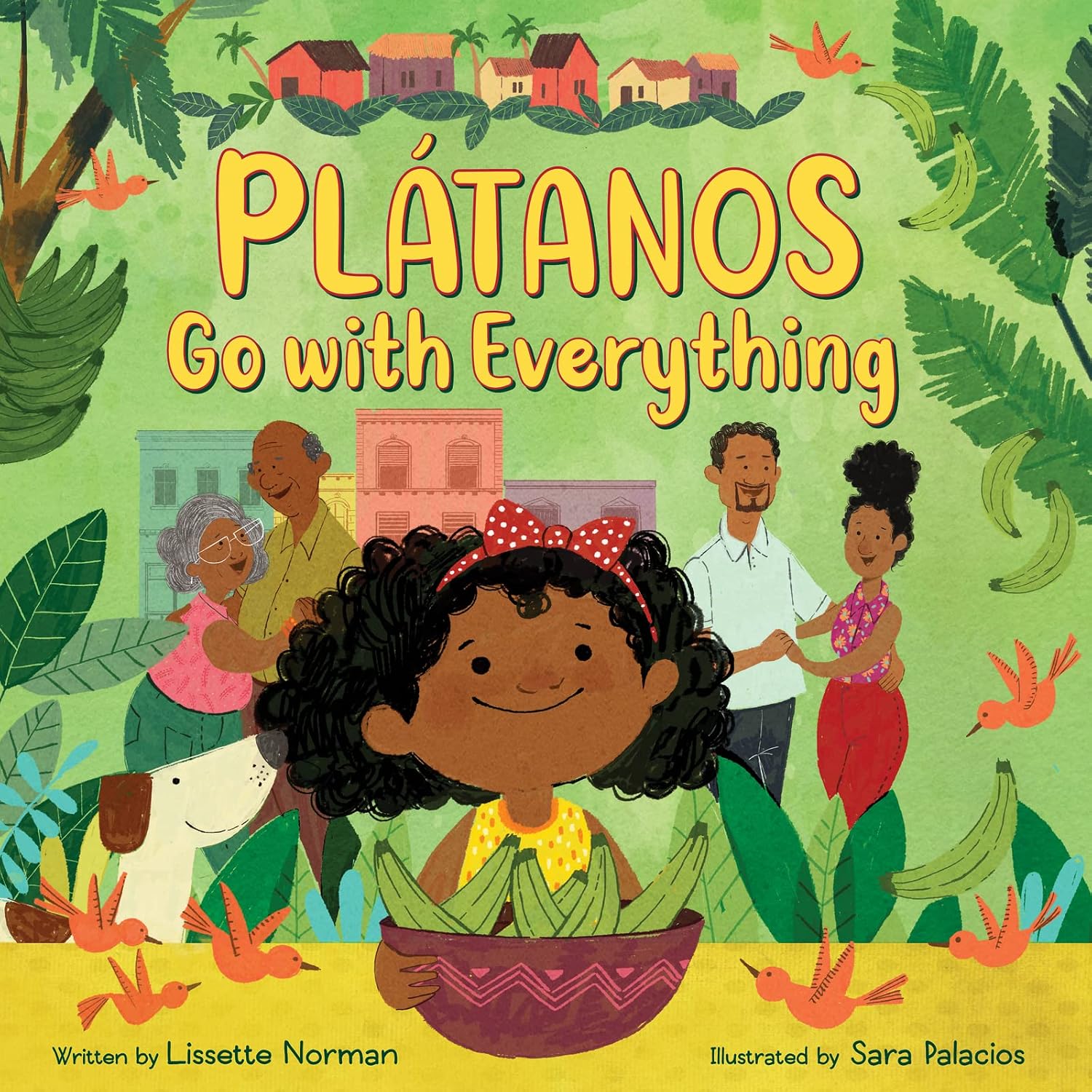
Picture Books
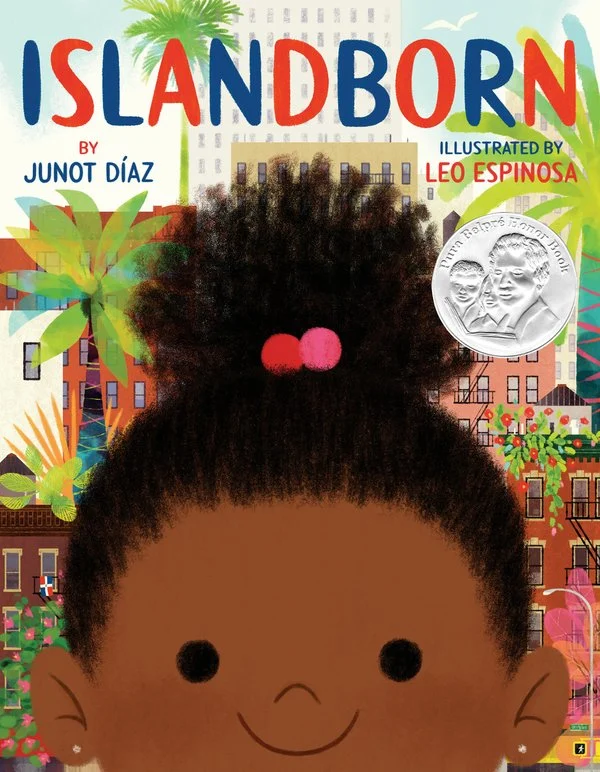
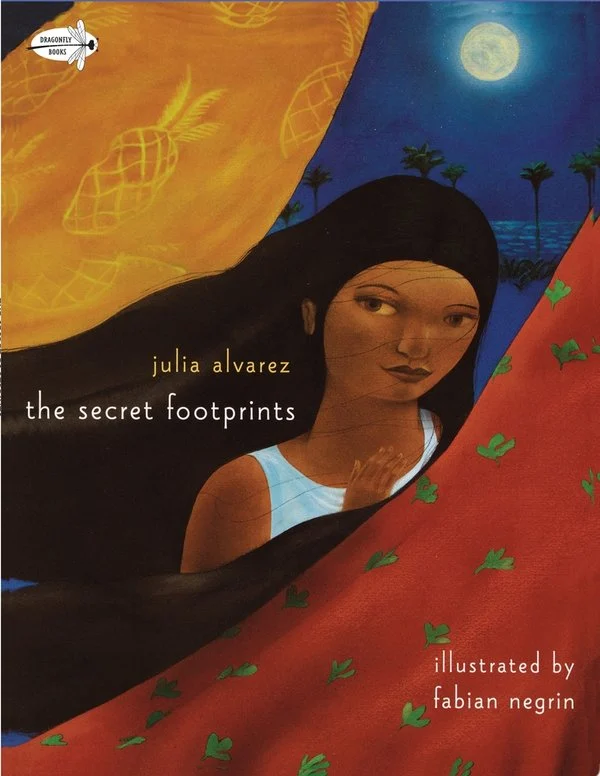
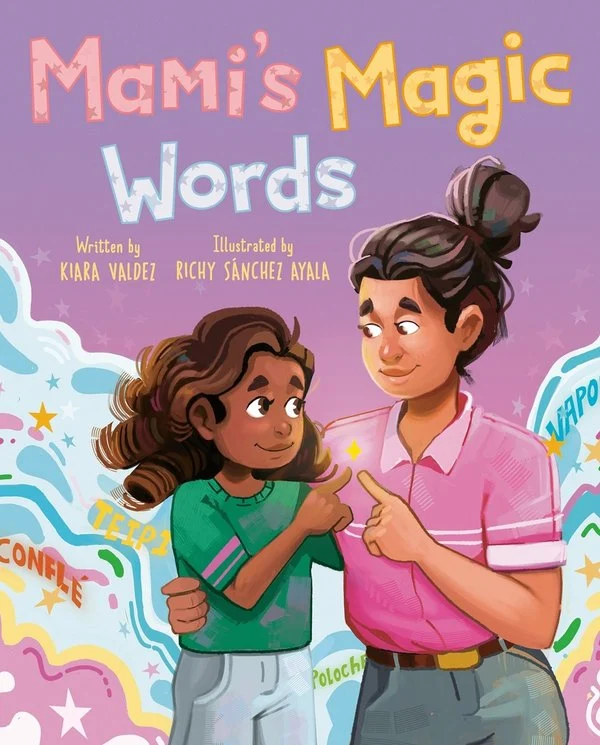
Recommended for grades K–4 and family read-alouds. Short, illustrated books suited to independent or shared reading; some explore subjects that older students can study more deeply.
Middle Grade
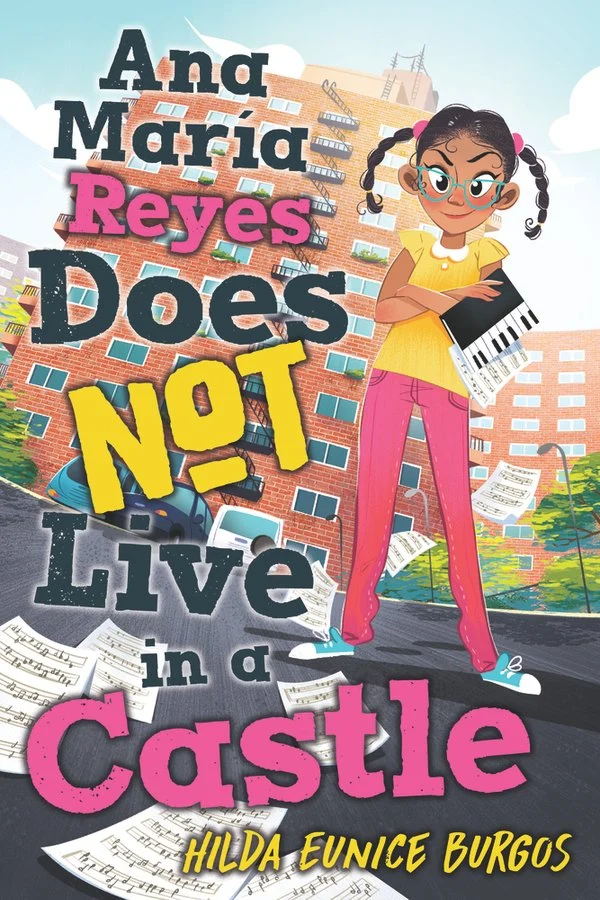
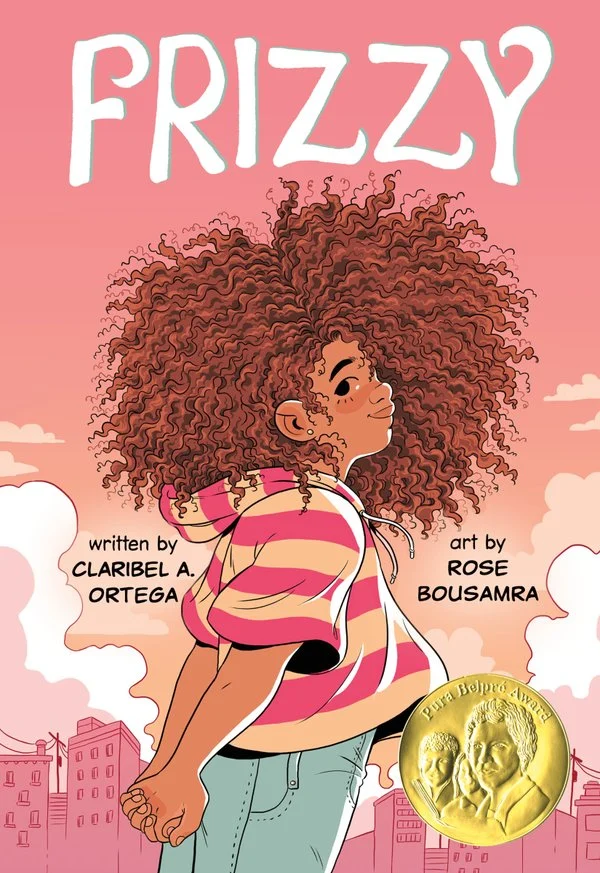
Middle Grade / Teen Crossover
Recommended for grades 6–9. Books that appeal across the middle-grade and early-teen years because of their subject matter, themes, or reading level.
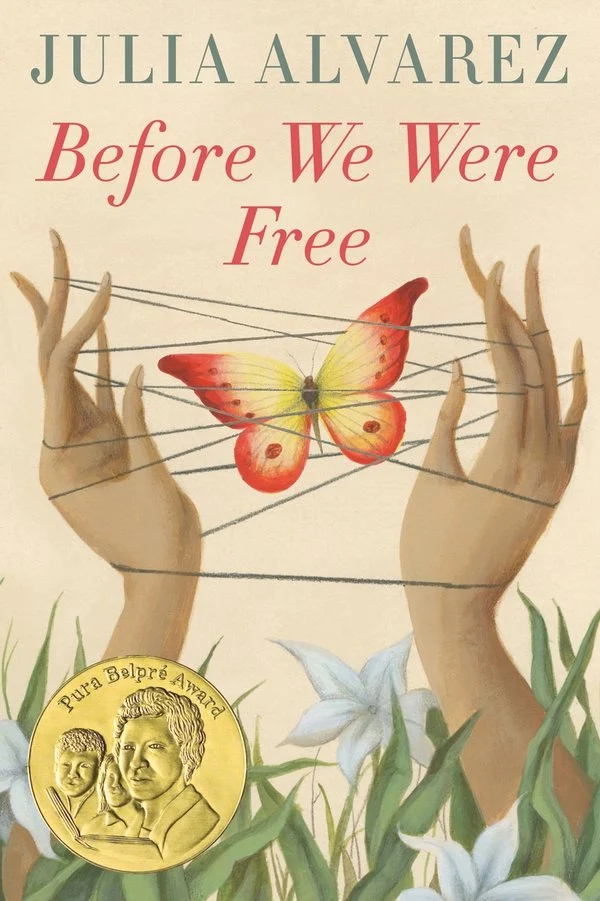
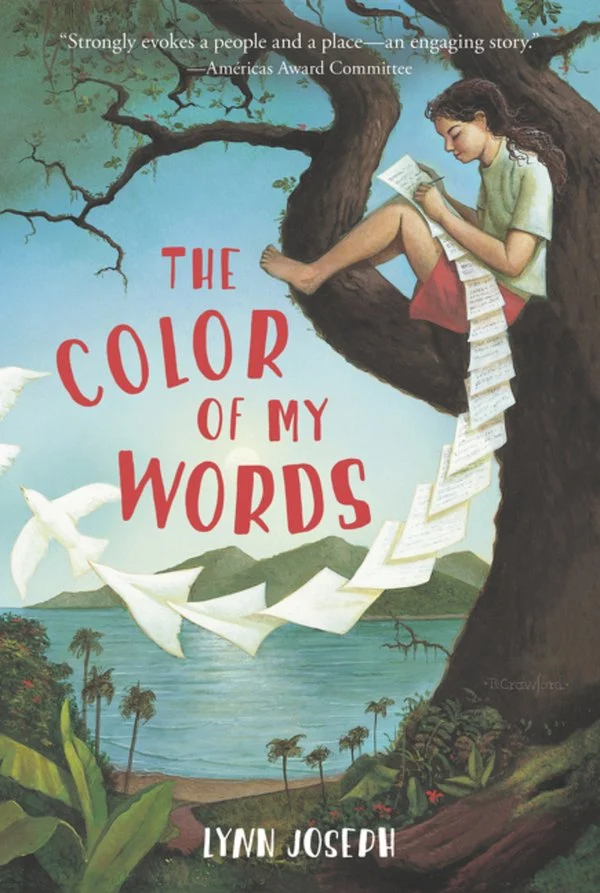
Grade 9 / Advanced
Recommended for grades 8–9 and up. More demanding in length, language, structure, subject matter, or required background knowledge.
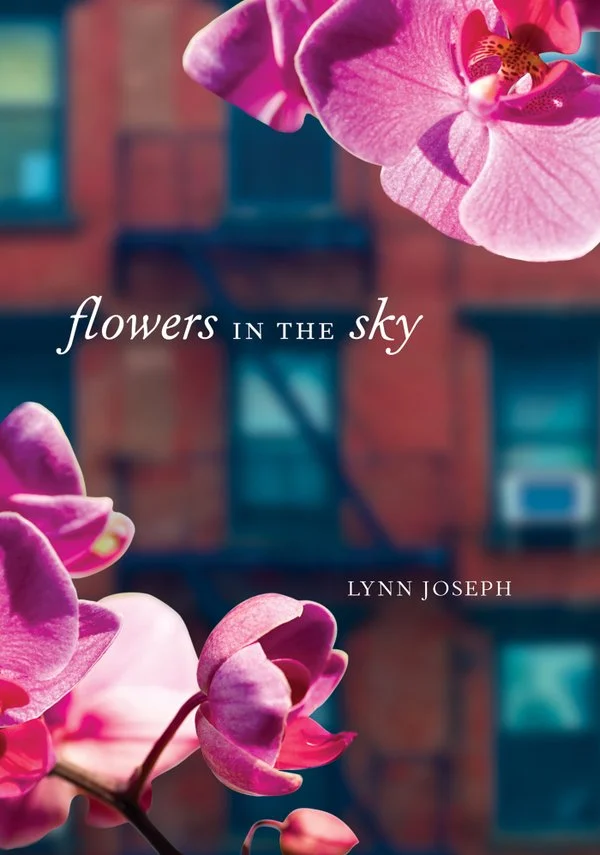
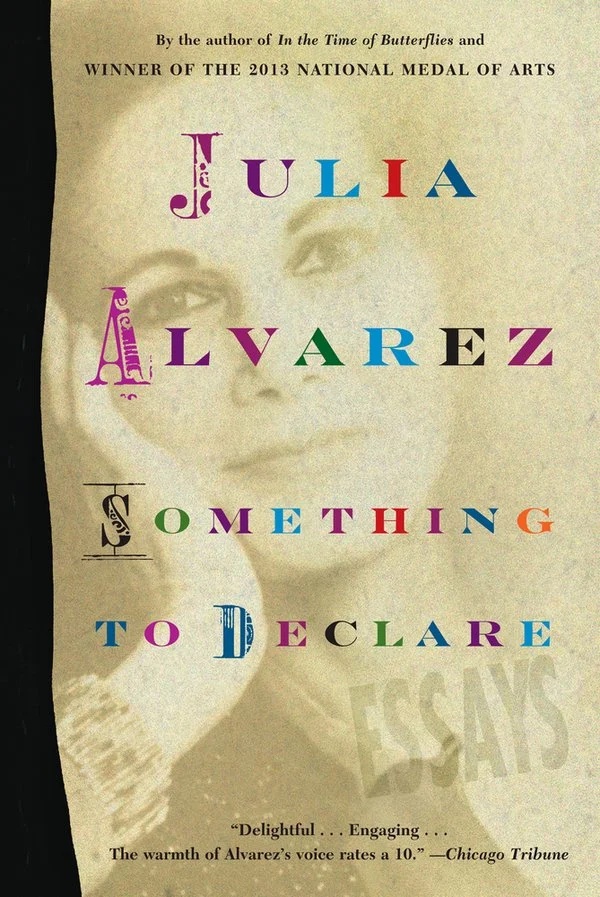
Reference Books
A note for parents
Grade recommendations are based on reading level, complexity, and intended audience. Because every student and family is different, please review the book descriptions and content notes, and preview titles as needed, to determine whether each selection is a good fit for your student and your family's values. Content notes identify potentially sensitive material but may not cover every concern.