Egypt
Africa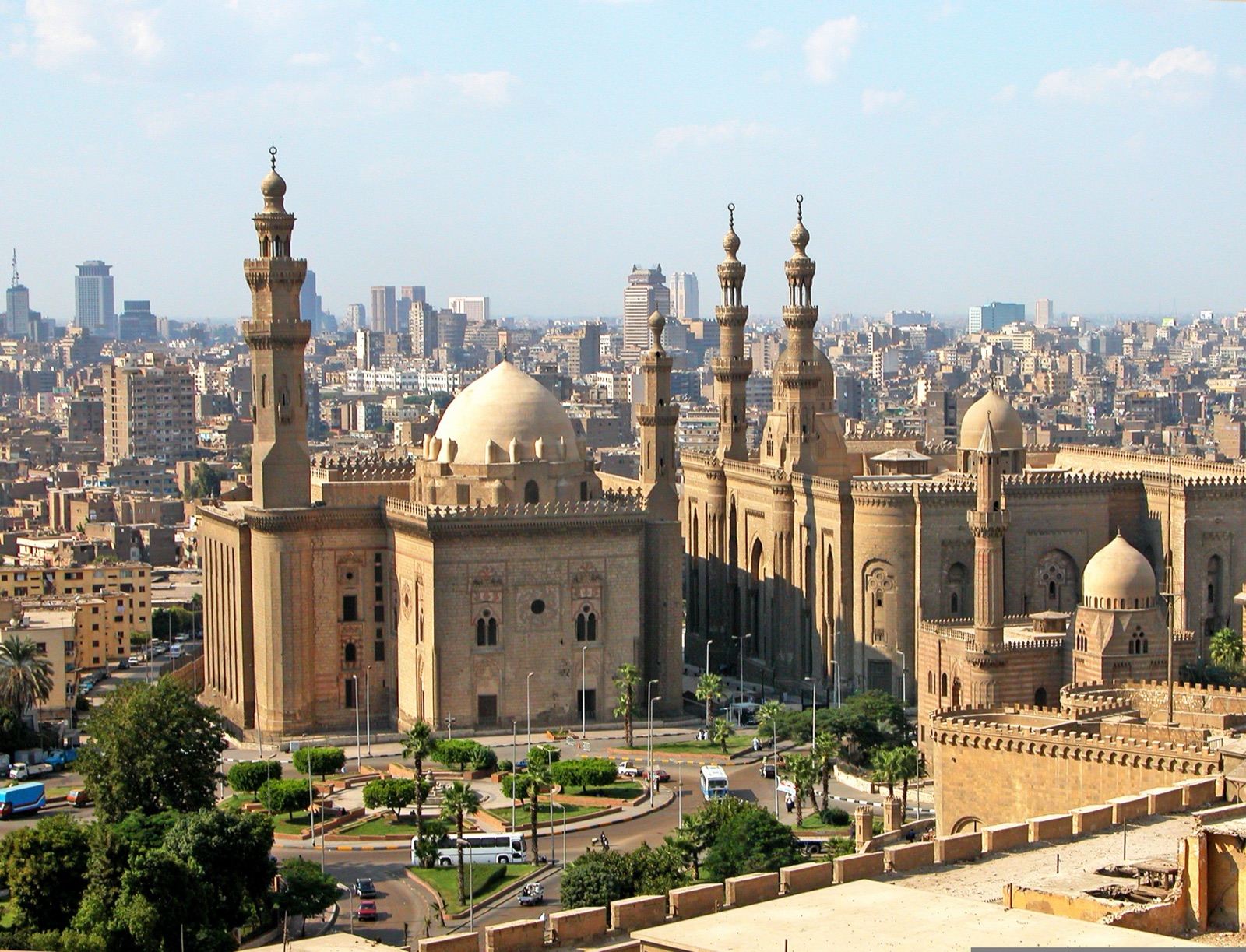
The Nile flows north through Egypt for more than 1,500 kilometers, creating a narrow green corridor through an otherwise dry landscape. For more than 5,000 years, its water and fertile riverbanks have supported farming and communities. Before modern dams controlled its flow, seasonal floods spread water and rich soil across the valley; today canals carry Nile water to farms and cities.
Most of Egypt is desert. West of the Nile, the vast Western Desert forms part of the Sahara and includes some of the driest places on Earth, while east of the river the land becomes rockier and more mountainous toward the Red Sea. In the northeast, a triangular desert peninsula called Sinai stretches into Asia, so Egypt has land in both Africa and Asia.
Egypt sits between the Mediterranean Sea to the north and the Red Sea to the east, placing it where Africa, Asia, and the Mediterranean world meet. For thousands of years, the Mediterranean connected Egypt with Europe, while Red Sea routes linked it with Arabia, East Africa, and lands around the Indian Ocean.
Near the Mediterranean, the Nile spreads into several branches across one of the world's largest river deltas, a broad green triangle of fertile farmland. Far out in the Western Desert, underground water supports isolated oases such as Siwa, Bahariya, and Dakhla, where farms and communities survive far from the Nile.
- In the middle of Egypt's Western Desert, enormous white rock formations rise from the sand like mushrooms, towers, and strange sculptures. Wind has carved the soft rock into the surreal landscape known as the White Desert.
- Egypt's Red Sea is lined with colorful coral reefs, and some are unusually good at surviving extreme heat. Scientists are studying them to understand why they can withstand temperatures that damage reefs elsewhere.
Although desert covers most of Egypt, nearly all of its cities and farmland cluster along the Nile and its delta—a narrow green ribbon through vast desert. More than 100 million people live on only a small fraction of the country's land because the river provides the water and fertile soil needed for farming and settlement.
The Nile gave ancient Egyptians water, fertile farmland, and a river route for moving people and goods. Successful farming supported large communities and a powerful government, whose rulers, called pharaohs, built temples, tombs, and pyramids. The river helped make one of the world's earliest major civilizations possible.
Egypt is part of the Arabic-speaking world, and most Egyptians are Muslim, but the country is also home to one of the world's oldest Christian communities. Egypt's Copts trace their roots back nearly 2,000 years. After Arab Muslim armies took control in the 600s, Arabic and Islam spread gradually over centuries while Coptic Christianity continued.
Greater Cairo is home to more than 20 million people, making it one of the world's largest urban areas. Along the Nile, pharaonic monuments, medieval mosques and churches, crowded markets, and modern apartment towers can all appear within the same sprawling cityscape. The pyramids of Giza rise at its western edge.
- There are roughly 30 major dialects of Arabic, and speakers from different regions can sometimes have trouble understanding one another. Yet millions of people across the Arab world understand Egyptian Arabic—even if they have never been to Egypt—because Egypt became the region's biggest center for film and entertainment. By the mid-1900s, Cairo studios were producing more than 100 films a year, helping Egyptian Arabic become familiar from Morocco to Iraq.
- Nubian communities have lived along the Nile in southern Egypt for thousands of years, with their own languages, art, and traditions. When the Aswan High Dam created a huge reservoir in the 1960s, many Nubian villages were flooded and families had to relocate.
The Suez Canal is a human-made waterway cutting across northeastern Egypt between the Mediterranean and Red Sea. It lets ships travel between Europe and Asia without sailing all the way around Africa, making the canal one of the world's most important shipping routes. Ships pay Egypt fees to pass through it.
Because rain is scarce, farmers use Nile water to grow crops on the narrow strip of fertile land beside the river and across the delta. Irrigation canals carry water to fields growing wheat, vegetables, fruit, cotton, and other crops.
Egypt draws visitors from around the world with an incredible variety of attractions—from pyramids and ancient temples along the Nile to colorful coral reefs in the Red Sea. Tourism built around these very different places is an important part of Egypt's economy.
Many Egyptians work abroad, especially in other Arab countries, and send part of their earnings home to relatives in Egypt. These payments are called remittances, and they help families pay for everyday needs while also bringing billions of dollars into Egypt each year.
- One enormous container ship blocked the Suez Canal for six days in 2021. The Ever Given became stuck sideways across the canal, leaving hundreds of ships waiting and showing how much world trade depends on this narrow route.
- Bread is so central to everyday life in Egypt that the Egyptian Arabic word for bread, ‘eish, also means "life." Egyptians eat bread with foods like beans, vegetables, dips, and stews, and the country buys enormous amounts of wheat from abroad because its own farms cannot grow enough for its huge population.
Recipes
For the whole familyEasy Ful Medames (Egyptian Fava Beans)
Ful medames is a staple of Egyptian breakfast tables and street-food shops. Fava beans are warmed and seasoned with ingredients such as cumin, lemon, garlic, tomato, and olive oil, then commonly eaten with bread. Similar bean dishes appear across the Middle East and North Africa, but ful has an especially central place in Egyptian everyday food culture.
What it is: Warm, savory fava beans seasoned with cumin, lemon, garlic, tomato, and olive oil.
Difficulty: Easy; using canned fava beans removes the soaking and long cooking required by traditional dried-bean versions.
Salata Baladi (Egyptian Cucumber-Tomato Salad)
Salata baladi, literally a country-style or local salad, is a familiar part of everyday Egyptian meals. Tomatoes, cucumbers, onions, herbs, lemon, and seasonings are chopped finely and mixed together. Similar chopped salads are eaten across the region, but this version is a common Egyptian table staple and pairs naturally with foods such as ful, grilled meats, and bread.
What it is: A crisp chopped salad of tomato, cucumber, onion, herbs, lemon, and seasonings.
Difficulty: Super easy; the main work is chopping, so younger learners may need adult help with the knife.
Traditional Games
All agesA choosing rhyme heard in streets and courtyards across Egypt. Children use it to decide who will take the first or special role in the game that follows, much as English-speaking children use “Eeny, meeny, miny, moe."
Activities
Under the Red Sea
Watch colorful reef fish move through coral in Egypt's Red Sea waters
Siwa: Green in the Desert
Explore palms, springs, salt lakes, villages, and dunes in one of Egypt's remote western oases
Build a Sugar Cube Pyramid
Stack sugar cubes into a pyramid and feel why this ancient shape has stayed standing for 4,500 years
Model the Nile Flood
Build a tinfoil river outside and flood it with a hose to see how the Nile's floods shaped ancient farmland
Paint Egypt from Above
Make a watercolor bird's-eye view of the Nile cutting through the desert — Egypt's most recognizable image from space
Clap an Egyptian Tabla Rhythm
Listen to a traditional Egyptian drum pattern and clap along — Egypt's tabla drives the rhythm of everything from folk music to weddings
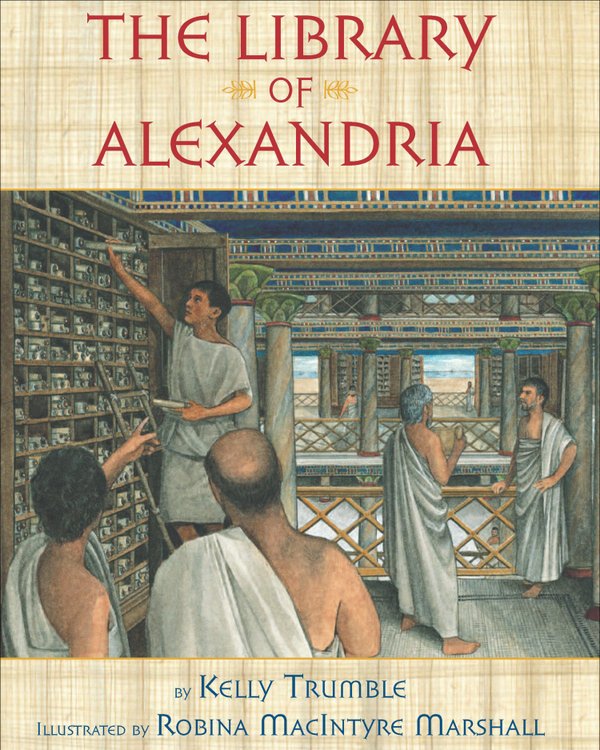
The Lighthouse of Alexandria: A Wonder Lost to the Sea
See real 2,000-year-old stone blocks being pulled from the sea where one of the Seven Wonders of the Ancient World collapsed
The Green Ribbon Through the Desert
Use a map or satellite view to see why so much of Egypt's population follows the Nile
Walk Through Modern Cairo
See street life, shops, traffic, historic buildings, and everyday movement in Egypt's enormous capital
Sing the Arabic Alphabet
Learn the 28 letters of the Arabic alphabet through a catchy sing-along video
The Rosetta Stone: How One Object Unlocked Ancient Egypt
Examine the Rosetta Stone, then use the British Museum's own hieroglyph chart to crack a real decoding puzzle
The Nile Before and After the Aswan High Dam
Locate the dam, Lake Nasser, and Abu Simbel on a map, then explore how the dam solved problems while creating new ones
Suez Canal Route-and-Trade Challenge
Compare shipping routes with and without the Suez Canal, then explain why this Egyptian waterway matters to global trade
Who Owns the Rosetta Stone?
Read both sides of the repatriation debate, then decide whether the Rosetta Stone belongs in Egypt or the British Museum
Cairo: A City Built Around Learning
Explore Historic Cairo's UNESCO listing and a PBS piece on Islamic science, then explain why scholars traveled here from three continents
The Aswan Dam's Hidden Cost: Nubian Displacement
Read a firsthand account of Nubian displacement, then weigh whether the dam's benefits were worth its human cost
Upstream and Downstream on the Nile
Trace a shared river across national borders and consider why water decisions in one country can matter in another
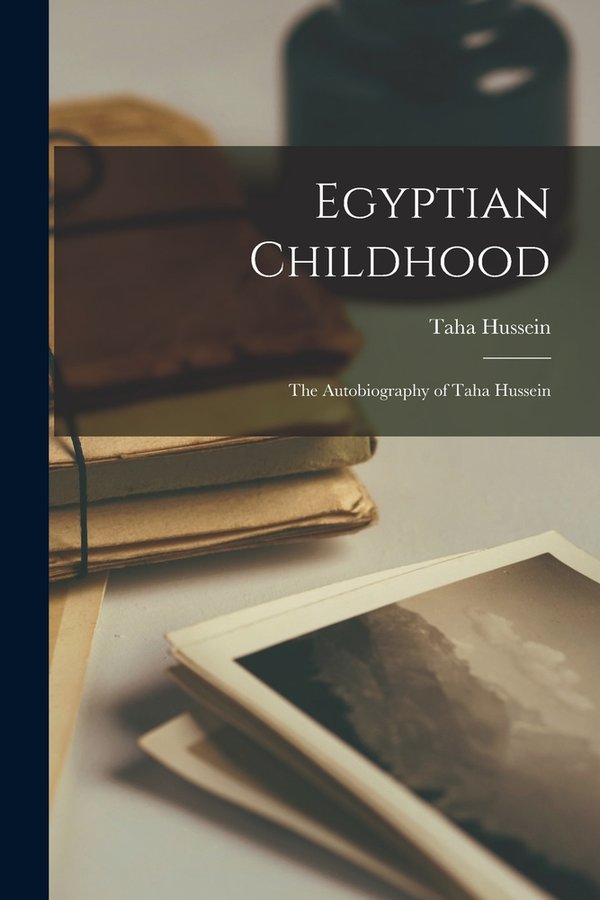
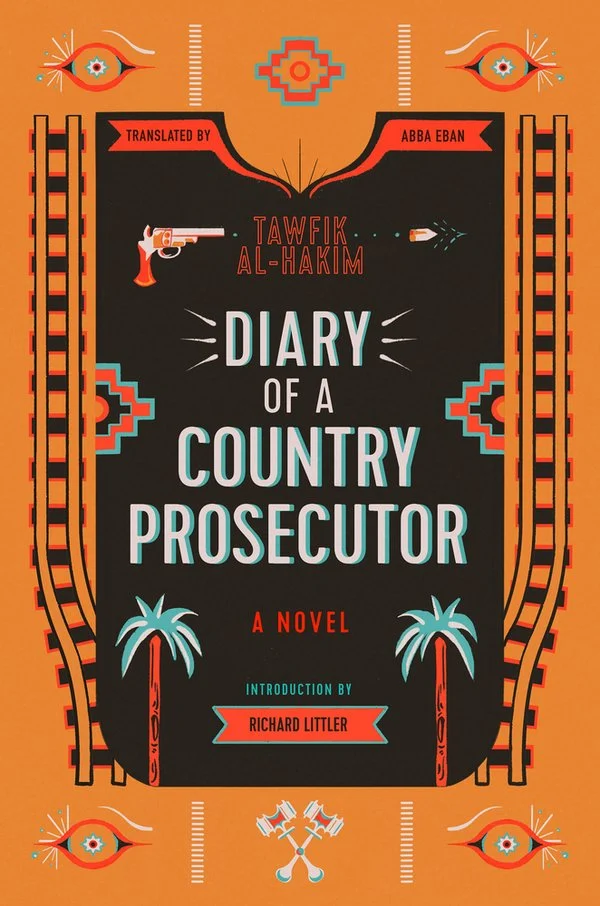
Village, Provincial, and Cairo Life in Two Egyptian Classics
Use two older works to compare rural life, provincial administration, education, and the pull of Cairo
Umm Kulthum: The Voice of Arab Nationalism
Watch a documentary on Egypt's most famous singer, then decide whether her partnership with Nasser's government was collaboration or co-optation
Tahrir Square to Military Rule: Egypt's Revolution and What Followed
Read a timeline of Egypt's 2011 revolution and its aftermath, then evaluate why the democratic opening didn't last
Camp David and the Price of Peace: Sadat, Israel, and the Arab World
Read about the Camp David Accords and Sadat's assassination, then weigh what peace with Israel cost Egypt politically
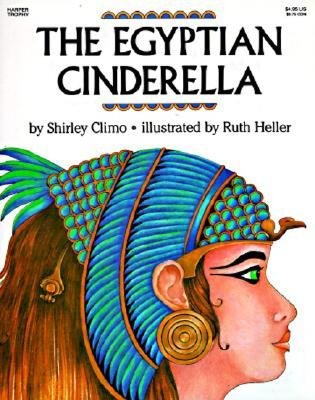
Picture Books
Recommended for grades K–4 and family read-alouds. Short, illustrated books suited to independent or shared reading; some explore subjects that older students can study more deeply.
Middle Grade
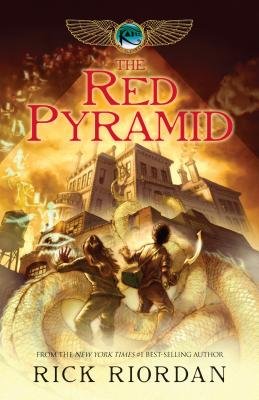
Middle Grade / Teen Crossover
Recommended for grades 6–9. Books that appeal across the middle-grade and early-teen years because of their subject matter, themes, or reading level.
Grade 9 / Advanced
Recommended for grades 8–9 and up. More demanding in length, language, structure, subject matter, or required background knowledge.
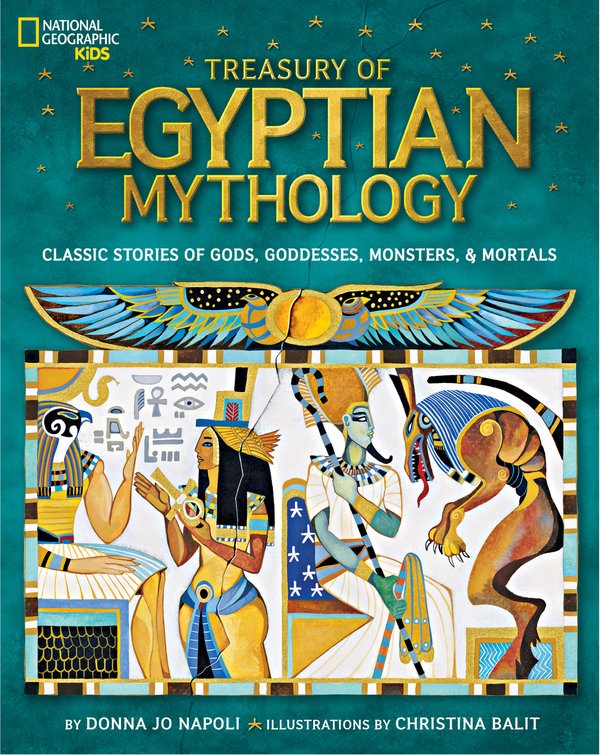
Reference Books
A note for parents
Grade recommendations are based on reading level, complexity, and intended audience. Because every student and family is different, please review the book descriptions and content notes, and preview titles as needed, to determine whether each selection is a good fit for your student and your family's values. Content notes identify potentially sensitive material but may not cover every concern.