Germany
Europe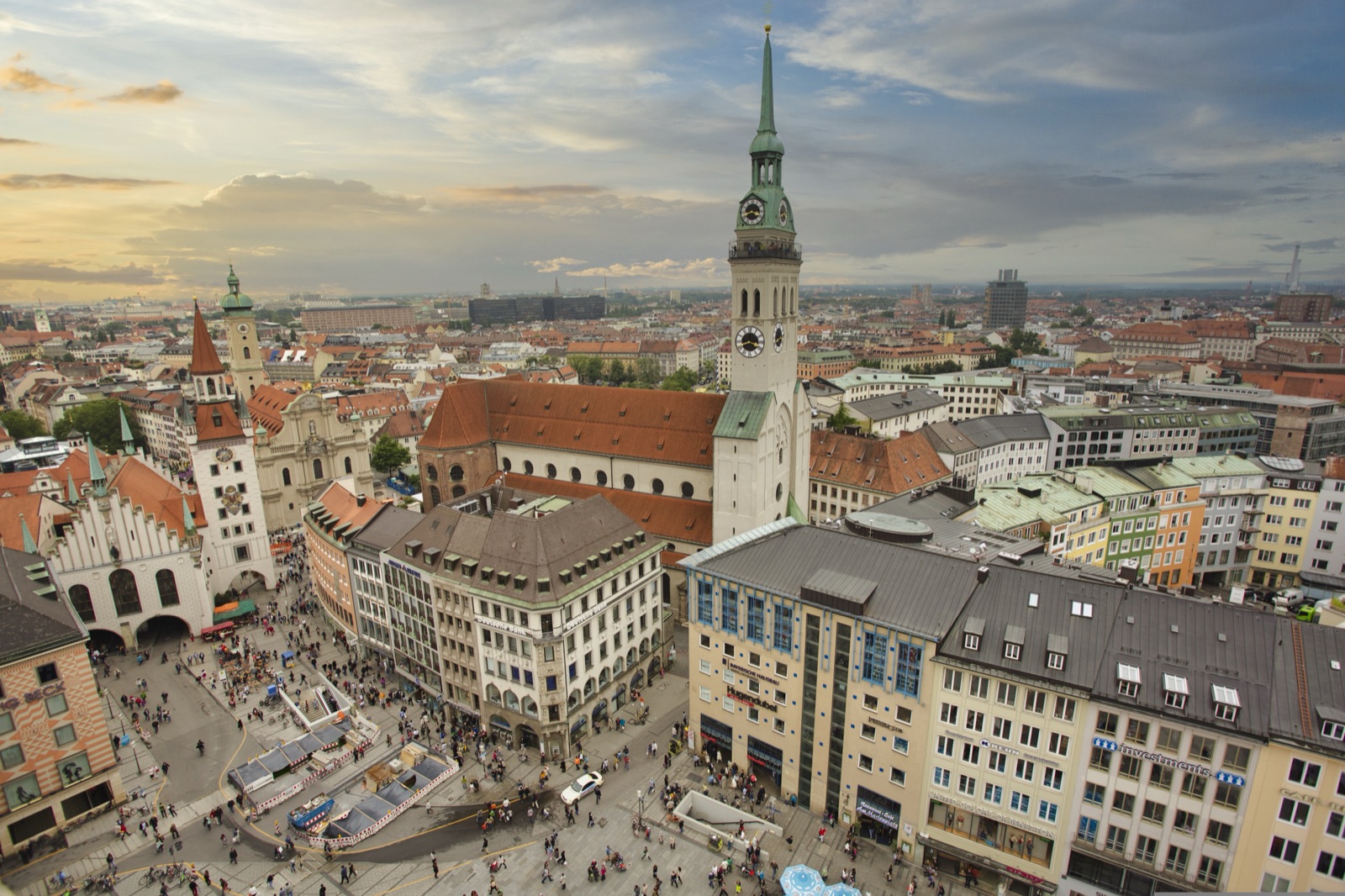
Germany has coastlines on two seas: the North Sea in the northwest and the Baltic Sea in the northeast. Along the North Sea, large tides expose wide areas of muddy seafloor at low tide, while the Baltic has much smaller tides and a coastline of bays, islands, and beaches. Both coasts are home to important ports that connect Germany with trade routes across Europe and the world.
Northern Germany is a broad, flat plain shaped by glaciers during the Ice Age, while the land rises into forested hills and mountains toward the south. About one-third of Germany is covered in forest, and its mild climate and year-round rainfall support farmland across much of the country.
The Bavarian Alps rise sharply along Germany's southern border, reaching 2,962 meters at the Zugspitze, Germany's highest mountain. Farther west, the Black Forest stretches across southwestern Germany in a landscape of forested mountains, deep valleys, farms, and small towns. On a clear day from the Zugspitze, visitors can see mountains in Germany, Austria, Switzerland, and Italy.
Three of Europe's major rivers—the Rhine, Danube, and Elbe—flow through or begin in Germany, connecting the country with regions far beyond its borders. The Rhine travels north through western Germany, passing steep vineyard-covered hills, castles, and major industrial cities as boats carry goods toward ports farther downstream. The Danube begins in southern Germany and flows east across Central and Southeastern Europe toward the Black Sea. The Elbe flows through eastern and northern Germany before reaching the North Sea.
- Along Germany's North Sea coast, the tide goes out so far that people can walk across parts of the seafloor. At low tide, guided walks lead across wide mudflats where crabs, mussels, worms, and other sea life can be found. A few hours later, the tide returns and the same ground is underwater again.
- On Germany's Baltic Sea island of Rügen, enormous white chalk cliffs rise above the sea. The chalk formed millions of years ago from the remains of tiny sea organisms, and as waves and weather wear away the cliffs, fossils such as sea urchins and shells can be uncovered.
Germany's major cities serve very different functions: Berlin is the political capital, Hamburg grew around one of Europe's busiest ports, Frankfurt is a major financial and transportation center, and Munich is a major center for business, culture, and industry. In western Germany, the Rhine-Ruhr region is a densely populated area made up of many neighboring cities.
Regional identity remains strong across Germany, and traditions can change noticeably from one state to another. Bavaria in the south is known for Alpine villages and clothing such as lederhosen and dirndls, while Schleswig-Holstein in the north has traditions shaped by fishing, maritime life, and ties with neighboring Denmark.
German can sound noticeably different from one region to another. Local accents and dialects vary enough that speakers may recognize where someone is from by the way they speak.
As West Germany's economy grew rapidly in the 1950s and 1960s, the country recruited workers from Italy, Greece, Turkey, Yugoslavia, and other countries to fill jobs. Many stayed and raised families in Germany. More recent arrivals have included people from elsewhere in the European Union and refugees from conflicts such as those in Syria and Ukraine.
- The Brothers Grimm did not invent many of the fairy tales that made them famous. In the early 1800s, Jacob and Wilhelm Grimm collected stories that people in German-speaking communities had been telling for generations, including versions of Rapunzel, Hansel and Gretel, Snow White, and Rumpelstiltskin.
- Near the Black Forest town of Triberg stands a cuckoo clock more than 15 meters (about 50 feet) high, with a mechanism large enough for visitors to walk inside. The region has been famous for clockmaking, especially cuckoo clocks, for centuries.
Germany has Europe's largest economy, built in large part on advanced manufacturing. German factories produce cars from companies such as Volkswagen, BMW, and Mercedes-Benz, along with machinery, chemicals, medicines, and electrical equipment. Germany is also known for its Mittelstand: thousands of small and medium-sized companies, many family-owned, that specialize in manufactured products sold around the world.
Coal deposits and river transportation helped turn Germany's Rhine-Ruhr region into one of Europe's largest industrial and urban areas. The region lies around the Rhine and Ruhr rivers, where coal helped mining, steelmaking, and other industries grow while rivers and canals provided routes for moving raw materials and manufactured goods. As mines and factories expanded, nearby towns grew into cities such as Essen, Dortmund, and Duisburg. Today, so many cities and towns lie close together that the Rhine-Ruhr is Germany's largest metropolitan region.
Germany shares land borders with nine countries, placing it at a crossroads between northern, southern, eastern, and western Europe. Roads and railways cross those borders in every direction, while rivers such as the Rhine and Danube provide additional routes between countries.
People can cross most of Germany's land borders with neighboring countries without routine passport checks. Germany is part of the Schengen Area, a group of European countries that generally allows people to travel across their shared borders without those checks. Germany also belongs to the European Union and uses the euro, the same currency as many of its neighbors.
- Many stretches of Germany's Autobahn highway network have no general speed limit. On those sections, drivers are not given one maximum legal speed, although speed limits still apply in many other places and can be imposed for traffic, construction, weather, or safety.
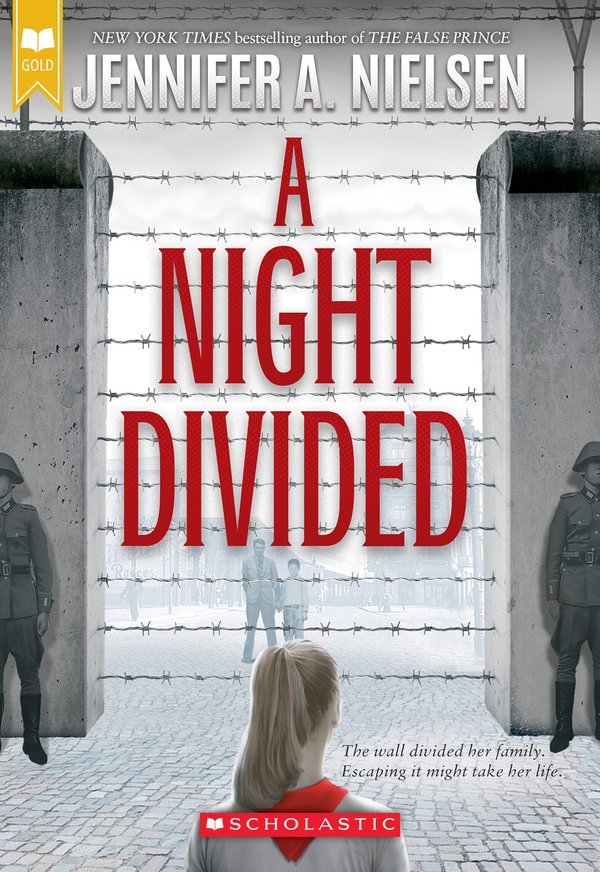
- Germany was two separate countries for 41 years after World War II. East and West Germany reunified in 1990, less than a year after the Berlin Wall opened and crowds began crossing freely between the two sides of Berlin.
Recipes
For the whole familyKartoffelpuffer (Potato Pancakes)
Crisp potato pancakes are eaten across Germany under regional names including Kartoffelpuffer and Reibekuchen. They are everyday home, market, and festival food and are often served with applesauce; potato pancakes also belong to wider Central and Eastern European food traditions.
What it is: Grated potato-and-onion pancakes pan-fried until crisp, commonly served with applesauce.
Difficulty: Easy to moderate; an adult should handle grating and frying.
Gurkensalat (German Cucumber Salad)
Cucumber salads are common home cooking in Germany, with versions ranging from vinegar-and-oil dressings to creamy dill dressings. This northern-style creamy version is a quick everyday side rather than a holiday dish.
What it is: Thin cucumber slices in a cool, tangy dressing with dill.
Difficulty: Super easy; slice, mix, and chill.
Soft Pretzels (Brezeln)
Soft pretzels have deep Central European roots and are especially associated with southern Germany, including Bavaria and Swabia. They are common bakery and snack food and also appear at festivals; pretzel traditions extend into Austria, Switzerland, and Alsace.
What it is: Chewy yeast-dough pretzels with a glossy brown crust and coarse salt.
Difficulty: More involved because the dough must rise, be shaped, dipped, and baked; use the recipe's baking-soda option rather than food-grade lye for a family kitchen.
Traditional Games
All agesA long-standing German children’s party game in the blind-man’s-buff family.
A familiar children’s race used at German birthday parties, school sports days, and family festivals, although sack races are played in many countries.
Activities
Clapping Song: "Backe, Backe Kuchen"
Clap along with a German children’s baking rhyme and learn one German word.
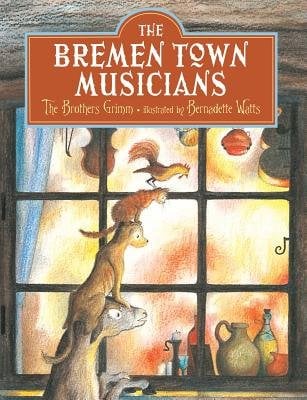
Make the Bremen Town Musicians' Band
Build four simple homemade instruments—one for each animal—then play them together just like in the story
A Patchwork Balloon for Freedom
Look at the real homemade balloon two East German families used to escape to West Germany, then create a patchwork paper balloon of your own.
Build a Castle from Cardboard Boxes and Tubes
Germany has more medieval castles than almost any country on earth — build one from cardboard and toilet paper tubes
Germany from North Sea to Alps: Photo Exploration
Browse real photos of Germany's coast, plains, uplands, and Alps to see how the landscape changes completely from north to south
Germany from the North Sea to the Alps
Map Germany from its flat northern coasts to the Alps and see how its landscape changes from north to south.
Print Like Gutenberg
Make repeated prints and discover why movable-type printing changed how quickly words and ideas could spread.
Dance Tutorial: Schuhplattler
Try the stomps, claps, and rhythmic slaps associated with an Alpine dance tradition.
Berlin Then and Now: Getting Around a Big City
Compare streets and public transportation in 1920s Berlin with the modern capital.
Beethoven's Ninth and the Anthem Without Words
Listen to 'Ode to Joy' — written by a deaf composer — and discover why 27 countries share it as a single anthem.
Follow a Cargo Route Down the Rhine
Trace a cargo route along the Rhine River to see how one waterway links German cities, farming regions, industry, neighboring countries, and the North Sea.
Berlin Inside East Germany
Map East and West Germany and discover why West Berlin was surrounded by East Germany.
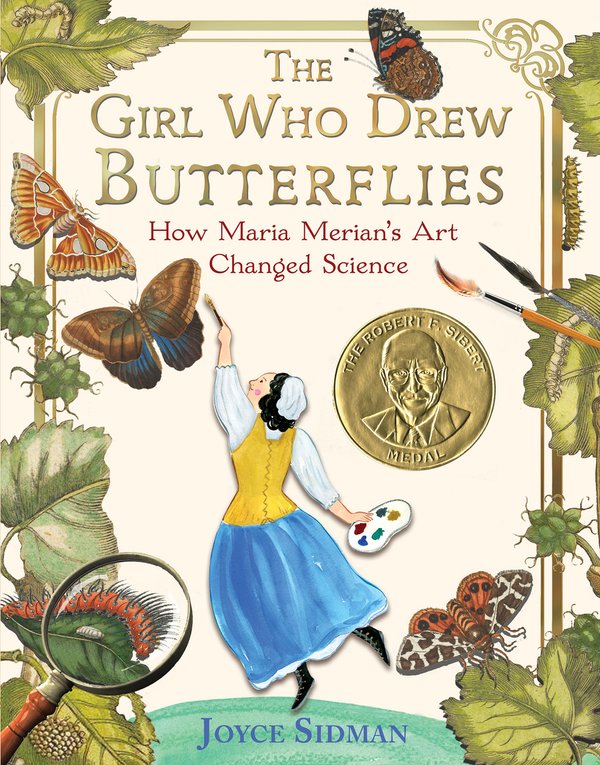
Draw Like a Scientist: Maria Sibylla Merian
Study how one German-born naturalist drew insects together with the plants and life stages she observed.
Bauhaus: Design for a Purpose
Take a virtual tour of the real Bauhaus building and its color-shape theory, then redesign an everyday object using geometry, clarity, and function rather than decoration alone.
Meet the Sorbs of Lusatia
Discover a Slavic minority whose languages and traditions are part of eastern Germany.
Printing, Wittenberg, and the Reformation
Use real printing statistics to see how far Luther's ideas outpaced the Catholic response — and why some historians call him history's first person to "go viral."
Before Germany Was One Country
Compare historical maps to see how many separate territories eventually became modern Germany.
Nazi Germany: Persecution, Conformity, and Resistance
Use museum evidence to examine both the reach of dictatorship and the choices of people who resisted it.
From the Berlin Wall to Reunification
Follow the sequence from peaceful protest to the opening of the Wall and reunification in 1990.
Germany as an Immigration Country: The “Guest Worker" Story
Trace how workers recruited from Türkiye for temporary jobs became families and communities that helped shape modern Germany.
Germany’s Energy Transition
Compare where Germany generates different kinds of electricity and ask why moving power across the country is a geography problem.
Five German Cities, Five Different Roles
Compare five German cities to see how rivers, coasts, transportation, and political history helped give each a different role.
Picture Books
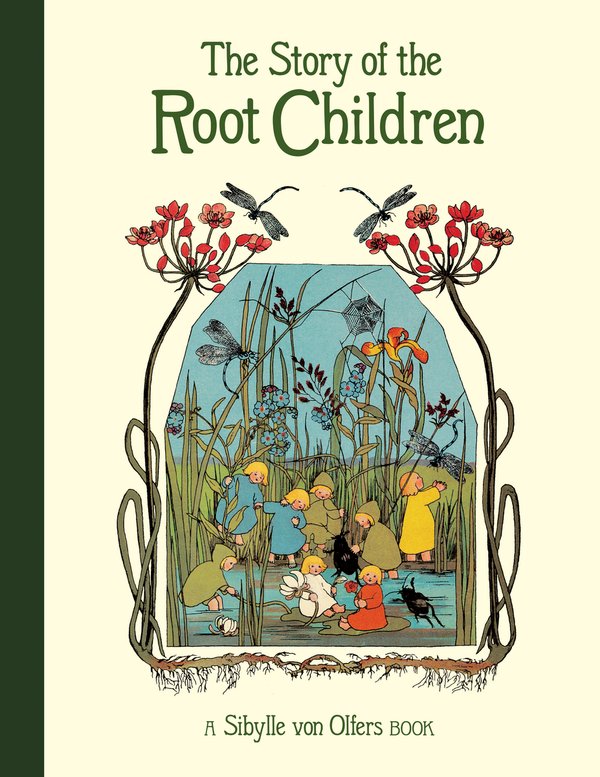
Recommended for grades K–4 and family read-alouds. Short, illustrated books suited to independent or shared reading; some explore subjects that older students can study more deeply.
Middle Grade
Middle Grade / Teen Crossover
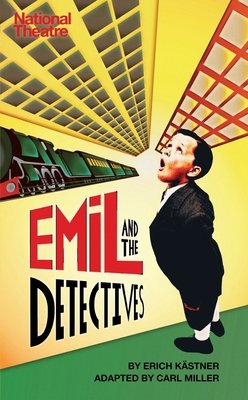
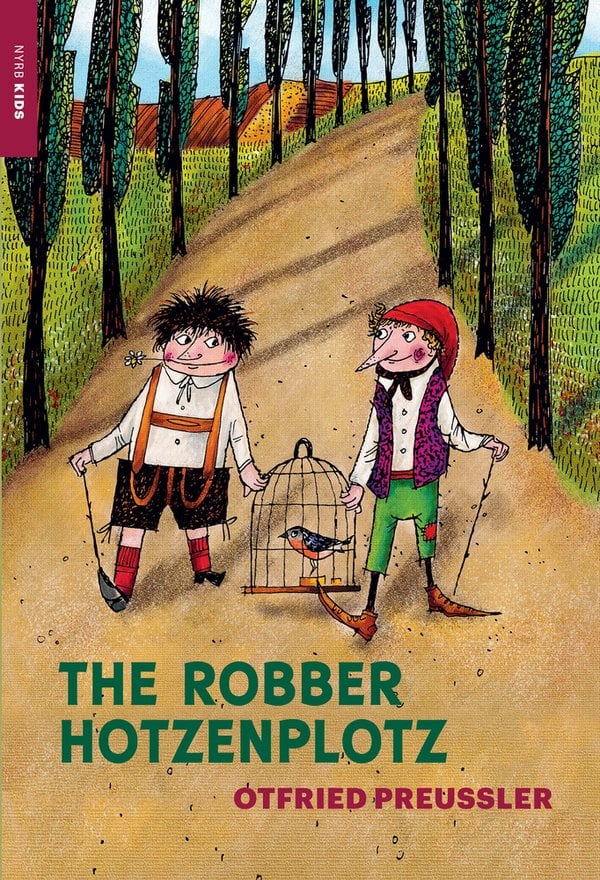
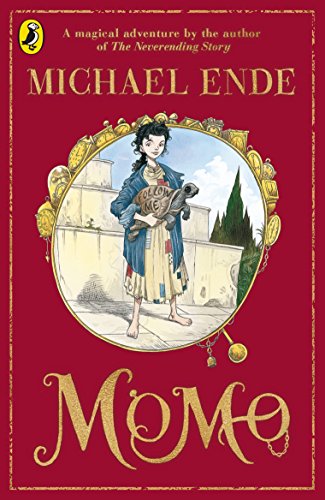
Recommended for grades 6–9. Books that appeal across the middle-grade and early-teen years because of their subject matter, themes, or reading level.
Grade 9 / Advanced
Recommended for grades 8–9 and up. More demanding in length, language, structure, subject matter, or required background knowledge.
Reference Books
A note for parents
Grade recommendations are based on reading level, complexity, and intended audience. Because every student and family is different, please review the book descriptions and content notes, and preview titles as needed, to determine whether each selection is a good fit for your student and your family's values. Content notes identify potentially sensitive material but may not cover every concern.