Greece
Europe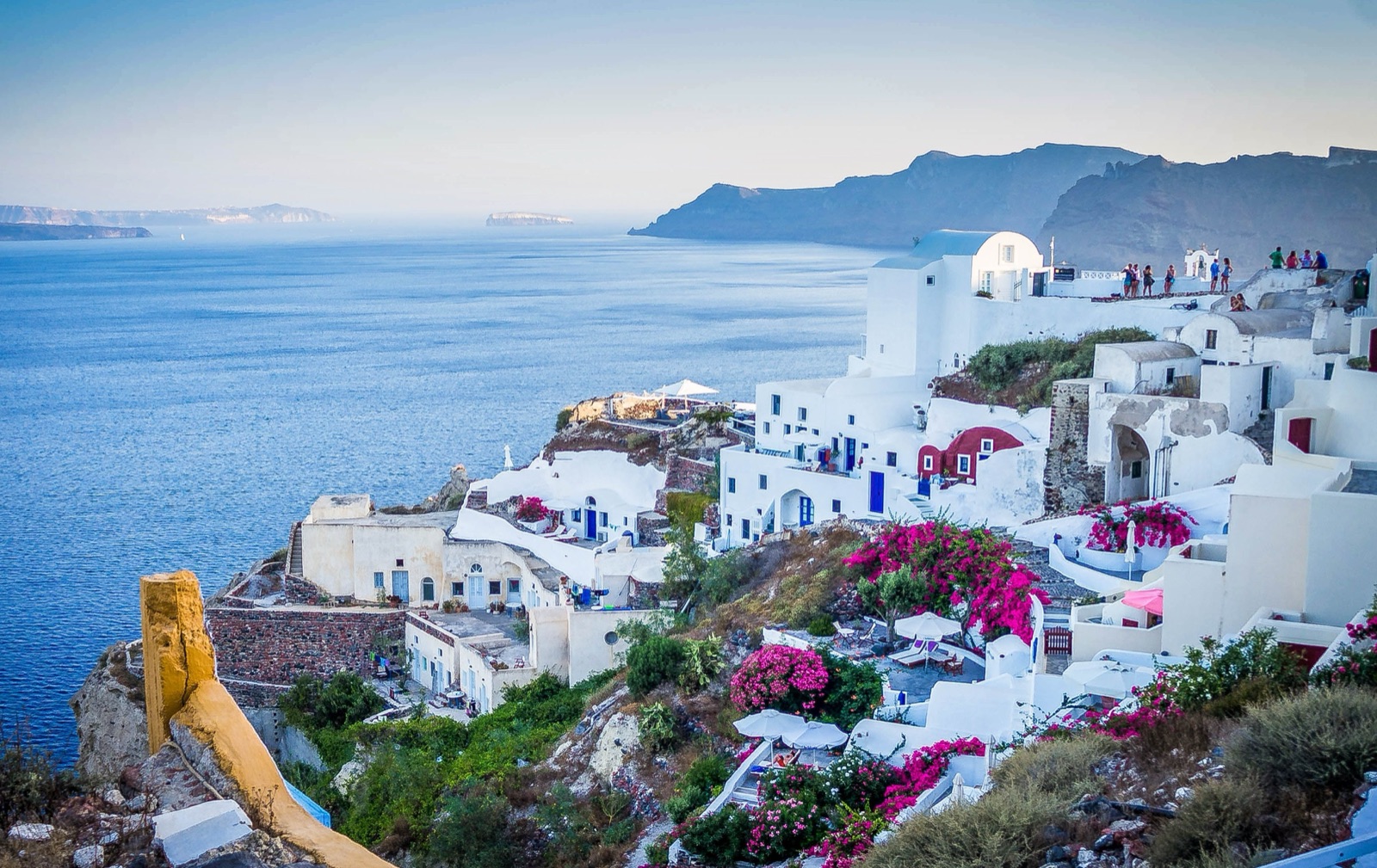
Greece is almost entirely surrounded by sea: the Aegean to the east with its thousands of islands, the Ionian to the west, and the Mediterranean to the south. Its coastline stretches over 13,600 km, one of the longest in Europe despite the country's relatively small land area.
Mount Olympus (2,917 m), Greece's highest peak, was believed in ancient times to be home to the 12 Olympian gods. Its cloud-capped summit seemed an appropriate divine residence. The Pindus range runs like a spine through the mainland, making overland travel historically difficult.
The Greek landscape is classic Mediterranean: dry, rocky hillsides covered in wild herbs, olive groves, and maquis scrub, with fertile valleys in between. The islands vary enormously — some lush and forested, others nearly bare limestone rock rising from a brilliant blue sea.
The Aliakmon in the north is Greece's longest river at around 297 km; the Evros forms the eastern border with Turkey. Most Greek rivers are short and seasonal — full and fast in winter rains, nearly dry in the long summer drought.
- Greece has over 6,000 islands and islets, of which only about 220 are inhabited. Its coastline of over 13,600 km is longer than France's — remarkable for a country about the size of Alabama.
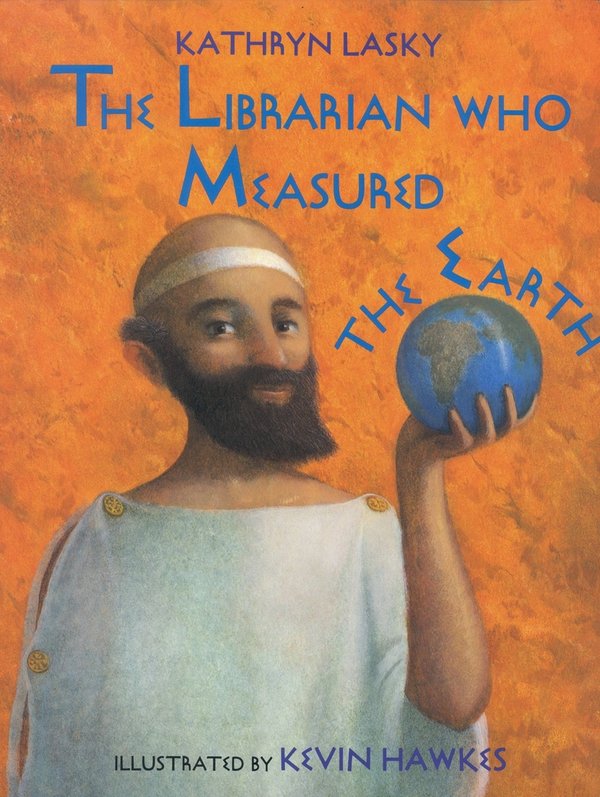
- Ancient Greeks noticed that ships disappear hull-first over the horizon and that different stars are visible at different latitudes — leading Aristotle to correctly conclude the Earth is a sphere, around 350 BCE, over 1,800 years before Columbus sailed.
Greece has about 11 million people, with nearly half living in the Athens and Thessaloniki metro areas. The islands are sparsely populated year-round but swell dramatically with tourists each summer — on some islands, summer visitors outnumber permanent residents by 10 to 1.
About 90% of Greeks identify as Greek Orthodox Christian. The Orthodox Church is woven deeply into national identity, naming customs, and the calendar — Easter (Pascha) is the most important holiday and is celebrated with late-night liturgies, fireworks, and lamb roasted on spits.
Greek has a documented written history of over 3,400 years — one of the longest of any living language. Modern Greek evolved from ancient forms; the same word for "sea" (thalassa) appears in Homer's Odyssey and on signs at the Athens harbor today.
Ancient Greece gave the Western world theater, philosophy, the Olympic Games, and democratic ideals. Modern Greece has a vibrant living culture: rebetiko and laiko music, circle dances like kalamatianos and sirtaki, blue-domed island architecture, and a cuisine built on olive oil, legumes, seafood, and fresh vegetables.
- A Greek child today can partially read inscriptions carved on temple walls 2,500 years ago — modern Greek uses the same alphabet and many of the same root words as ancient Greek, making it one of history's most remarkable examples of linguistic continuity.
- Greece has 18 UNESCO World Heritage Sites — one of the highest counts in Europe — including the Acropolis, Delphi, Olympia, and the medieval city of Rhodes.
Tourism is Greece's dominant industry, drawing roughly 30 million visitors per year and contributing about 20% of GDP. Agriculture (olives, grapes, citrus) and shipping round out the economy. Greece experienced a severe debt crisis from 2010 to 2018, during which GDP shrank by about 25%.
Despite being a small country, Greece controls one of the world's largest commercial shipping fleets — Greek-owned vessels carry an estimated 20% of global maritime cargo tonnage. This maritime tradition stretches back thousands of years to ancient Athenian sea trade.
Greece is a parliamentary republic. It was the birthplace of democracy in Athens around the 5th century BCE, though modern Greek democracy was only fully restored in 1974 after a seven-year military dictatorship (the "Junta"). Greece has been a NATO member since 1952.
Greece joined the EU in 1981 as its tenth member and adopted the euro in 2001. Its position at the southeastern corner of Europe — on the Aegean Sea, bordering Turkey — has made it a front-line state for migration and a geopolitical crossroads between Europe, the Middle East, and North Africa.
- Greek-owned shipping companies control approximately 20% of the world's total merchant fleet tonnage — making this country of 11 million people one of the largest maritime powers on Earth.
- During the 2010–2018 debt crisis, Greece's economy contracted by roughly 25% — one of the deepest peacetime economic collapses in modern European history, comparable in scale to the U.S. Great Depression.
Recipes
For the whole familyGreek Yogurt with Honey & Walnuts
Yogurt, honey, and walnuts are familiar ingredients in Greece, where thick strained yogurt is commonly eaten at breakfast or as a snack or dessert. The combination is simple rather than ceremonial and reflects the everyday use of yogurt, nuts, and honey in Greek food culture.
Thick Greek yogurt topped with honey and chopped walnuts for a simple breakfast, snack, or dessert
Difficulty: Super easy; it has three ingredients and requires no cooking
Spanakopita
Pies filled with greens, cheese, meat, or other ingredients are made in many parts of Greece, with recipes changing from region to region and household to household. Spanakopita combines spinach or other greens with feta and herbs inside thin phyllo pastry. It is eaten at home and sold in bakeries, making it part of everyday contemporary Greek food culture as well as a dish associated internationally with Greece.
A savory pie of spinach, feta, herbs, and seasonings enclosed in crisp layers of phyllo pastry
Difficulty: More involved because the filling and multiple delicate pastry layers must be assembled before baking
Traditional Games
All agesTry a jacks-style game played with small pieces, inspired by games known from ancient Greek childhood. Archaeological objects and museum collections show that knucklebones, spinning tops, dolls, and balls were part of childhood in ancient Greece.
Roll a hoop along a course to try a form of active play known to children in ancient Greece. Images and written evidence show children driving a hoop forward with a stick, much as children in later periods have rolled hoops along streets and playgrounds.
Activities
Build Greece: Mountains, Sea, and Islands
Build a simple model of Greece to see why mountains, coastlines, and islands are such a big part of the country
King Midas and the Golden Touch
Hear the story of King Midas, then turn a few small objects "gold" and talk about what really matters
Taste Olive Oil and Meet the Olive Tree
Look at how olives grow on trees, then taste olive oil and compare black, purple, and green olives
Make a Greek Laurel Wreath
Cut and shape a wreath from green felt or paper leaves — the symbol of victory given to winners at the ancient Olympics
Clap and Dance the Kalamatianos
Learn the basic step of Greece's most beloved folk dance — a seven-beat circle dance danced at celebrations across the country
Map Greece's Mountains, Peninsulas, and Islands
Map Greece's mainland, seas, and major islands to see why boats and local regions became so important
Read an Ancient Greek Vase Like a Story
Examine a real painted vase for clues about ancient life, then design a scene that could be “read” without words
Explore Athens Central Market
Browse a busy Athens food market and see how fish, produce, olives, cheese, herbs, and other foods connect the capital with regions across Greece
Hold a Mini Ancient Olympics
Run, jump, and throw while comparing a few ancient Olympic events with the international Games held today
From Olive Tree to Olive Oil
Follow an olive from tree to mill and sequence the steps that turn a bitter fruit into one of Greece's most important foods
How Did People Build Monasteries on Meteora's Rock Towers?
Examine monasteries perched high on sandstone pillars, then build a simple pulley to see how monks once hauled people and supplies up the cliffs
Learn the Pattern of Kalamatianos
Watch a real kalamatianos performance, count its seven-beat rhythm, and try the first repeated steps as a group
Explore Ancient Athens as a Working City
Tour the Acropolis, Agora, theater, streets, and homes to see how religion, politics, trade, performance, and daily life occupied different spaces
Greece on Shaking Ground
Map earthquakes and active faults to see why seismic activity is part of Greece's physical geography
Samos: A Greek Island Beside Türkiye
Map Samos beside Türkiye and compare its distance from neighboring Türkiye with mainland Greece
Read a Byzantine Mosaic in Thessaloniki
Examine a real Byzantine mosaic and use its setting, materials, figures, and symbols as evidence about medieval Greek life and belief
Modern Greece Wildfire Map Briefing
Study real maps, satellite images, and before-and-after photos from Greece's severe 2023 wildfires, at three different scales
From Ottoman Rule to an Independent Greek State
Trace how Greece grew from a small 1830s kingdom into its current borders through later territorial additions in 1864, 1881, 1913, and 1947
Athens Under Axis Occupation
Map the occupation of Greece and use museum evidence to understand how war changed daily life in Athens
Dictatorship and the Return of Democracy
Build a short timeline of two Greek dictatorships and the restoration of parliamentary democracy in 1974
Athens: Ancient Monuments Inside a Modern Capital
Explore present-day Athens and build a quick portrait showing ancient sites and ordinary modern city life side by side
Greek Islands: Distance, Ferries, and Everyday Life
Compare three islands to see why size, location, and transportation can make island life very different
Picture Books
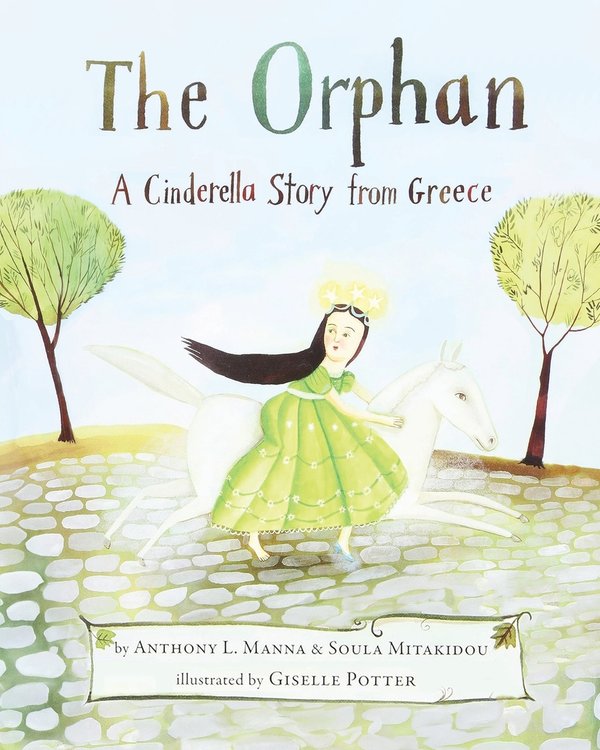
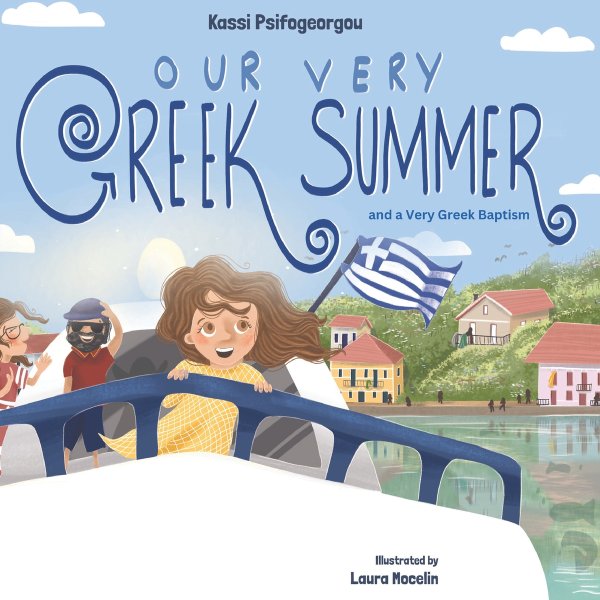
Recommended for grades K–4 and family read-alouds. Short, illustrated books suited to independent or shared reading; some explore subjects that older students can study more deeply.
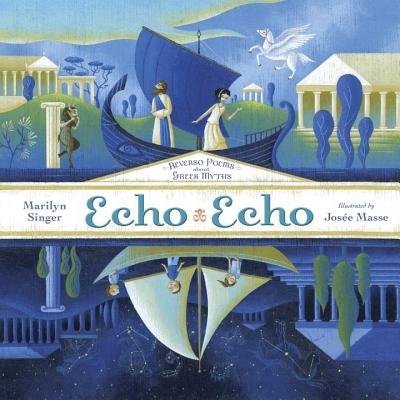
Middle Grade
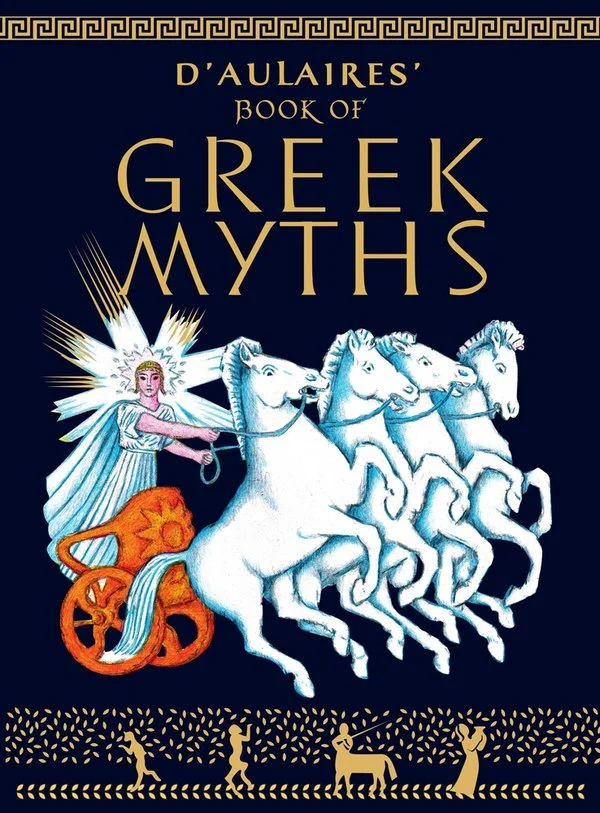
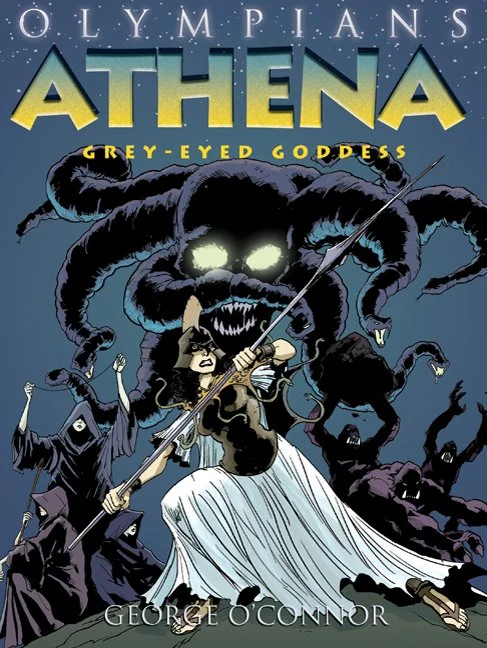
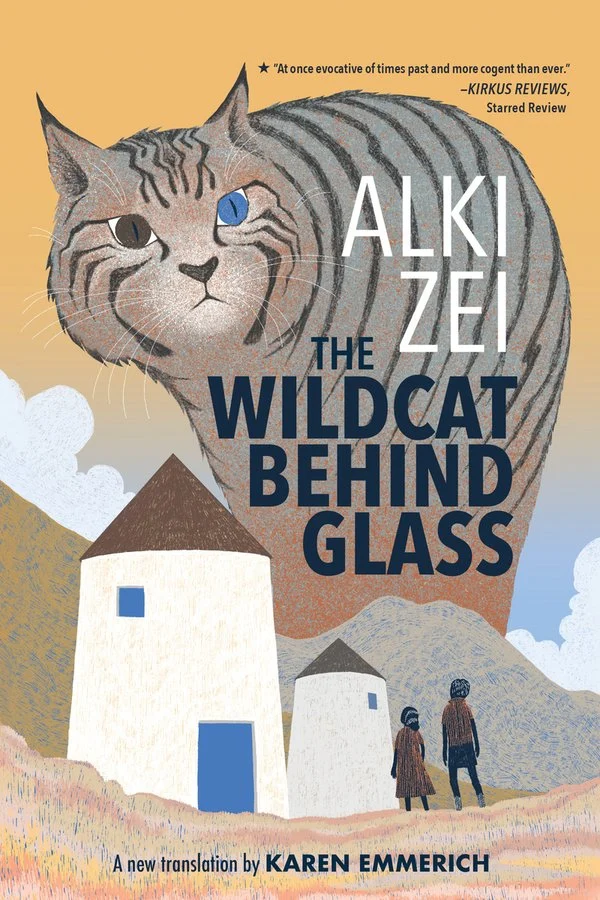
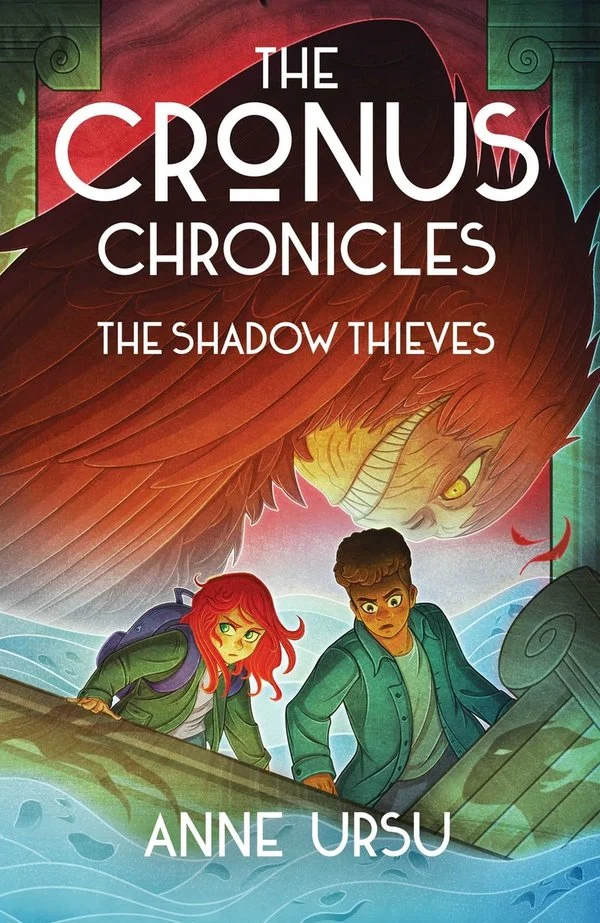

Middle Grade / Teen Crossover
Grades 6–9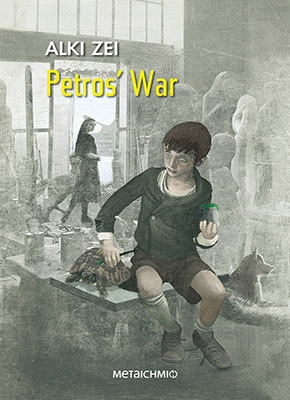
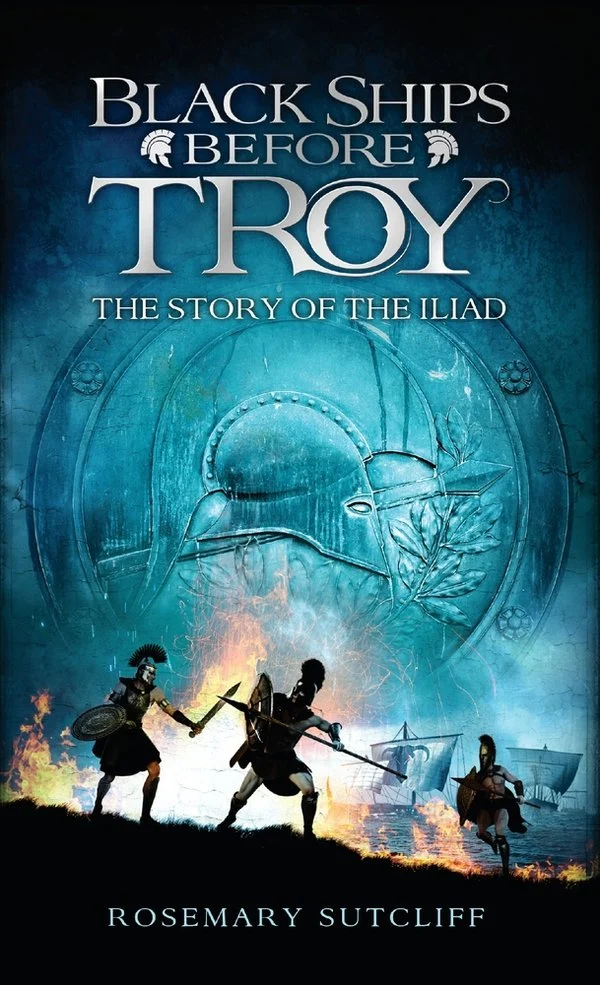
Grade 9 / Advanced
Recommended for grades 8–9 and up. More demanding in length, language, structure, subject matter, or required background knowledge.
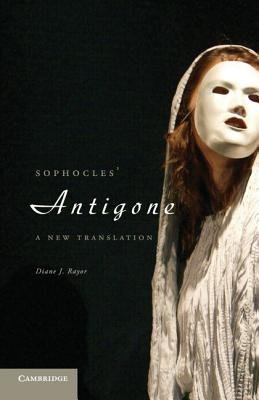
Reference Books
A note for parents
Grade recommendations are based on reading level, complexity, and intended audience. Because every student and family is different, please review the book descriptions and content notes, and preview titles as needed, to determine whether each selection is a good fit for your student and your family's values. Content notes identify potentially sensitive material but may not cover every concern.