Haiti
North America & Caribbean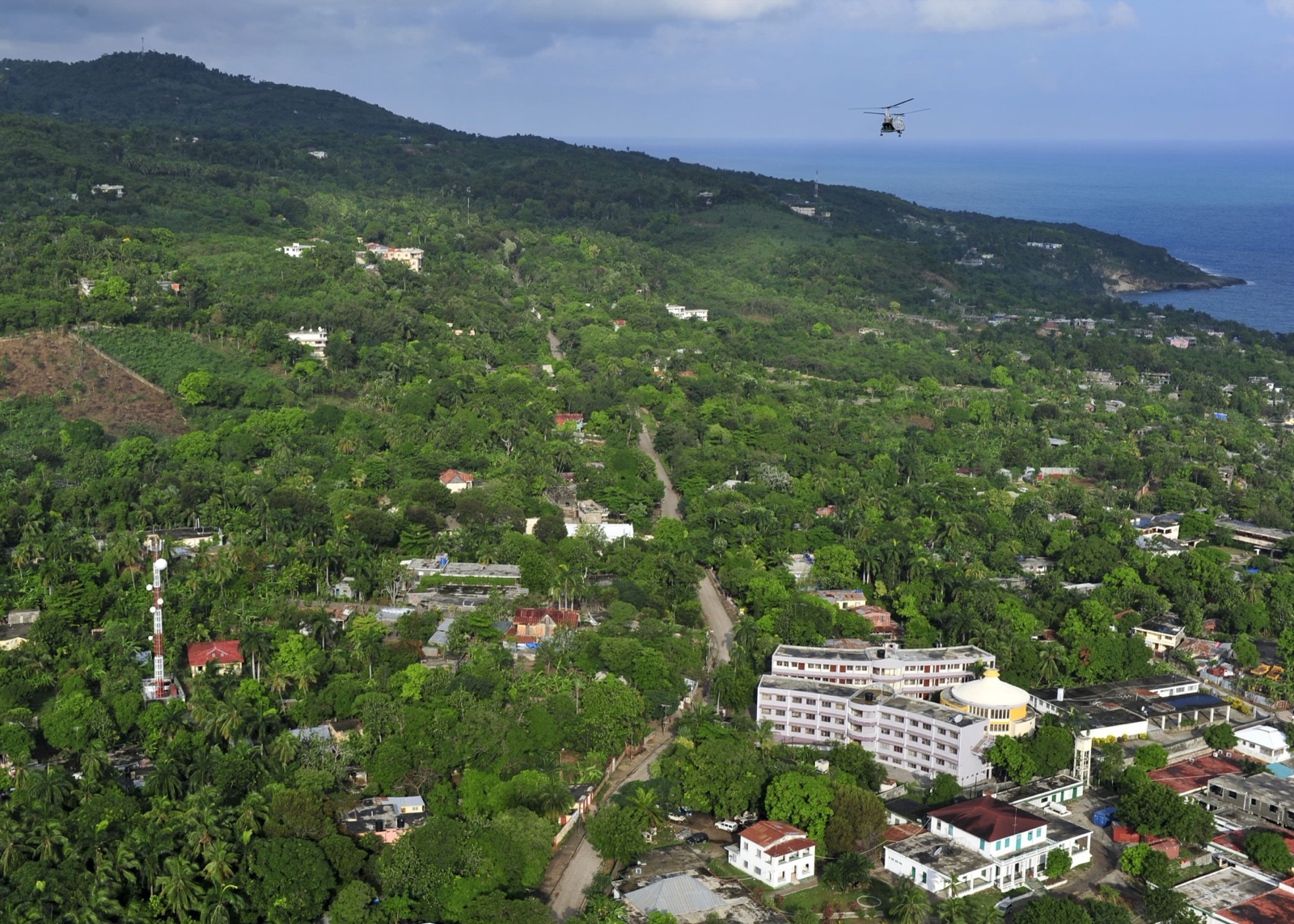
Haiti includes the western part of the Caribbean island of Hispaniola, which it shares with the Dominican Republic, as well as several smaller islands. The Caribbean Sea lies to the south and west, while the Atlantic Ocean lies to the north. Haiti's long coastline supports fishing, ports, trade, and connections with other Caribbean places.
Haiti is one of the most mountainous countries in the Caribbean, with ranges cutting across much of the country. They divide Haiti into valleys and coastal plains and make travel between regions difficult. Pic la Selle, Haiti's highest point, rises to 2,680 meters (8,793 feet) in the southeast.
The Artibonite is the longest river in the Caribbean and flows through Haiti's most important rice-growing region before reaching the Gulf of Gonàve. Its broad, flat valley provides valuable farmland in a country where mountains cover much of the landscape, and river water is used to irrigate crops such as rice.
Haiti's steep mountains can make heavy tropical rains especially dangerous. Where forests have been cleared, rain can wash soil downhill more easily, increasing erosion, flooding, and landslide risk. Hurricanes and tropical storms can therefore cause severe damage in vulnerable communities.
- More than 140 kinds of orchids grow in Macaya National Park, including dozens found nowhere else in the world. High in southwestern Haiti, the park protects some of the country's last cloud forest—cool, high-elevation forest frequently covered in mist and clouds.
- Haiti sits in an earthquake-prone part of the Caribbean where major faults run near the boundary of the Caribbean and North American tectonic plates. Movement along these faults can produce powerful earthquakes, including the devastating 2010 earthquake near Port-au-Prince.
Haitian Creole developed in Haiti during the 1600s and 1700s. It draws much of its vocabulary from French but has its own grammar and pronunciation. Today, Haitian Creole is the everyday language of nearly the entire population and is central to storytelling, music, education, and daily communication. French is also an official language.
Most Haitians are descendants of Africans who were enslaved and brought to Haiti when France controlled the colony in the 1600s and 1700s. They preserved and adapted languages, rhythms, religious traditions, foods, and storytelling practices brought from different parts of Africa. Over generations, these traditions combined and changed in Haiti, helping create distinctly Haitian forms of music, religion, food, and art.
Haiti's religious life includes both Christianity and Vodou, a religion that developed in Haiti from West and Central African spiritual traditions. Catholicism and Protestantism are widely practiced, and some Haitians practice Vodou alongside Christianity. Vodou ceremonies can include prayer, singing, drumming, dancing, and offerings as people honor spirits and ancestors and seek their guidance or help.
Haitian communities stretch far beyond Haiti, especially to the United States, the Dominican Republic, Canada, France, and other Caribbean countries. People have left Haiti for many reasons, including jobs, family, political violence and upheaval, natural disasters, and safety. These communities remain closely connected to relatives in Haiti through visits, language, traditions, and family ties.
- Haiti became the world's first independent Black republic after enslaved and free people defeated a European colonial power. The victory ended French rule in 1804 and made the Haitian Revolution the only successful large-scale revolt of enslaved people to create an independent country.
- Haitian artists turn discarded steel oil drums into intricate sculptures and wall art. In Croix-des-Bouquets, artisans cut the drums open, flatten the metal, and use hammers and chisels to create detailed designs inspired by animals, plants, daily life, and religious traditions.
Many Haitians earn a living through small farms, street markets, family businesses, transportation, and other self-employed work rather than jobs with large companies. Farmers grow crops such as rice, maize, beans, plantains, mangoes, coffee, and cacao, while markets connect rural producers with towns and cities.
Factories in Haiti make clothing for sale in the United States and other countries. Haiti's location close to the U.S. helps reduce the time and cost of shipping those goods.
Money sent home by Haitians living abroad is one of Haiti's biggest sources of household income. These payments, called remittances, help families pay for food, housing, education, health care, and small businesses.
Twenty-one years after Haiti defeated France and won its independence, France sent warships and demanded 150 million gold francs before it would formally recognize Haiti as an independent country. France said the payment would compensate former French colonists for property they had lost during the Haitian Revolution, including enslaved people who had won their freedom. Haiti had to borrow heavily to begin making the payments, creating debts that drained money from the country for generations.
- Haiti is a world-leading supplier of vetiver oil, a fragrant oil extracted from the roots of a grass grown especially in the southwest. Its deep, earthy scent is prized by perfume makers around the world, linking small Haitian farms to the global fragrance industry.
- For more than two centuries, Haitian women have carried food and other goods from rural farms to markets across the country. These traders, known as Madan Sara, travel by foot, cart, motorcycle, van, or boat and form a vital link between farmers and customers.
Recipes
For the whole familyBannann Peze (Fried Plantain Coins)
Green plantains are used throughout the Caribbean and Latin America, but bannann peze is a familiar Haitian preparation: thick plantain rounds are fried, flattened, then fried again until crisp. They are commonly served beside griyo, pikliz, rice, beans, seafood, or other savory dishes, so this recipe introduces an everyday food rather than a special-occasion symbol.
What it is: Green plantain rounds fried, flattened, and fried again until crisp — a Haitian side dish eaten with many savory meals
Difficulty: Adult-cooked; adult should handle all hot oil; younger children can help peel, measure, and flatten cooled pieces
Soup Joumou
Every January 1, Haitian families in Haiti and across the diaspora prepare soup joumou, a hearty squash soup with vegetables, meat, pasta, and seasonings. January 1 is both New Year's Day and Haitian Independence Day. The soup became a powerful food of freedom after formerly enslaved people won independence from France in 1804, and families have continued to adapt the recipe to their own tastes and traditions.
What it is: Haiti's New Year's and Independence Day squash soup — a hearty, multi-ingredient dish tied directly to the country's freedom in 1804
Difficulty: Adult-assisted; long multi-step recipe; younger learners can help wash vegetables and measure while an adult manages knives, hot pots, and the stove
Traditional Games
All agesMarèl is the Haitian Creole word for hopscotch. Like hopscotch traditions elsewhere, children can draw a course with chalk or scratch it into bare ground, then use a small marker and balance, hopping, and careful aim to move through the spaces. Exact court designs and neighborhood rules can differ.
Oslè (often written osselets in French) is a hand-skill game remembered in Haiti and related to the old game of knucklebones. The challenge is coordination: toss, pick up, and catch in a steadily harder sequence.
Activities
Find Haiti on a Shared Island
Find Haiti on Hispaniola, then point out the mountains, surrounding Caribbean water, and the Dominican Republic next door
Look Closely at Hector Hyppolite's Houses by the Bay
Explore a Haitian coastal painting packed with boats, homes, plants, birds, weather, and bright color
Market-to-Home Panye Challenge
Carry pretend market goods in a light basket and discover why balancing a panye takes practice
Krik? Krak! Story Time
Answer "Krak!" to open a Haitian folktale, then act out one funny or clever moment with toys
Sing and Clap "Ti Zwazo" (Little Birdie)
Sing one of Haiti's most beloved Creole nursery rhymes — a cheerful little bird song passed down in Haitian families for generations
Watch and Listen to Haitian Compas
Hear guitars, keyboards, drums, and a syncopated beat while watching Haiti's smooth social dance
Explore the Citadelle Laferrière
Examine a huge fortress on a mountaintop and see why newly independent Haiti chose this dramatic defensive location
Map Haiti's Mountains, Coasts, and River
Build a physical picture of Haiti by tracing its mountains, Gulf of Gonâve, Artibonite River, and two major cities
Ayiti Before Haiti: Taíno Homeland and Living Heritage
Meet the Taíno peoples of Hispaniola before European colonization and see how Taíno identity and heritage continue today
Haitian Cut-Metal Art: Shape and Negative Space
Study artists from Croix-des-Bouquets, then make a safe foil relief that uses cutout-looking shapes, lines, and hammered texture
Explore Haitian Rara
Listen for drums, bells, and one-note vaksin horns in a moving street tradition that joins music, Vodou, community, and public commentary
How Haiti Won Independence
Follow the Haitian Revolution from plantation slavery to the defeat of Napoleon's forces and independence in 1804
Explore Haitian Drapo Vodou
Examine sacred sequined flags by named Haitian artists and see how textile skill, ceremony, and religious meaning belong together
Kreyòl and French in Haiti
Compare Haiti's two official languages and see why the language most people speak has not always held the same institutional power as French
Rain on a Steep Haitian Hillside
Pour equal rain over two model slopes and see how plant cover can slow runoff and reduce soil loss
Read Haiti's Declaration of Independence
Read the words Haiti's leaders used in 1804 and connect their fierce tone to a revolution fought against slavery and renewed French control
The Price of Recognition: Haiti's Independence Debt
Trace how France made recognition of Haitian independence conditional on payments to former colonial slaveholders
The U.S. Occupation of Haiti, 1915–1934
Examine why U.S. Marines occupied Haiti for nineteen years and how control of finance, government, labor, and security changed Haitian politics
Map Haiti and Its Diaspora
Trace major Haitian migration connections and see how language, family, music, food, and identity move with people
Saving Haiti's Cultural Heritage after the 2010 Earthquake
See how Haitian conservators, artists, archivists, and international partners rescued artworks and records after a devastating earthquake
Pétion-Ville and Port-au-Prince: The Geography of Who Lives Where
Haiti's wealthiest neighborhood literally looks down on the rest of the city.
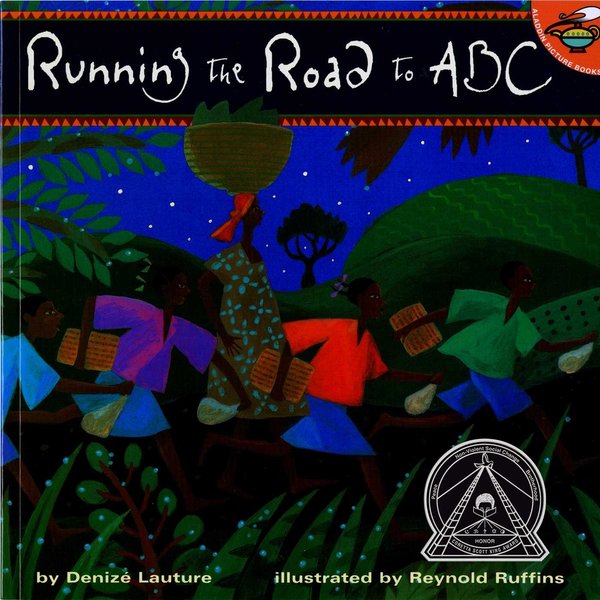
Picture Books
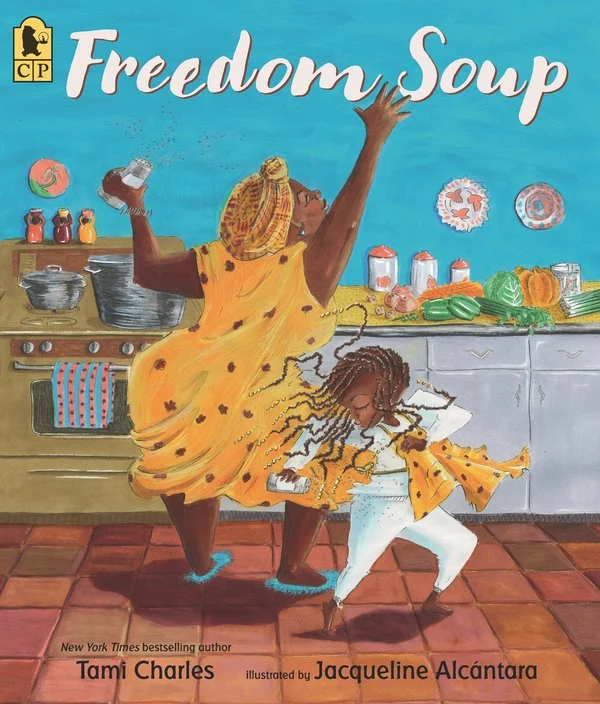
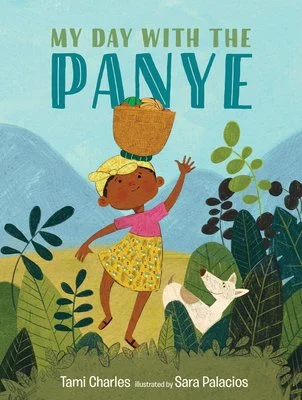
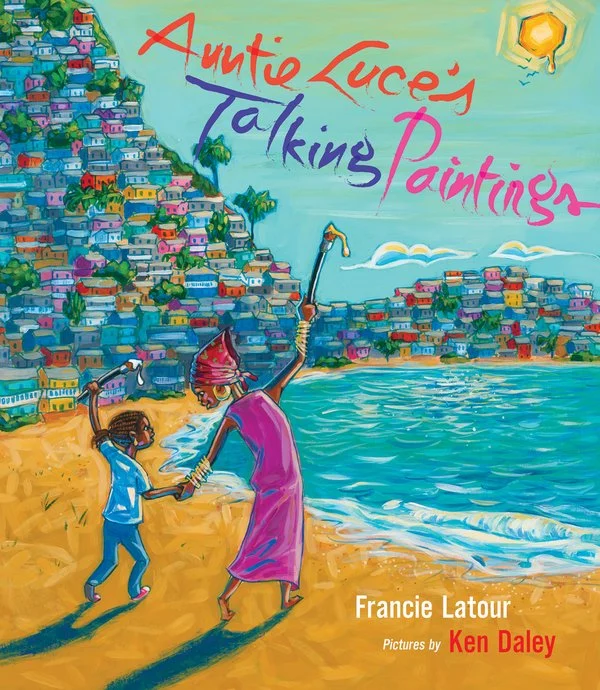
Recommended for grades K–4 and family read-alouds. Short, illustrated books suited to independent or shared reading; some explore subjects that older students can study more deeply.
Middle Grade
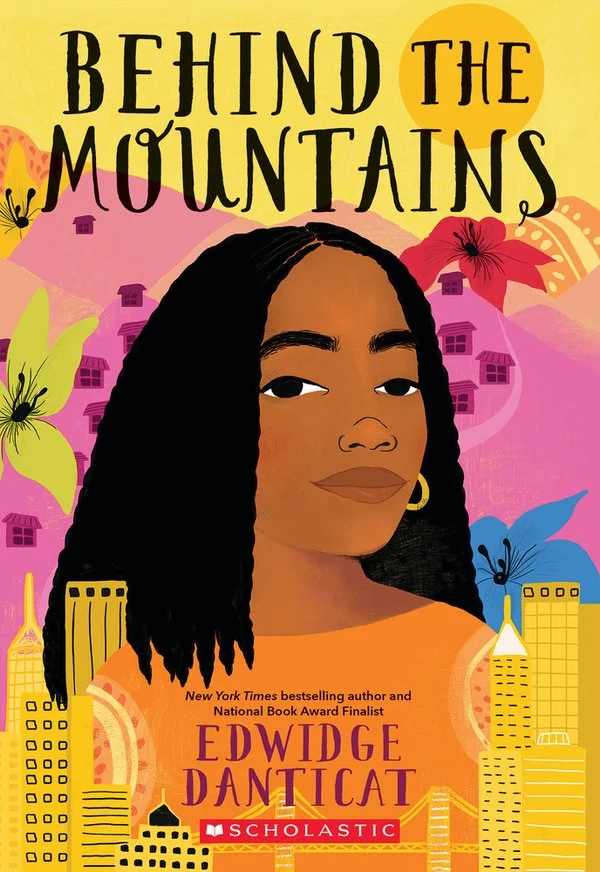

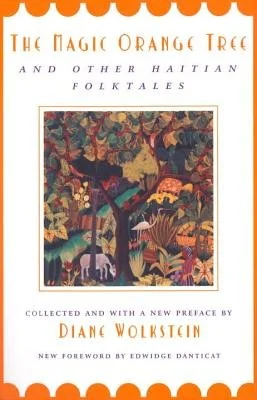
Middle Grade / Teen Crossover
Recommended for grades 6–9. Books that appeal across the middle-grade and early-teen years because of their subject matter, themes, or reading level.
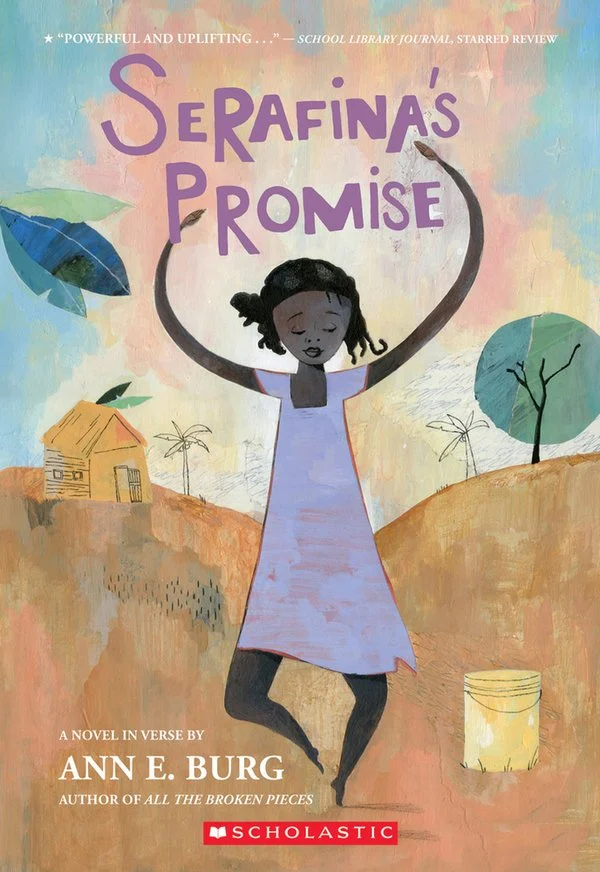
Grade 9 / Advanced
Recommended for grades 8–9 and up. More demanding in length, language, structure, subject matter, or required background knowledge.


Reference Books
A note for parents
Grade recommendations are based on reading level, complexity, and intended audience. Because every student and family is different, please review the book descriptions and content notes, and preview titles as needed, to determine whether each selection is a good fit for your student and your family's values. Content notes identify potentially sensitive material but may not cover every concern.