India
Asia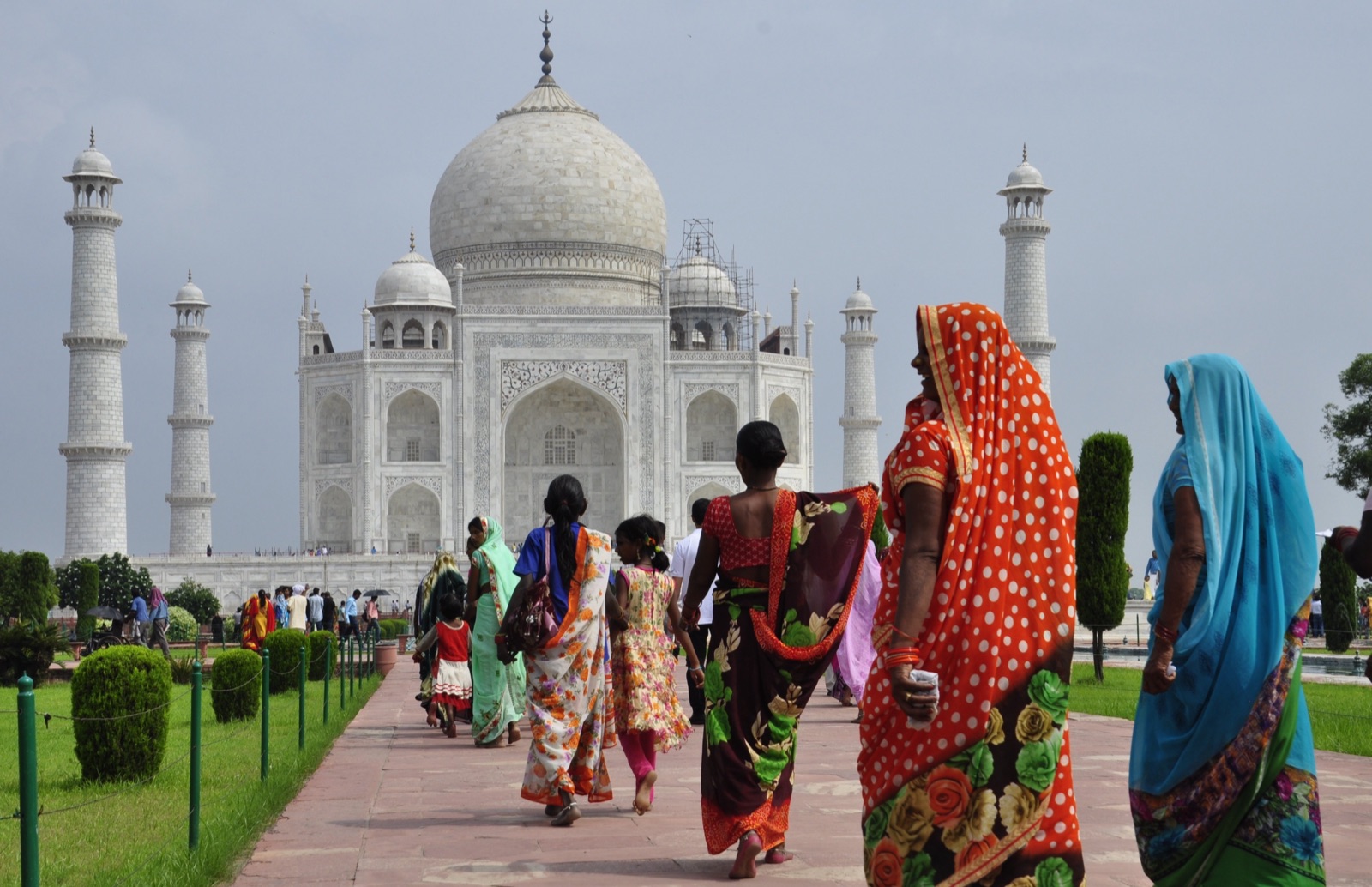
India forms a large peninsula extending into the Indian Ocean, with the Arabian Sea to the west and the Bay of Bengal to the east. For thousands of years, sailors used seasonal winds to cross these waters, linking Indian ports with East Africa, the Arabian Peninsula, and Southeast Asia through trade and migration.
The Himalayas—whose name means "abode of snow" in Sanskrit—rise along India's northern edge and contain some of the highest peaks on Earth. The range is still slowly rising as the Indian tectonic plate pushes northward into Asia. Rivers flowing from these mountains have helped build one of the world's great fertile plains below, depositing rich soil across flat, well-watered land that supports intensive farming and some of the country's densest settlement.
Some of India's largest rivers begin in the Himalayas and carry mountain water across the crowded plains below. The Ganges, sacred to Hindus, flows through one of the most densely settled river valleys in the world before reaching the Bay of Bengal. The Brahmaputra and other major rivers also supply farms and cities and shape transportation, settlement, pilgrimage, and religious life.
India contains an extraordinary range of climates, from hot desert in Rajasthan and tropical forests in the northeast to warm southern coasts and cold alpine environments high in the Himalayas. Each summer, winds bring huge amounts of moisture from the Indian Ocean onto the land, creating monsoon rains that supply much of the water used by farms, rivers, reservoirs, and communities. A weak, late, or unusually intense monsoon can strongly affect crops and water supplies.
- Northeastern India is home to some of the wettest places on Earth. Mawsynram and nearby Cherrapunji, in the state of Meghalaya near the border with Bangladesh, receive more than 11 meters (36 feet) of rain in an average year—enough water to reach higher than a three-story building if it all stayed in one place. Moisture-filled monsoon winds from the Bay of Bengal are pushed upward by steep hills, causing the air to cool and release heavy rainfall.
- The Ganges river dolphin, India's national aquatic animal, lives in the Ganges-Brahmaputra river system of northern India and neighboring countries. These rivers carry large amounts of sediment, making the water difficult to see through, and the dolphin has extremely limited eyesight. Instead, it uses echolocation—sending out sounds and listening for their echoes—to navigate and find food.
More than 1.4 billion people live in India, but they are concentrated very unevenly across the country. The fertile northern plains, river valleys, and many coastal areas are densely settled, while the Himalayas and Thar Desert have far fewer people. Even as huge cities grow, many Indians still live in villages and smaller towns.
India is one of the world's most linguistically diverse countries. Hindi is the most widely spoken language, English is widely used in government, higher education, and business, and the Constitution recognizes 22 major languages. Many states are closely associated with particular languages, which shape their literature, media, food, and everyday life.
Four major world religions—Hinduism, Buddhism, Jainism, and Sikhism—began on the Indian subcontinent, and religion remains highly visible in India's landscapes and daily life. Temples, mosques, churches, gurdwaras, pilgrimage routes, festivals, and food traditions vary greatly across regions and communities.
India has long been connected to other regions by migration as well as trade. Today, millions of people move within the country for work and education, while large Indian communities live in the Persian Gulf, North America, the United Kingdom, Southeast Asia, and elsewhere. Family ties, businesses, films, food, music, and money continue to move between India and these communities abroad.
- India produces more films each year than any other country, in many different languages. Hindi-language films made in Mumbai are often called Bollywood, but Bollywood is only one part of India's enormous film industry. India also has major Tamil, Telugu, Malayalam, Bengali, and other regional film industries, reflecting the country's extraordinary linguistic and regional diversity.
- In dry parts of western India, builders created stepwells—deep wells reached by staircases that descend toward the water. As water levels rose and fell with the seasons, people could walk down to reach it; many stepwells also became elaborate gathering places decorated with carved stone.
India's economy looks very different from one region to another. Mumbai is a major financial and commercial center, while industrial areas around Pune, Chennai, Ahmedabad, and Delhi manufacture cars, textiles, medicines, and other goods. Farming remains central to life across much of rural India.
Each summer, seasonal winds bring huge amounts of rain from the Indian Ocean across much of India. These monsoon rains help determine whether crops such as rice, wheat, cotton, sugarcane, tea, and spices grow well, how much farmers earn, and what food costs for hundreds of millions of people. When the rains arrive late, weak, or unusually strong, the effects can spread through farms and markets across the country.
Indian companies provide software, technology support, and other business services to clients around the world. Cities such as Bengaluru and Hyderabad grew into major technology centers because skilled workers and digital networks allow work done in India to serve companies thousands of kilometers away.
India is made up of 28 states, and language, food, religion, and traditions differ dramatically from one to another. Centuries of different peoples, kingdoms, religions, and trade—combined with landscapes ranging from Himalayan mountains to deserts and tropical coasts—have given different parts of India distinct cultures. Each state has its own government, while all are part of India.
- More than 640 million people voted in India's 2024 general election—more people than the entire population of Europe. Running an election on that scale is a huge geographic challenge: election workers and voting equipment must reach communities in megacities, deserts, forests, islands, and the Himalayas so people can vote close to where they live.
- In Mumbai, thousands of lunchbox delivery workers called dabbawalas collect home-cooked meals from people's homes, sort them using painted codes, carry them across the city by bicycle and suburban train, and deliver them to office workers before lunch—then return the empty containers later the same day.
Recipes
For the whole familySimple Chapati
Chapati is a soft whole-wheat flatbread cooked on a hot pan, and in many homes across northern and western India it is an everyday part of a meal rather than a special-occasion food. Diners tear off pieces to scoop up lentils, vegetables, yogurt, or other dishes, often eating the bread while it is still warm. The same basic bread may also be called roti, although names and styles vary by region and household. India's staple foods change greatly across the country: wheat breads are especially common in parts of the north and west, while rice is more central in many southern and eastern cuisines.
What it is: A soft, unleavened whole-wheat flatbread cooked on a dry skillet or griddle.
Difficulty: Easy ingredients and a short cooking time; children can mix, divide, and roll the dough while an adult handles the hot pan.
Mango Lassi
Lassi is a yogurt drink with a long history in Punjab and other parts of northern India, where it can be salty, spiced, plain, or sweet. Mango lassi is a sweeter variation that blends yogurt with ripe mango, a fruit cultivated across India and especially abundant during the hot summer months. Thick, cool, and easy to make, it offers one taste of northern Indian food while also showing how a familiar ingredient such as yogurt can appear in many different forms.
What it is: A cool, creamy drink made by blending mango with yogurt, milk, and a little sugar or honey.
Difficulty: Super easy; it uses only a handful of ingredients and a blender.
Traditional Games
All agesPlay a fast Indian chasing game built around teamwork, dodging, and quick changes of direction.
Knock down a stack of seven pieces, then race to rebuild it before the other team tags your players with a soft ball.
Activities
Explore a Chennai Flower Market
Walk through a real market in southern India filled with flowers, shoppers, vendors, traffic, and everyday street life.
Bollywood Dance-Along
Move with a child-friendly film-dance routine and enjoy the music, rhythm, expression, and energy.
Make Rangoli
Create a geometric pattern with colored materials the way Indian families decorate their doorsteps for festivals and everyday celebrations
Try Yoga Poses
Learn a few child-friendly poses from a practice that began in ancient India and is now done around the world
Make a Diya
Shape a small clay oil lamp of the kind lit across India during Diwali and other celebrations
India from the Himalayas to the Indian Ocean
Build a whole-country picture of mountains, plains, desert, plateau, coasts, rivers, and major cities.
Dholavira: A 4,000-Year-Old Planned City
Explore streets, reservoirs, walls, workshops, and water systems from the Harappan civilization in western India.
Living Root Bridges of Meghalaya
See bridges that become stronger as living tree roots are guided across rivers for generations.
B. R. Ambedkar: From School Discrimination to the Constitution
Learn why a boy denied equal treatment grew up to help write legal protections for a new democracy.
Visit the Golden Temple and Its Community Kitchen
Explore one of Sikhism’s most important sacred places and the tradition of serving free meals to everyone who comes.
India's Languages on the Map
See why crossing a state border can also mean encountering a different language and writing system.
Map the Monsoon
Follow moist summer winds across India and see why mountains help make some regions extremely wet and others much drier.
Bharatanatyam: Banned, Revived, Reclaimed
Britain banned this temple dance in 1910. After independence, India brought it back.
Who Drew the Line? The Radcliffe Line and Partition
A British lawyer who had never been to India was given 5 weeks to divide the subcontinent.
Caste and the Constitution: Ambedkar's Promise
He was born Dalit, denied basic rights — and then wrote the constitution that abolished them.
The Salt March: What Was Britain Taking From India?
Gandhi walked 241 miles to pick up salt — and 60,000 people were arrested for following him.
Growing Up Under British Rule
Use two novels to see how colonial rule reached into schools, protests, gender expectations, and ordinary childhood before independence.
Living with Water in the Sundarbans
Explore a shifting mangrove landscape where rivers, tides, cyclones, wildlife, and human communities meet.
Listen to a Partition Survivor
Hear how the 1947 border change was remembered by someone who lived through migration, loss, and rebuilding.
Bengaluru: Tech Boom, Water Crisis, and Who Benefits
India's Silicon Valley hosts Google and Walmart — and is running out of water.
Kashmir: Three Nuclear Powers, One Disputed Territory
India, Pakistan, and China all claim parts of Kashmir. 12 million people live there.
India's Democratic Institutions Under Pressure
The world's largest democracy has been changing its rules — and its minorities are watching.
Picture Books
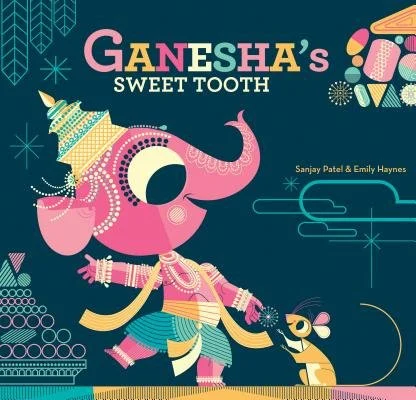
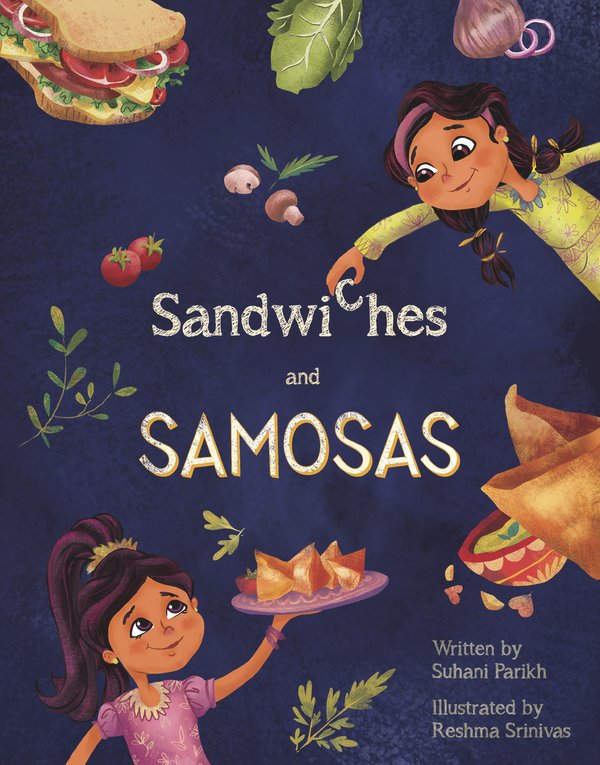
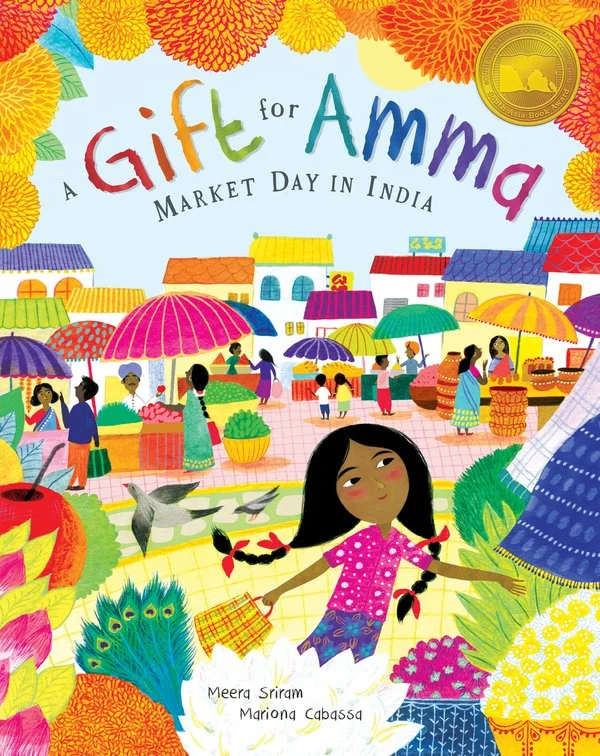
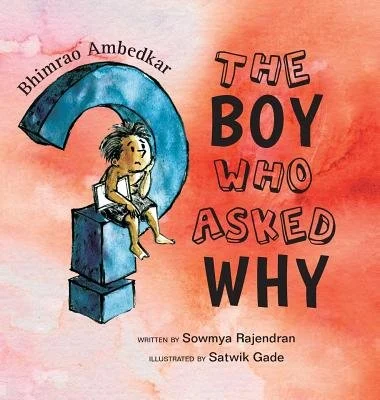
Recommended for grades K–4 and family read-alouds. Short, illustrated books suited to independent or shared reading; some explore subjects that older students can study more deeply.
Middle Grade
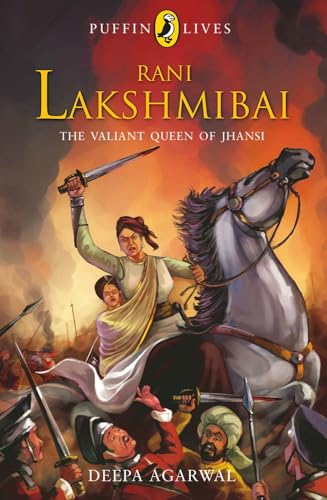
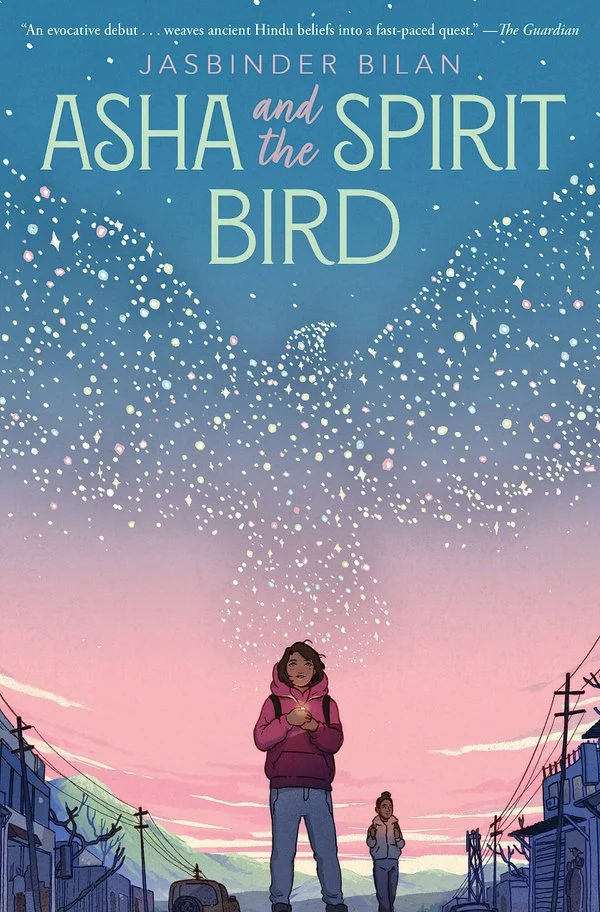
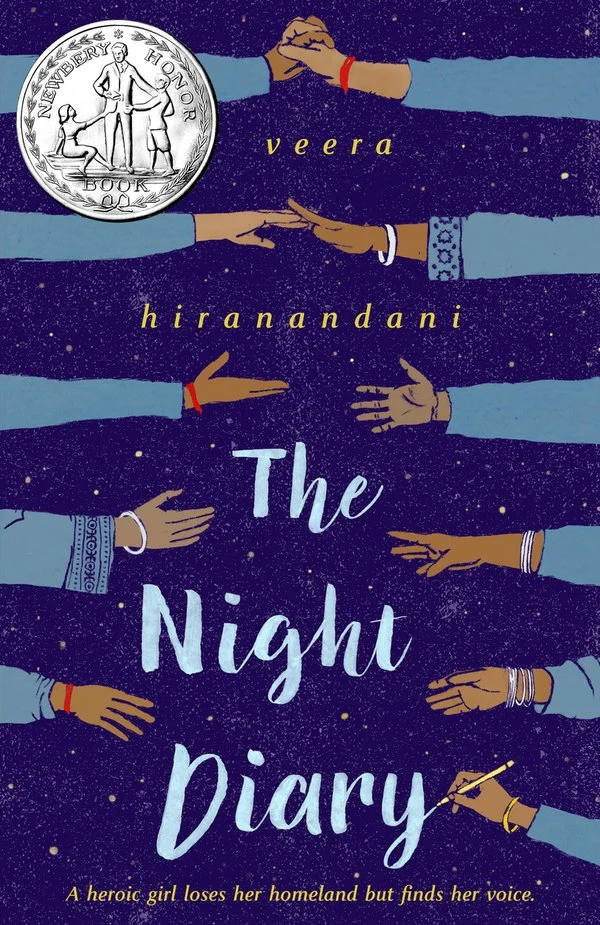
Middle Grade / Teen Crossover
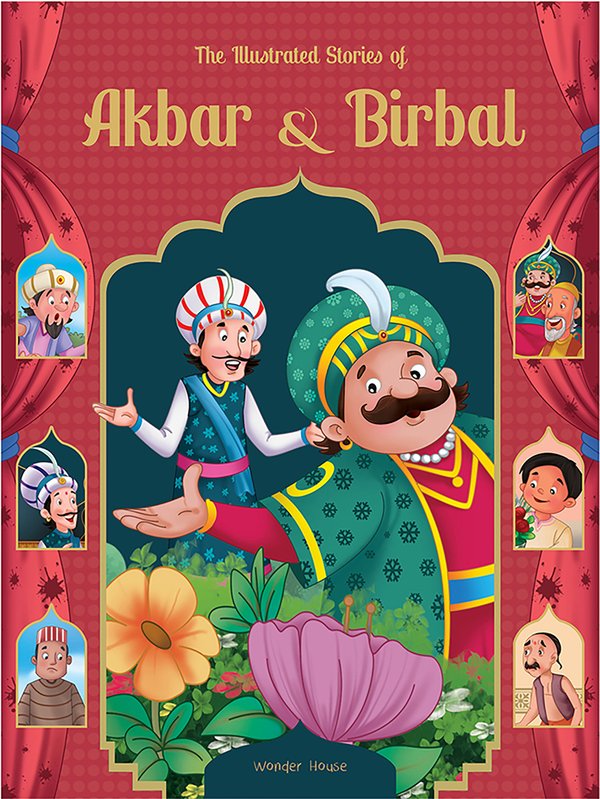
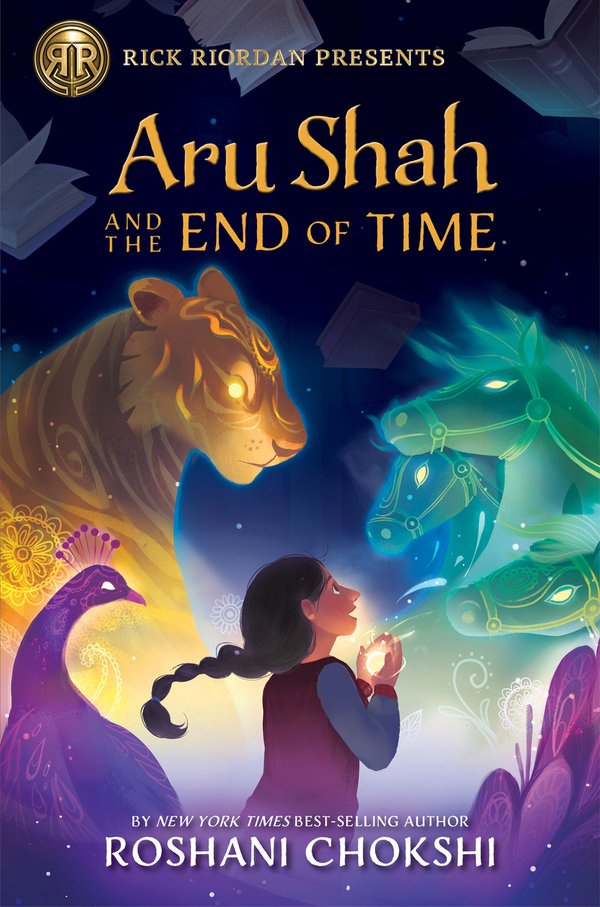
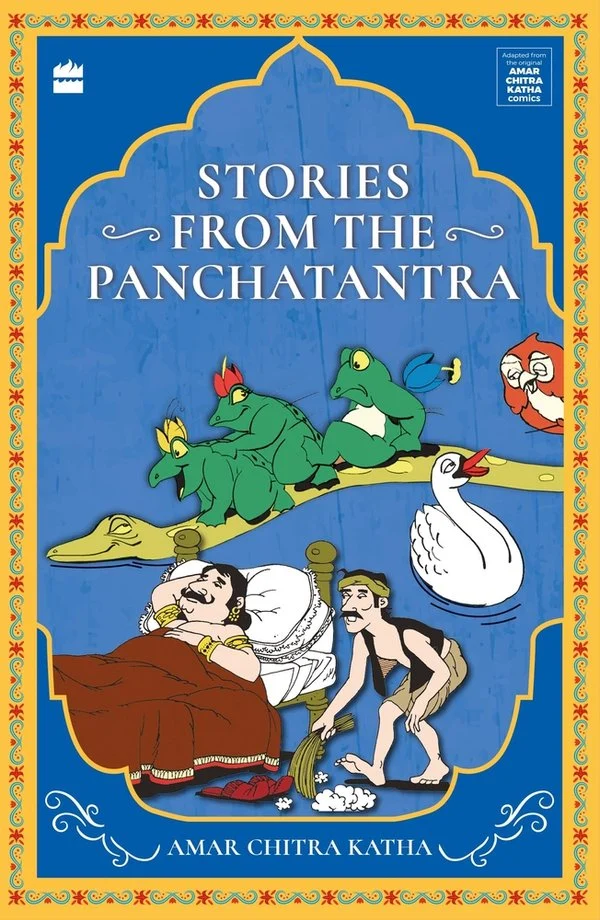
Recommended for grades 6–9. Books that appeal across the middle-grade and early-teen years because of their subject matter, themes, or reading level.
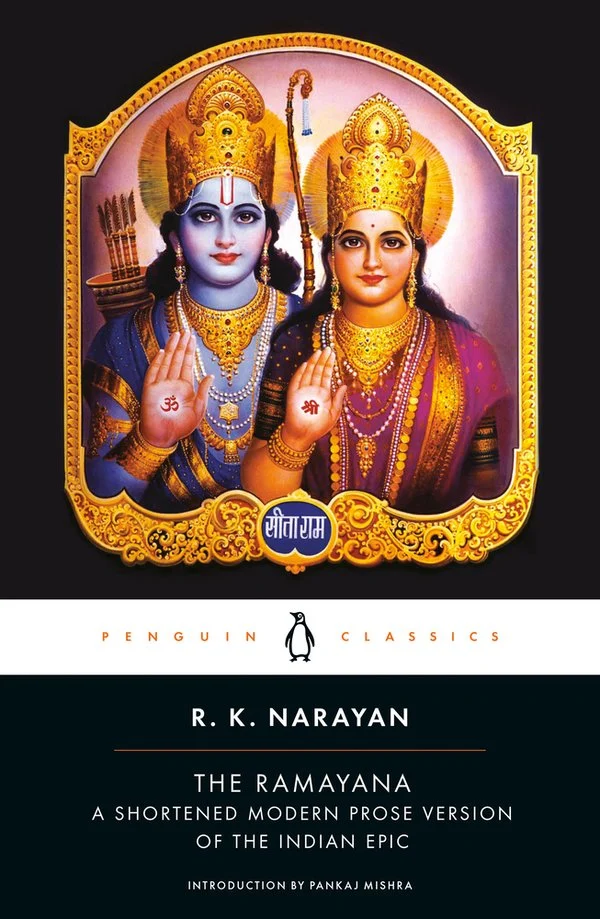
Grade 9 / Advanced
Recommended for grades 8–9 and up. More demanding in length, language, structure, subject matter, or required background knowledge.
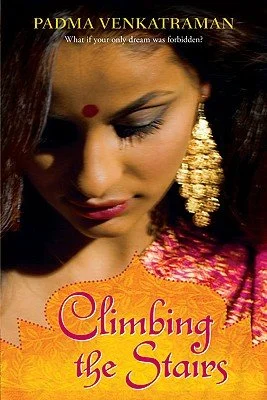
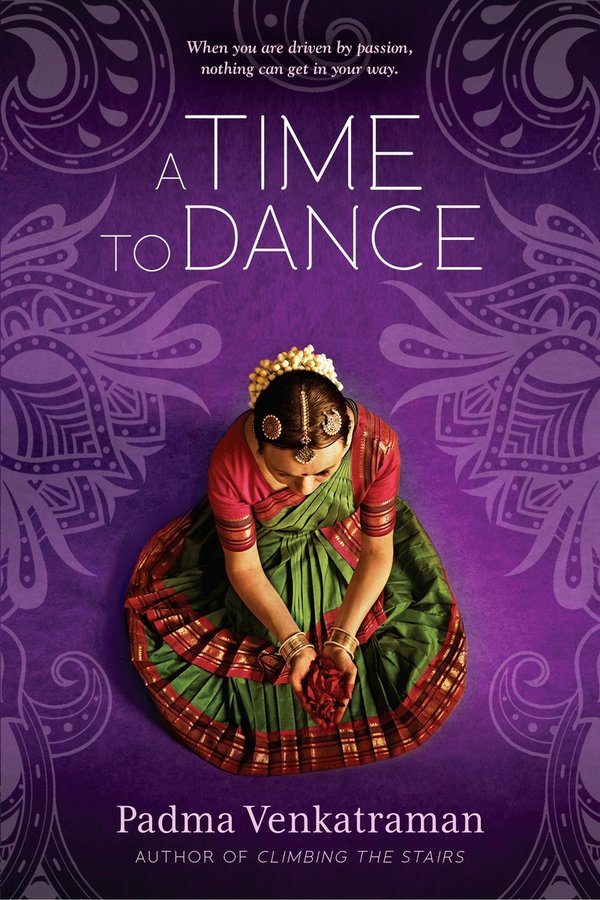
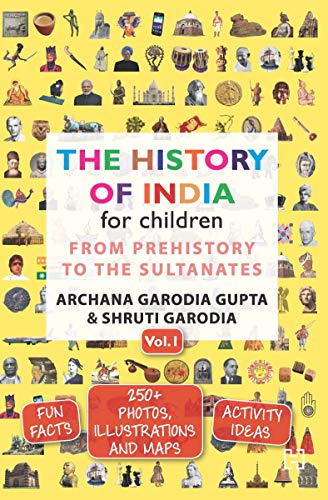
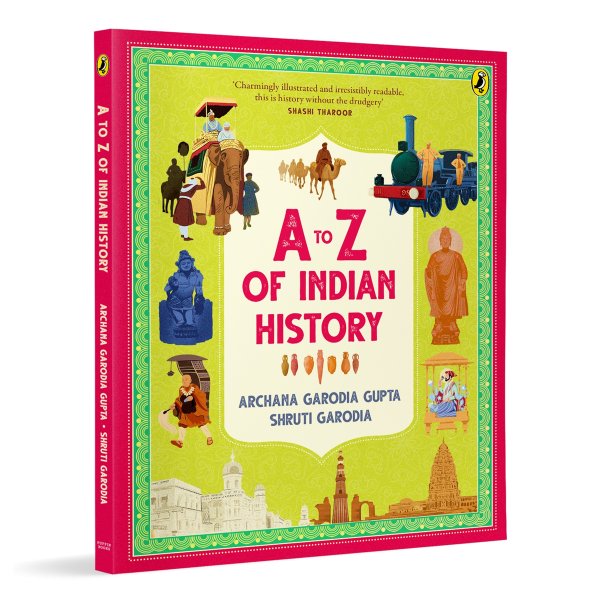
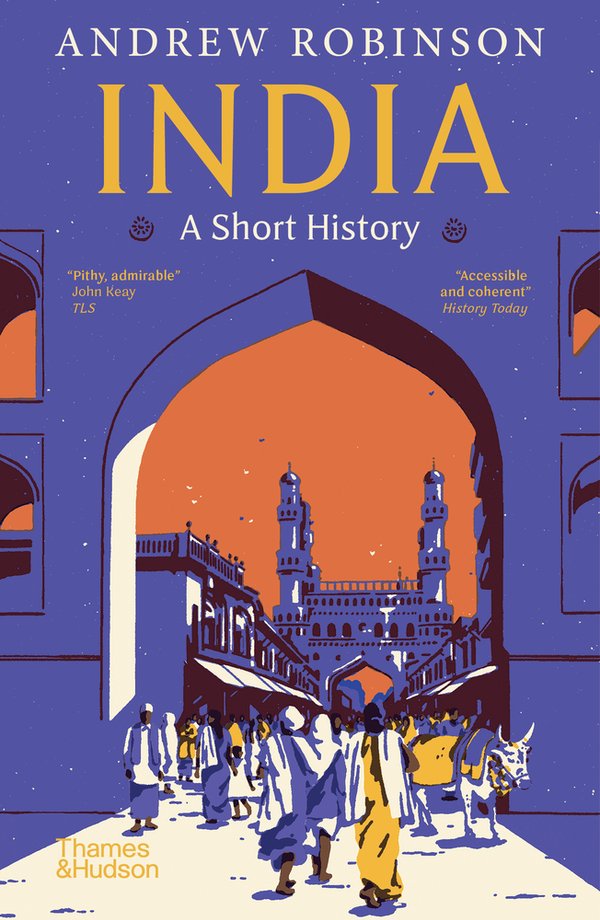
Reference Books
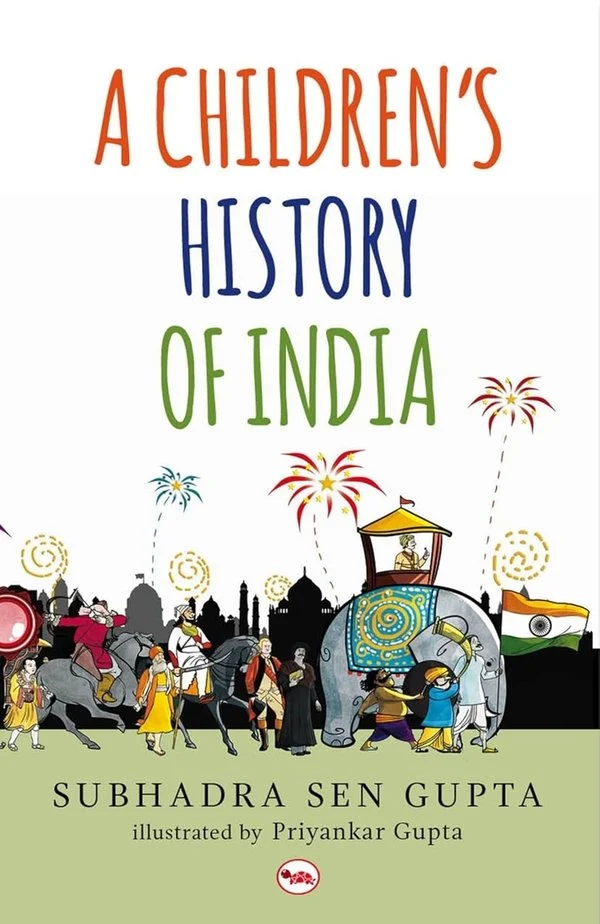
A note for parents
Grade recommendations are based on reading level, complexity, and intended audience. Because every student and family is different, please review the book descriptions and content notes, and preview titles as needed, to determine whether each selection is a good fit for your student and your family's values. Content notes identify potentially sensitive material but may not cover every concern.