Iraq
Asia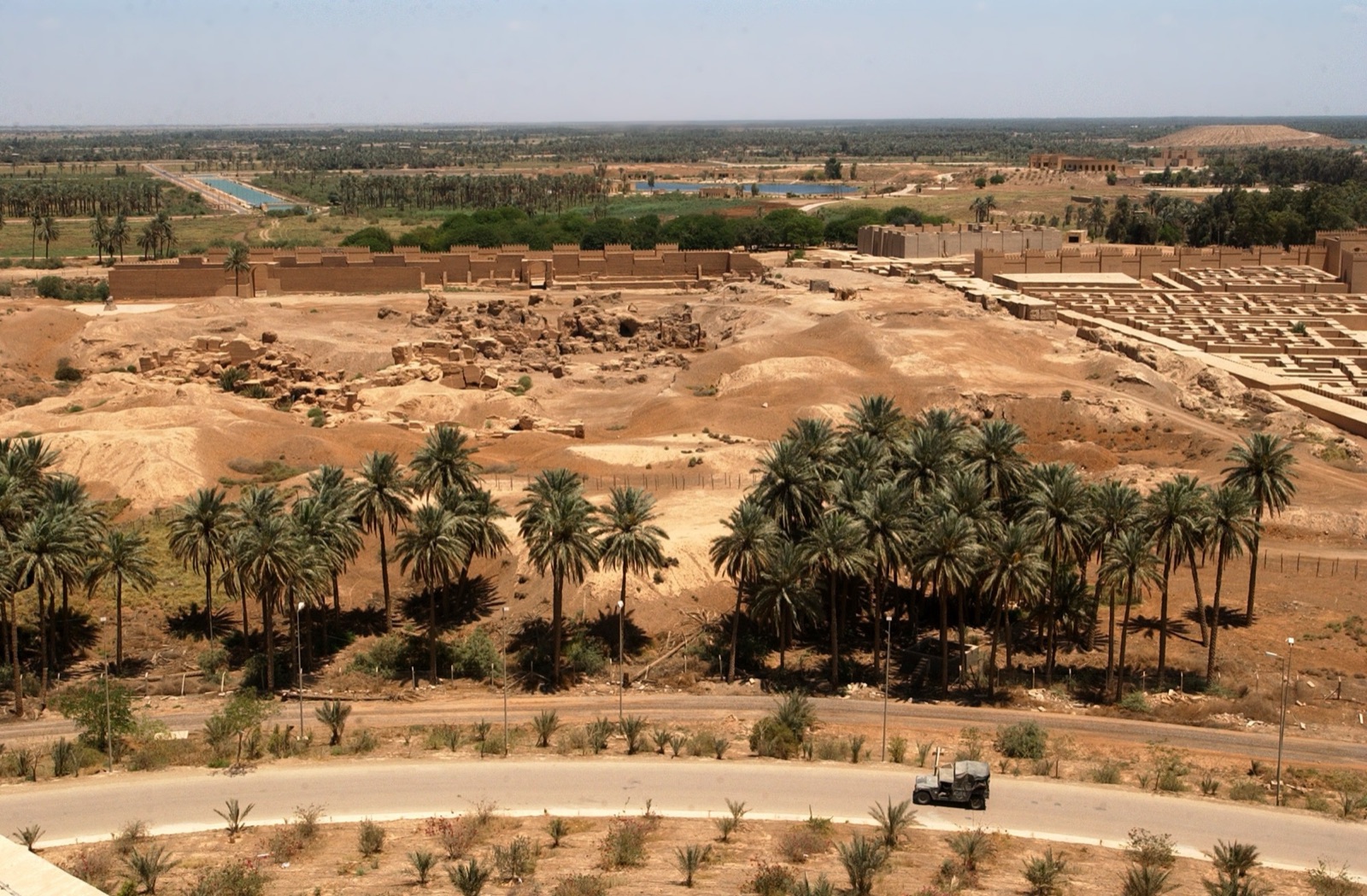
The Tigris and Euphrates flow from Turkey through Iraq toward the Persian Gulf. Much of central and southern Iraq is dry, so for thousands of years people have channeled river water into fields to grow crops and support towns and cities. These river valleys helped support some of the world's earliest civilizations, and farms and communities still depend heavily on both rivers today.
Central and southern Iraq contain a broad, fertile plain that helped support some of the world's earliest cities. Over thousands of years, the Tigris and Euphrates built up this flat land by depositing mud and soil carried downstream. This region is part of ancient Mesopotamia, whose name means "land between the rivers." People have irrigated and farmed the plain for thousands of years, growing crops such as wheat, barley, and date palms, and it remains one of Iraq's main areas for farming and settlement.
Iraq's landscape changes dramatically from dry desert in the west to cooler, wetter mountains in the north and northeast. More than a third of the country lies in the western desert and dry steppe, where far fewer people live than along the rivers. In the north and northeast, the land rises into rugged highlands near Turkey and Iran, with peaks above 3,000 meters. These mountains receive more rain, support more farming, and are home to much of Iraq's Kurdish population.
Southern Iraq contains a vast wetland of shallow lakes and reed beds known as the Mesopotamian Marshes. The marshes form where water from the Tigris and Euphrates spreads across the flat land near the Persian Gulf. Marsh Arab communities have adapted to this watery environment for generations, traditionally traveling by boat, building with reeds, fishing, and raising water buffalo. Much of the marshland was deliberately drained in the 1990s, but large areas were later reflooded and restored; today the marshes are part of a UNESCO World Heritage Site. Farther south, Iraq reaches the Persian Gulf through a very short coastline near Basra, giving the country its main connection to ocean trade.
- In southern Iraq's marshes, people build large arched gathering houses almost entirely from reeds. Called mudhifs, they are made by bundling reeds into walls and curved roofs, creating spaces for celebrations, storytelling, meetings, and welcoming guests.
- Along the Euphrates River, some communities have traditionally used enormous wooden water wheels called al-naoor to bring river water up to their fields. The flowing river turns the wheel, which can be 8–12 meters (26–39 feet) across. Clay pots attached around the wheel fill with water at the bottom, then rise with the turning wheel and empty into a channel at the top. From there, the water flows to nearby fields—all without a motor.
Water strongly shapes where people live in Iraq: most Iraqis live near the Tigris and Euphrates or in the wetter north, while the western desert has far fewer people. Iraq's largest cities follow this pattern: Baghdad grew on the Tigris in the center of the country, Basra developed near the Persian Gulf and became its main port, and Mosul and Erbil anchor the more populated north.
Iraq is home mainly to Arabs and Kurds, with most Kurdish communities concentrated in the mountainous north and northeast. Kurdish populations also extend across the borders into Turkey, Iran, and Syria, and Kurdish communities have their own languages and cultural traditions. In northern Iraq, the Kurdistan Region has its own regional government within Iraq. Iraq is also home to smaller Turkmen, Assyrian, and other communities with their own languages and traditions.
Most Iraqis are Muslim. Iraq's Muslim population includes two major branches of Islam: Shia and Sunni. Shia Muslims are especially numerous in central and southern Iraq, while many Sunni communities live in western and northern areas. Iraq is also home to Christian, Yazidi, Mandaean, and other religious communities with long histories in the region.
Some of the world's earliest writing developed in ancient Mesopotamia, in the land that is now Iraq. Centuries later, Baghdad became one of the world's great centers of scholarship during the Abbasid Caliphate, an empire that ruled much of the Middle East and surrounding regions beginning in the 700s. By around 800 CE, Baghdad may have had about a million residents and was among the largest cities on Earth.
- The Epic of Gilgamesh, written in ancient Mesopotamia more than 4,000 years ago, is one of the world's oldest surviving works of literature. It tells the story of Gilgamesh, a legendary king of Uruk, and survives because versions were pressed into clay tablets. Some surviving versions are more than a thousand years older than Homer's Iliad.
- During Ramadan, Iraqis play a traditional guessing game called Al-Muhaibis using a tiny ring. One team secretly passes the ring until one player closes it inside their hand, while everyone else holds out closed fists too. The opposing team studies their faces and gestures and tries to figure out who has the ring. Games can include songs, chants, cheering, and large teams.
Iraq has some of the world's largest underground petroleum reserves, making oil the country's most important natural resource. Many of its biggest oil fields lie in southern Iraq near Basra. Pipelines carry oil toward the Gulf, where it is loaded onto tanker ships and exported around the world. Oil dominates Iraq's exports and provides most of the money the national government receives, so the geography of this southern region has an enormous effect on the country's economy.
Farmers have depended on the Tigris and Euphrates for thousands of years, but today that water is becoming less reliable. Farmers grow wheat, barley, vegetables, fruit, and dates, while drought, hotter temperatures, and declining river flows make farming more difficult. In some irrigated areas, salt can also build up in the soil as water evaporates, making crops harder to grow.
Iraq does not control the sources of its two most important rivers. The Tigris and Euphrates begin mainly in Turkey and flow downstream toward Iraq, with parts of the river system also passing through Syria. Dams, irrigation, drought, and water use upstream can change how much water eventually reaches Iraqi farms, cities, and marshes. This makes water an important connection—and sometimes a source of disagreement—between Iraq and its neighbors.
Northern Iraq includes the Kurdistan Region, which is part of Iraq but has its own parliament and regional government. It controls many of its own internal affairs while remaining part of the Iraqi state. This gives the predominantly Kurdish region more self-government than other parts of the country.
- Baghdad was founded in 762 CE with an enormous circular center known as the "Round City." The caliph's palace and main mosque stood at the center, with roads leading outward toward four gates in the circular walls. The original city was built in only a few years and grew into one of the largest and most important cities of the medieval world.
- Iraq has grown date palms along the Tigris and Euphrates for thousands of years. Iraqi date palms have also traveled far beyond the country: some varieties grown in California and Arizona today descend from palms brought from Iraq more than a century ago.
Recipes
For the whole familyMadgooga (Iraqi Date Confection)
Dates have been part of Iraqi food and farming for thousands of years, especially in the river-fed south where groves of date palms once made Iraq one of the world's best-known date-growing regions. Madgooga, whose name refers to pounding or crushing, turns this familiar crop into a simple sweet by combining soft dates with ingredients such as tahini, sesame, or nuts. It may be served as an everyday treat or with tea and coffee for guests, making it an easy way to taste a food closely tied to Iraq's landscape and hospitality.
What it is: A soft date-and-tahini or date-and-nut confection, often finished with pistachios or walnuts.
Difficulty: Super easy; use the simple dried-date version and let children help pit, measure, mix, press, or roll.
Jajeek (Iraqi Cucumber-Yogurt Salad)
Iraqi meals often include cool, fresh side dishes alongside rice, grilled meats, stews, and bread. Jajeek is one of these: yogurt mixed with cucumber and usually flavored with mint, garlic, and salt. Cucumber-and-yogurt dishes are shared across the Middle East, but jajeek is a familiar part of Iraqi home cooking and gives children a simple taste of the country without requiring a complicated recipe.
What it is: Chopped cucumber stirred into yogurt with mint, garlic, and seasoning.
Difficulty: Super easy; no cooking is required, though an adult should help younger children with chopping.
Traditional Games
All agesPlay a simple Iraqi three-in-a-row strategy game using a hand-drawn board and six counters.
Activities
Dates Grow on Palm Trees
See how one of Iraq’s most familiar foods grows in heavy clusters high above the ground
Listen to an Iraqi Children’s Song
Hear the rhythm and sound of Arabic as Iraqi children hear it in songs and play
Press Cuneiform into Clay
Use a stick to press wedge-shaped marks into clay and write like a Sumerian scribe from ancient Iraq
Build a Ziggurat with Lego Bricks
Stack Lego bricks into a stepped tower and feel why Mesopotamian ziggurats look the way they do
Make a Mudbrick
Mix soil, water, and straw into a brick — the same material that built Iraq’s ancient cities
Learn the Dabke
Join a line of dancers and try the stomping, stepping footwork of Iraq's most festive celebration dance
Follow the Tigris and Euphrates Rivers Through Iraq
Trace the two rivers that connect ancient cities, modern cities, farms, wetlands, and the Persian Gulf
Walk Through Modern Baghdad
See traffic, shops, bridges, gathering places, and the Tigris in Iraq’s enormous modern capital
Basra: Where Iraq Meets the Gulf
Follow the rivers south to Iraq’s major port region and its short coastline on the Persian Gulf
Erbil Citadel: A City Built on Earlier Cities
See how thousands of years of rebuilding can create a hill beneath a living city
The Code of Hammurabi: Laws in Stone
Read some of Hammurabi's laws and ask what they tell you about who had power in ancient Babylon.
Iraqi Maqam: Ancient Scales, Living Tradition
Listen to Iraqi maqam and discover how this centuries-old musical tradition uses scales, improvisation, and poetry.
Iraq from Marshes to Mountains
Compare the wet southern plains with the much cooler, higher landscape of the Kurdistan Region in northern Iraq
Arabic, Kurdish, and Iraq’s Other Languages
See why the language heard at home can change as you travel across Iraq
Reeds, Buffalo, and Life in the Marshes
See how one wetland can provide building material, transportation routes, food, grazing, and habitat
Baghdad on a Network of Knowledge
Place the House of Wisdom inside the trade and translation networks that made Abbasid Baghdad a major center of learning
The Kurdish Question: An Ethnic Group Without a State
About 30 million Kurds live across four countries — and have never had a country of their own.
Who Controls the Water? The Tigris and Euphrates Rivers
Follow rivers across borders and consider why upstream decisions matter so much to Iraq
The Marshes: Drained and Refilled
Watch an enormous wetland nearly disappear and then begin to return
Mosul: Rebuilding a Diverse City
See how residents have rebuilt mosques, churches, homes, schools, and cultural life after devastating conflict
Iraqi Maqam: A Classical Tradition That Survived Everything
Wars, sanctions, invasion, and ISIS — the maqam tradition persisted through all of it.
The 2003 Iraq War: Intelligence, Invasion, and Consequences
Colin Powell told the UN Iraq had weapons of mass destruction. None were ever found.
Iraq's Sectarian Constitution: Power-Sharing by Ethnicity and Religion
Iraq's 2005 constitution divided power explicitly by sect. Critics say it built gridlock in.
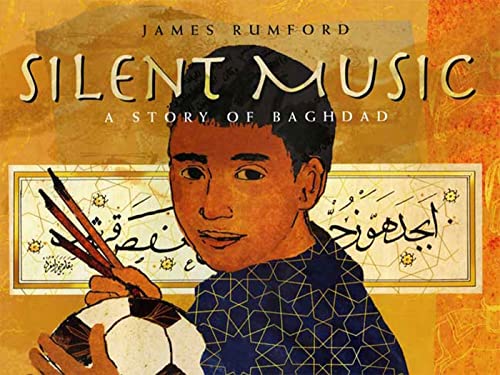
Picture Books
Recommended for grades K–4 and family read-alouds. Short, illustrated books suited to independent or shared reading; some explore subjects that older students can study more deeply.
Middle Grade
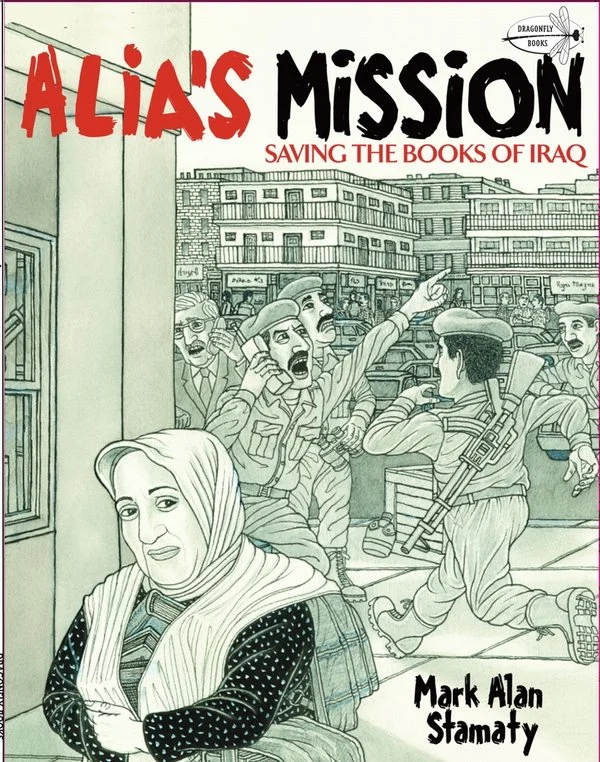
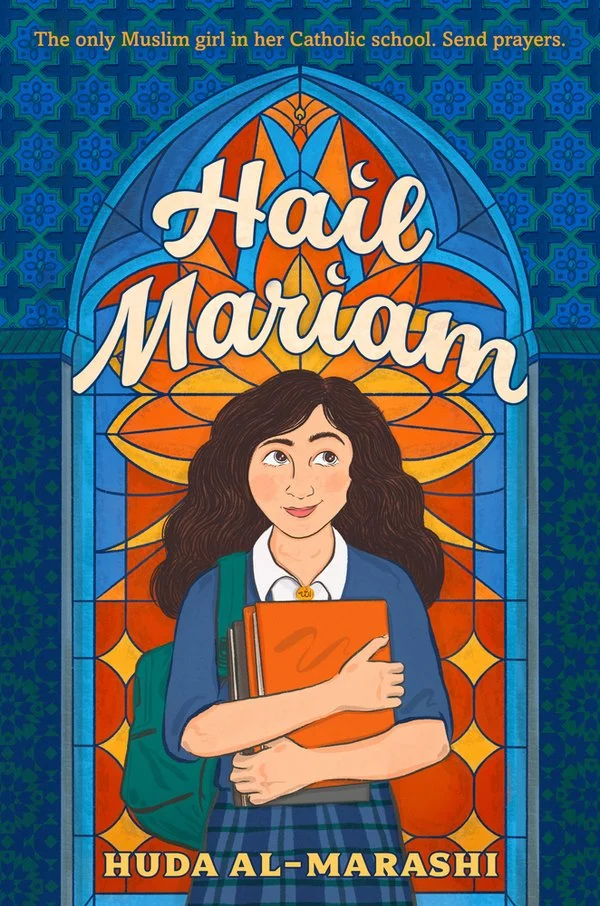
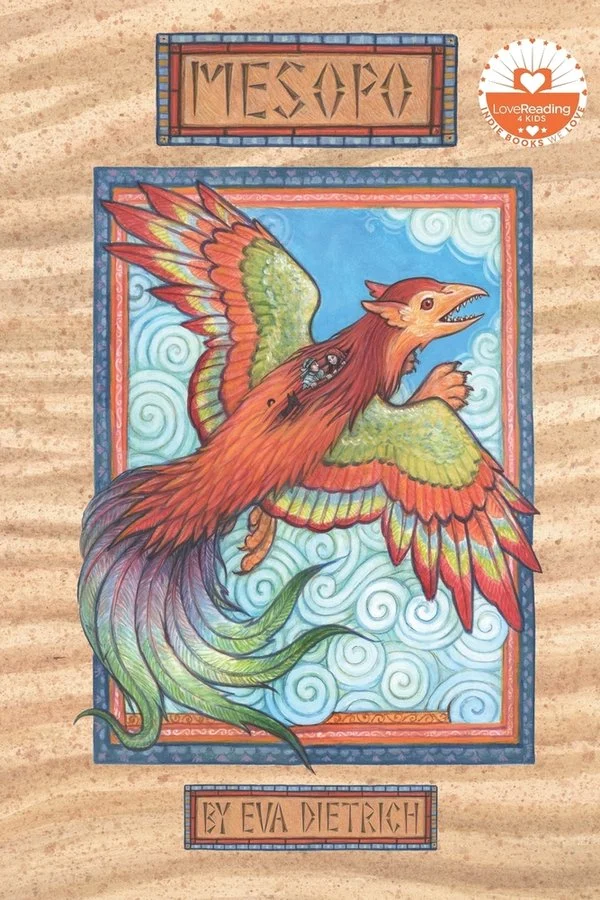
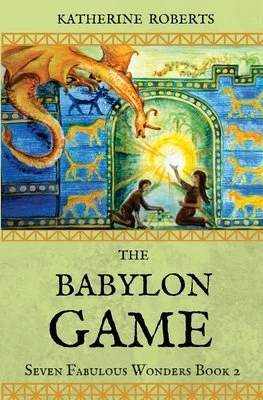
Grade 9 / Advanced
Recommended for grades 8–9 and up. More demanding in length, language, structure, subject matter, or required background knowledge.
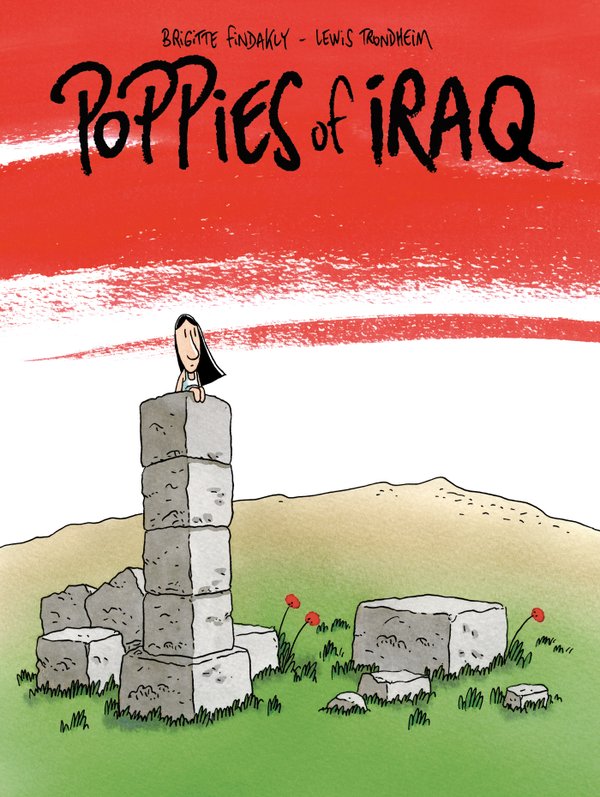
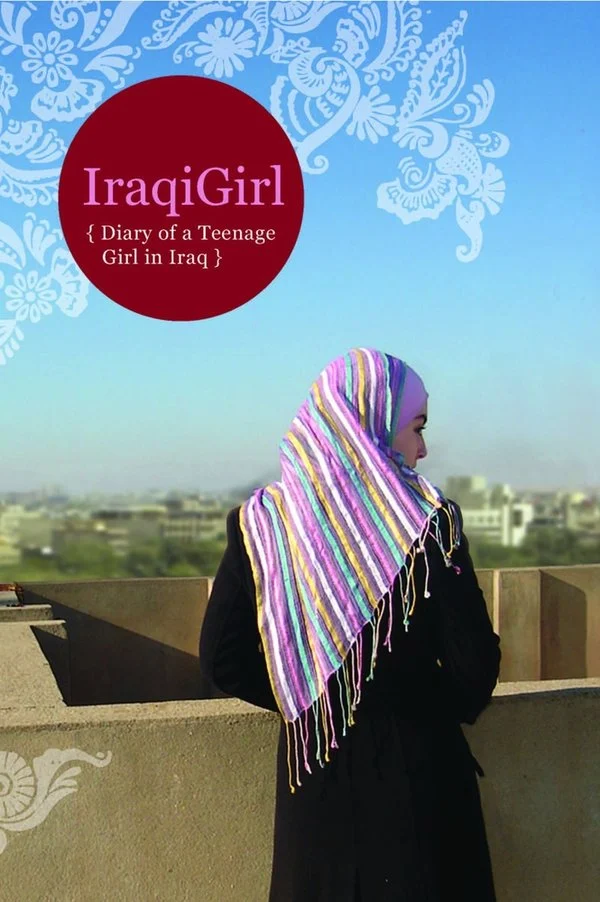
Reference Books
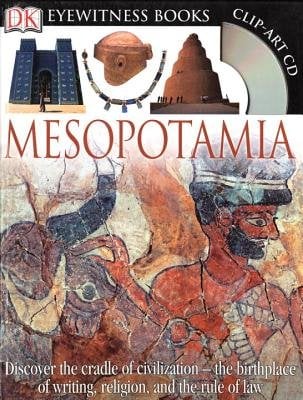
A note for parents
Grade recommendations are based on reading level, complexity, and intended audience. Because every student and family is different, please review the book descriptions and content notes, and preview titles as needed, to determine whether each selection is a good fit for your student and your family's values. Content notes identify potentially sensitive material but may not cover every concern.