Japan
Asia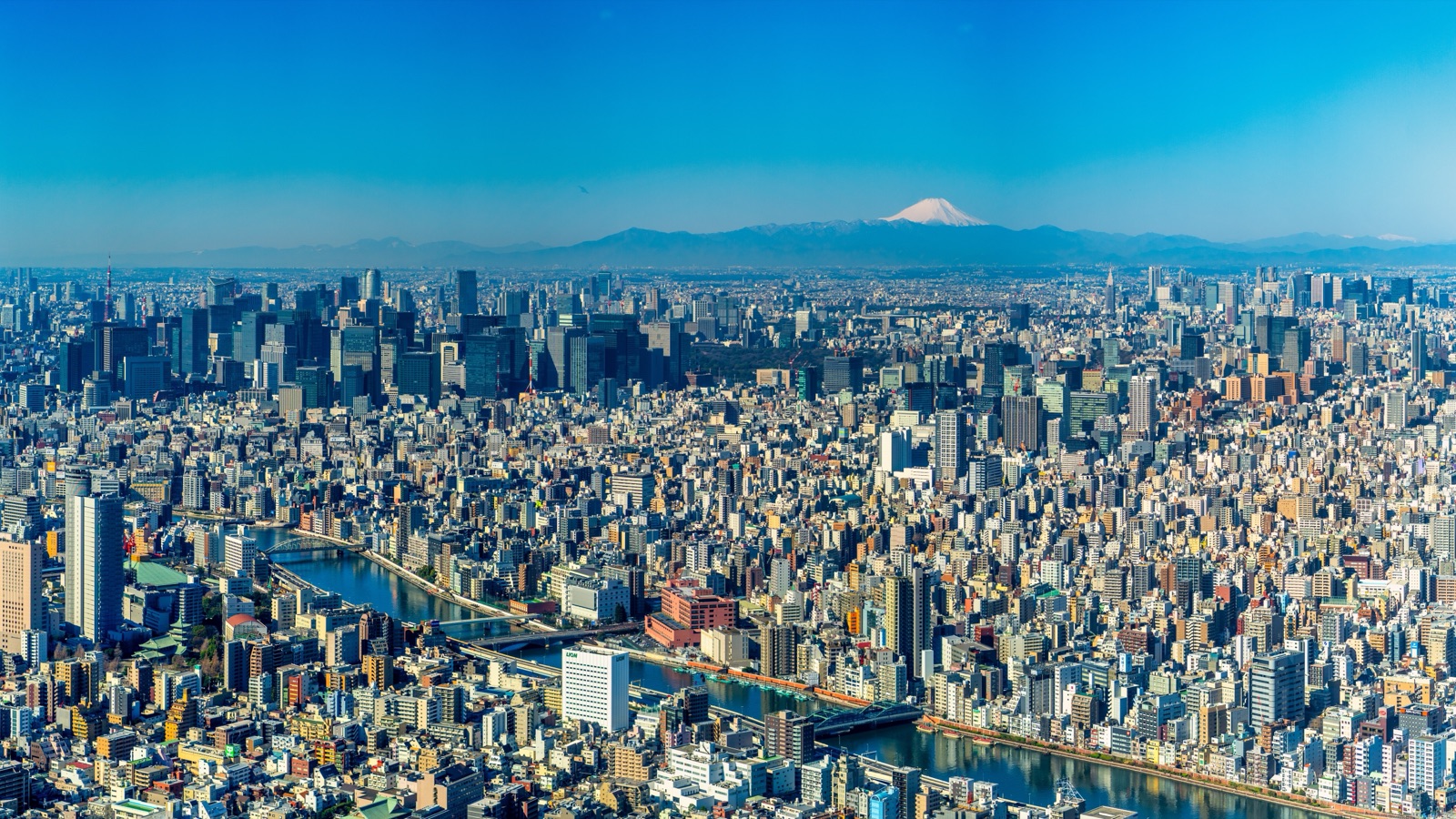
Japan is an archipelago of thousands of islands with an extraordinarily long coastline—longer than that of the contiguous United States even though Japan is only about the size of California. Most people live on its four largest islands: Hokkaido, Honshu, Shikoku, and Kyushu. Okinawa and many smaller islands stretch southwest toward Taiwan. The Sea of Japan lies to the west and the Pacific Ocean to the east, and the surrounding seas have long been important for fishing, transportation, and trade.
Mountains cover about three-quarters of Japan. That leaves most of the country's flat land in narrow areas along the coasts and in river valleys, where cities and farms have developed. The Japanese Alps run through central Honshu, and Mount Fuji, an iconic volcanic cone near Tokyo, rises 3,776 meters (12,388 feet), making it Japan's highest mountain. On clear days, it can be seen from Tokyo.
Japan is one of the snowiest countries in the world, especially on the side facing the Sea of Japan. In winter, cold winds from the Asian continent pick up moisture as they cross the sea, then release huge amounts of snow when they reach Japan's mountains. Farther south, Okinawa's islands are warm and subtropical, giving Japan a striking range of climates from north to south.
Japan lies where several tectonic plates collide, making it one of the world's most earthquake- and volcano-prone countries. Japan has more than 100 active volcanoes and experiences thousands of earthquakes each year, most too small to feel. Strong earthquakes beneath the ocean can also trigger tsunamis, powerful waves that can flood coastal areas. Because these hazards are a regular part of life, Japan has developed earthquake-resistant buildings, early-warning systems, evacuation routes, and frequent emergency drills.
- In the snowy mountains of Japan, wild Japanese macaques—often called snow monkeys—have become famous for bathing in natural hot springs. At Jigokudani, the monkeys climb into pools of steaming water during the cold winter months, sometimes while snow piles up around them.
- A mountain road in Japan is buried under so much winter snow that, each spring, crews carve a path through snowdrifts that can tower up to about 20 meters (65 feet) high. Visitors to the Tateyama Kurobe Alpine Route can travel between walls of snow taller than a six-story building.
Japan is one of the world's most urbanized countries, with roughly nine in ten people living in cities. Because so much of the country is mountainous, many of its largest cities—including Tokyo, Yokohama, Osaka, and Nagoya—are concentrated on flatter coastal plains. Ports, factories, roads, and railways are concentrated in many of these same coastal areas.
Hokkaido and Okinawa tell two very different stories about Japan's regional cultures. Hokkaido is the traditional homeland of the Ainu, an Indigenous people with their own language and cultural traditions. Far to the south, Okinawa was once the center of the independent Ryukyu Kingdom, which traded with China, Korea, Southeast Asia, and Japan. This history helped Okinawa develop distinctive foods, music, arts, and traditions that remain part of the region today.
Written Japanese commonly uses three different writing systems on the same page: kanji, characters that originally came from China; hiragana, used for many Japanese words and grammar; and katakana, often used for words borrowed from other languages and for foreign names. Spoken Japanese also varies by region, with different accents and dialects across the country.
Japan has two major religious traditions. Shinto developed in Japan and centers on kami—sacred beings or spirits connected with nature, places, ancestors, and other parts of life. Buddhism, a religion centered on teachings about suffering, compassion, and the path toward enlightenment, reached Japan from the Asian mainland more than 1,000 years ago. Many people take part in practices connected with both traditions, perhaps visiting a Shinto shrine for one celebration and a Buddhist temple or ceremony for another.
- In many Japanese schools, students help clean their own classrooms, hallways, and other shared spaces instead of leaving all the cleaning to custodians. Cleaning time is part of the school day and gives students responsibility for taking care of the school they share.
- Every August, the city of Goshogawara in northern Japan holds a summer festival called Tachineputa, with music, dancing, and a nighttime parade of huge illuminated floats. Some of the floats rise about 23 meters (75 feet) tall—roughly the height of a seven-story building! They depict warriors, animals, and mythical figures.
Japan manufactures cars and electronics from companies such as Toyota, Honda, Sony, and Panasonic, along with robotics and precision machinery, even though many of the raw materials needed to make these products must be imported. Huge cargo ships bring oil, metals, and other materials into Japan's coastal ports, where many factories are located nearby. Japanese-made cars, machines, and other products then leave through those same ports for markets around the world.
Because flat land is scarce in Japan, people have created new ground along some crowded coastlines by filling in shallow parts of bays. Reclaimed land around major cities supports ports, industry, housing, and transportation. Kansai International Airport near Osaka was built on an artificial island about 5 kilometers (3 miles) offshore in Osaka Bay.
Japan's Shinkansen began linking Tokyo and Osaka in 1964, with trains traveling at up to 210 kilometers (130 miles) per hour—remarkably fast for the time. The high-speed rail network now connects major cities across much of the country. Because earthquakes are common in Japan, earthquake-detection systems can cut power and order moving Shinkansen trains to make emergency stops when dangerous tremors are detected.
Japan has abundant fishing grounds around its islands but relatively little flat land for farming. Fish and seafood have long been important foods, while farmers make careful use of lowlands for rice paddies and other crops. Climate also matters: apples grow in cooler northern Japan, while subtropical Okinawa produces sugarcane. Because farmland is limited for such a large population, Japan also imports a significant share of its food.
- Instant ramen was invented in Japan. After experimenting with ways to make noodles that could be stored and prepared quickly, Momofuku Ando introduced Chicken Ramen in 1958. His invention eventually became a quick meal eaten around the world.
- Japan has tens of thousands of convenience stores, called konbini, and they do much more than sell snacks. At many of them, people can use an ATM, print documents, pay utility bills, send packages, and buy event tickets—all while picking up a meal or groceries.
Recipes
For the whole familyOnigiri Rice Balls
Onigiri are compact portions of rice shaped into triangles or rounds, and they are one of Japan's most familiar everyday portable foods. Families pack them in lunches, travelers carry them on the go, and convenience stores sell shelves of versions filled with ingredients such as salmon, tuna, or pickled plum. The rice is usually lightly salted and may be wrapped in nori seaweed, making onigiri an easy way to experience how central rice remains to everyday Japanese food.
What it is: Hand-shaped Japanese rice, usually lightly salted and wrapped partly or fully with nori, with optional fillings.
Difficulty: Easy; children can help wet and salt their hands, add a simple filling, and shape the warm rice with adult supervision.
Simple Udon Noodle Soup
Udon are thick, chewy wheat noodles eaten throughout Japan in hot soups and cold dishes, with regions developing their own broths, noodle textures, and toppings. Kagawa Prefecture on the island of Shikoku is especially famous for firm Sanuki udon, while other parts of Japan have their own local styles. Using packaged udon and prepared broth keeps this version simple while still giving families a taste of an ordinary Japanese noodle meal.
What it is: Thick wheat noodles served in a light savory broth, usually with scallions and optional toppings.
Difficulty: Easy when made with packaged udon and ready-made or simple broth.
Traditional Games
All agesPractice catching a wooden ball in the cups of a Japanese skill toy and work up to simple tricks.
Tap a shuttlecock back and forth with paddles in a Japanese New Year game related to badminton.
Activities
Make a Cherry Blossom Tree
Create a blooming cherry tree while learning why people across Japan look forward to cherry blossom season each spring
Meet Japan’s Cranes and Snow Monkeys
See red-crowned cranes in Hokkaido and snow monkeys in Japan’s mountain forests, then fold a paper crane of your own
Make a Koinobori Carp Kite
Make a carp-shaped windsock kite to celebrate Children's Day — just like the ones flown outside Japanese homes every May
Dance the Tankobushi
Learn a fun Japanese festival folk dance with easy hand movements that kids can follow along with in minutes
Japan's Many Faces: Photo Exploration
Compare snowy Hokkaido forests, Tokyo's city lights, Kyoto's temples, and Mount Fuji's volcanic cone — all in one island country
Japan: Mountains, Islands, and Crowded Coasts
Map Japan’s four main islands, mountain regions, and a few major cities to see why so many people live on narrow coastal plains
Bon Odori at a Summer Festival
Follow a simple Tankō Bushi sequence and see how community dancing is part of Japan’s summer Obon season
Visit a Shinto Shrine
Explore a real shrine and learn what torii gates, purification water, offerings, and kami mean in Japan’s Shinto tradition
The Wind Phone and the 2011 Tsunami
Locate Ōtsuchi in northeastern Japan and learn why a disconnected garden telephone became a place for remembering people lost in the 2011 tsunami
Build a Terraced Rice-Field Model
Build simple stepped fields and test how water can move from one rice terrace to the next on Japan’s steep hillsides
Why Japan Has Earthquakes, Volcanoes, and Tsunamis
Map the plate boundaries beside Japan and connect them to earthquake zones, volcanoes, coastal risk, and dense settlement
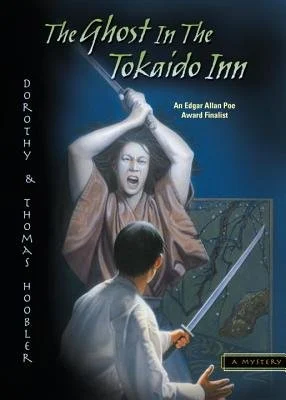
Travel the Tōkaidō Road in Tokugawa Japan
Follow the historic highway between Edo and Kyoto and explore the post towns, travelers, and samurai world of the 1700s
Meet the Ainu of Hokkaido
Explore Ainu language, clothing, food, music, and relationships with northern forests and rivers through Japan’s National Ainu Museum
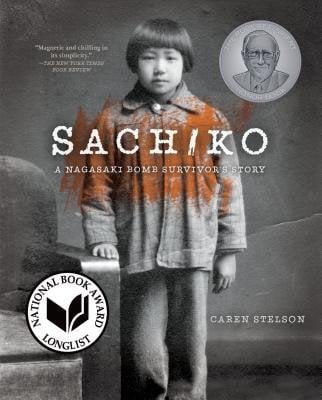
Nagasaki: Remembering the Atomic Bombing
Explore Nagasaki’s memorials and survivor materials to understand what happened on August 9, 1945 and how the city remembers civilians who were killed or injured
How Japanese Writing Uses Three Scripts
Compare kanji, hiragana, and katakana, then try forming one simple character with traditional stroke order
Visit Sensō-ji: A Buddhist Temple in Modern Tokyo
Explore the gates, incense, worship spaces, and shopping street of Tokyo’s oldest Buddhist temple
Travel Across Modern Japan with The Traveling Cat Chronicles
Map the novel’s journey from the Tokyo region toward Hokkaido and compare cities, mountains, coastlines, climate, and transportation along the way
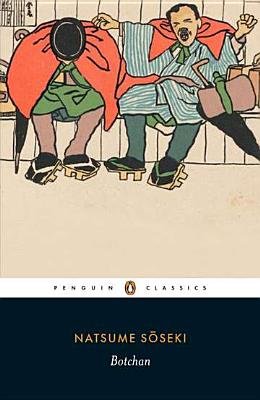
Botchan and a Japan in Rapid Change
Use Matsuyama and early rail travel to explore how schools, cities, transportation, and daily life were changing during Japan’s Meiji era
Japan’s Imperial Expansion and the Pacific War
Map how Imperial Japan expanded across East Asia and the Pacific before and during World War II, then connect that expansion to the war’s devastating end in 1945
Watch Kabuki Theater
Watch a kabuki performance and notice how acting, makeup, costume, music, and stage technology create a highly stylized form of theater
Okinawa and the Ryukyu Kingdom
Explore Japan’s subtropical southern islands and learn how the former Ryukyu Kingdom developed its own culture through trade with China, Japan, Korea, and Southeast Asia
Test Japan’s Earthquake Early Warning Window
Simulate the few seconds between an earthquake alert and stronger shaking to see what people and systems can realistically do in time
Picture Books
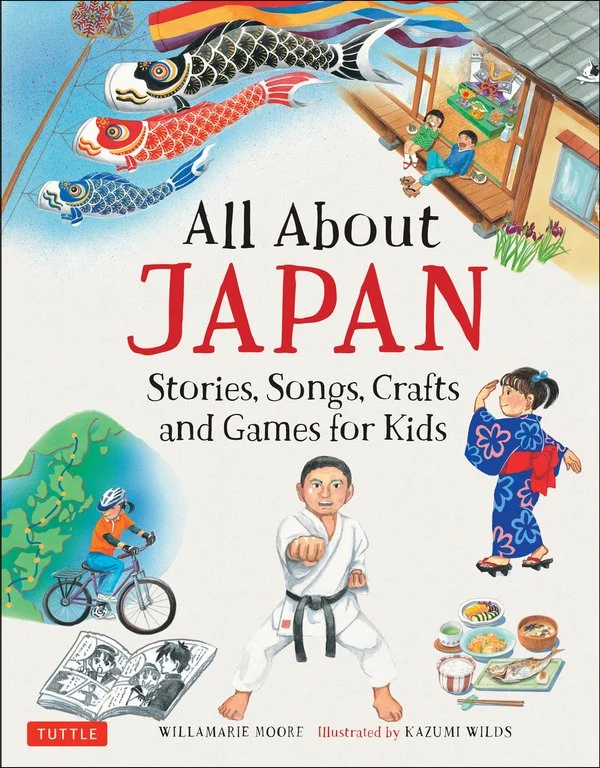
Recommended for grades K–4 and family read-alouds. Short, illustrated books suited to independent or shared reading; some explore subjects that older students can study more deeply.



Middle Grade


Middle Grade / Teen Crossover
Recommended for grades 6–9. Books that appeal across the middle-grade and early-teen years because of their subject matter, themes, or reading level.
Grade 9 / Advanced
Recommended for grades 8–9 and up. More demanding in length, language, structure, subject matter, or required background knowledge.

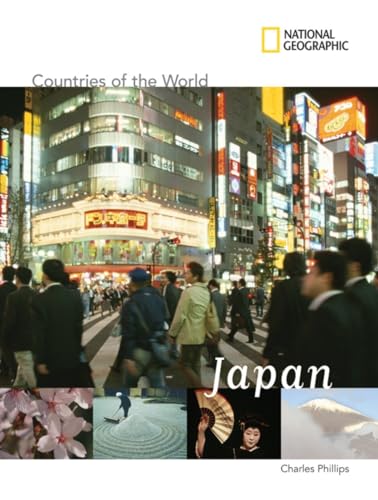
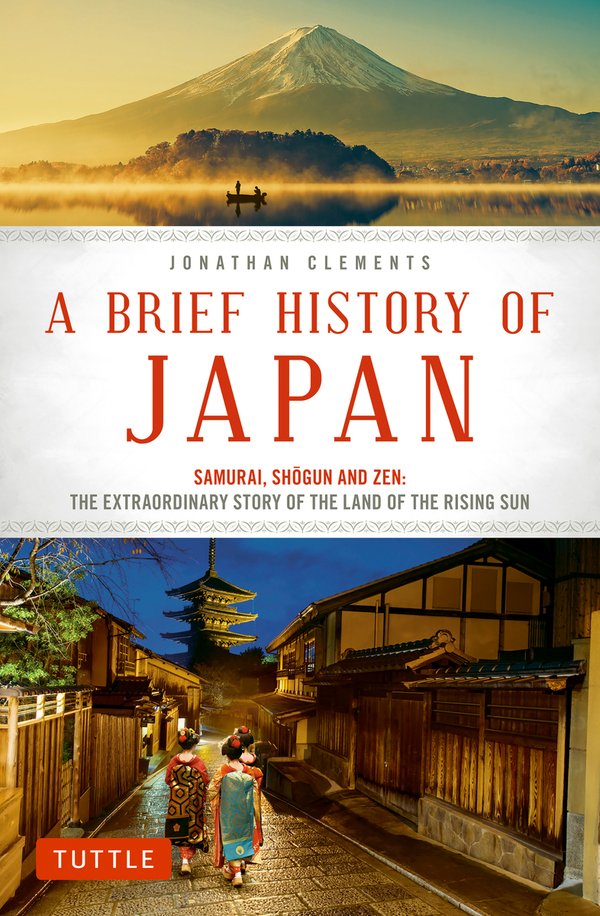
Reference Books
A note for parents
Grade recommendations are based on reading level, complexity, and intended audience. Because every student and family is different, please review the book descriptions and content notes, and preview titles as needed, to determine whether each selection is a good fit for your student and your family's values. Content notes identify potentially sensitive material but may not cover every concern.