Kenya
Africa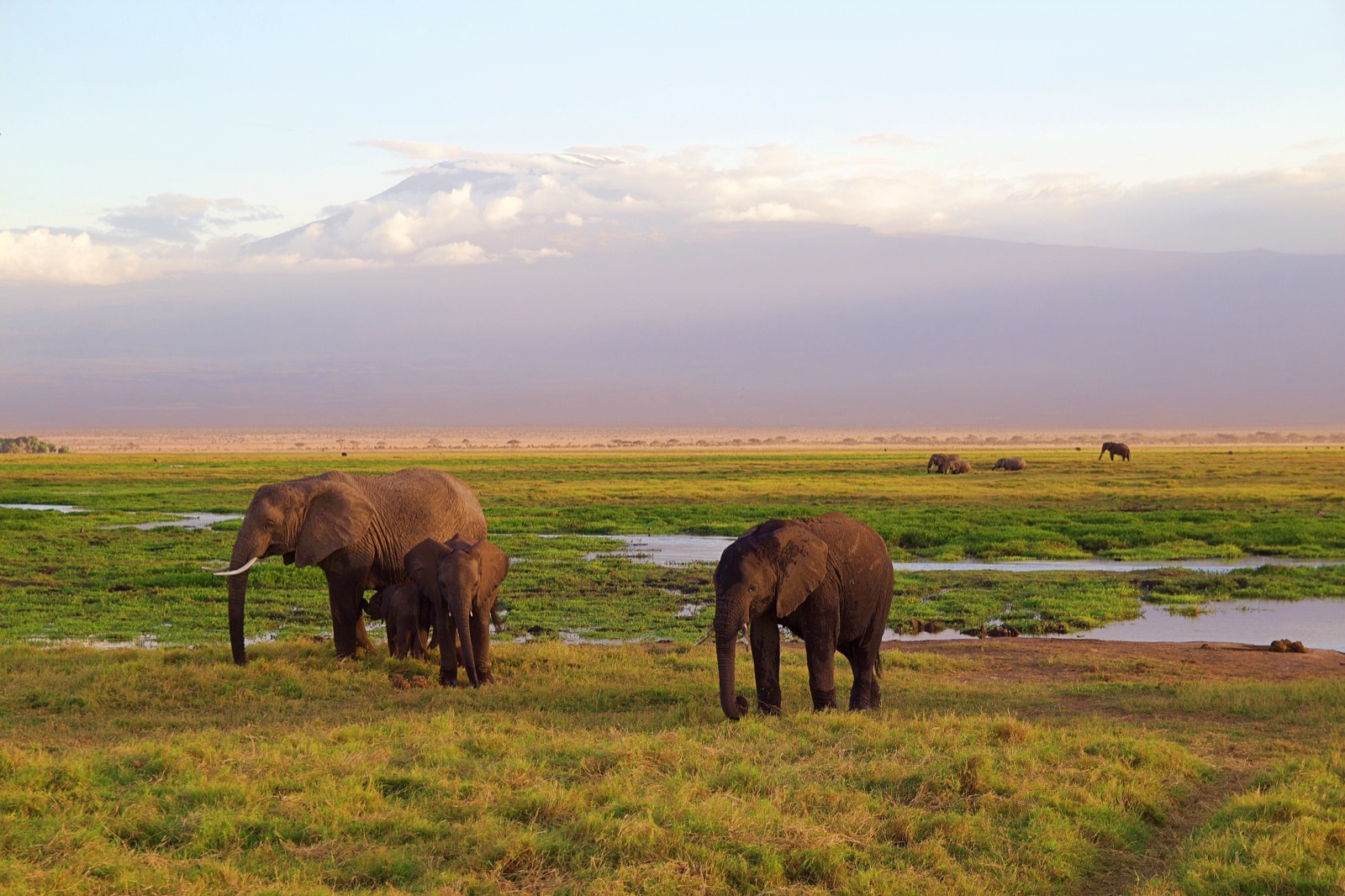
One of Earth's most dramatic geological features slices north to south through Kenya, creating steep cliffs, a chain of unusual soda lakes—including Turkana, Nakuru, and Bogoria—volcanoes, and abundant fossil sites. The Great Rift Valley is part of a vast zone where Earth's crust is slowly pulling apart. Layers of sediment in the valley have preserved some of the oldest fossils of early human ancestors ever discovered.
Mount Kenya, Africa's second-highest peak, rises to 5,199 meters and straddles the equator. It is the heavily eroded remnant of an ancient volcano, and glaciers still cap its highest peaks, though they have shrunk dramatically since the early 20th century. Its forested slopes catch rain and feed rivers that supply water to farms and communities below.
Lake Victoria, the world's largest tropical lake, covers about 68,800 square kilometers along Kenya's southwestern border and is shared with Uganda and Tanzania. It is also one of the principal sources of the White Nile, which eventually flows north to the Mediterranean. The lake supports vast freshwater fisheries and millions of people living around its shores.
Kenya packs dramatically different climate zones into a single country: a hot, humid Indian Ocean coast; cool highland forests and tea-growing country in the center; sweeping savanna in the south, including the Maasai Mara; and arid scrubland in the north. Altitude, more than latitude, determines where rain falls and which crops grow, so places high in the mountains can be cool even though Kenya lies on the equator.
- Mount Kenya straddles the equator, yet glaciers still cling to its three highest peaks. They have shrunk dramatically over the past century and may disappear within the lifetimes of today's students.
- At times, enormous flocks of flamingos turn some of Kenya's Rift Valley lakes pink. The unusual mineral-rich water in these lakes supports huge amounts of algae and other tiny organisms that flamingos eat, sometimes bringing hundreds of thousands of the birds together.
Kenya's roughly 59 million people belong to more than 40 ethnic groups—including Kikuyu, Luo, Luhya, Kamba, Kalenjin, Maasai, and many more. About half the population lives in rural areas, where farming and herding remain important in many communities, while people from many backgrounds live and work together in Kenya's growing towns and cities.
Swahili (Kiswahili) is Kenya's national language, a Bantu language with Arabic, Portuguese, and English loanwords, used across East Africa as a shared language among people whose first languages differ. English is also an official language. More than 40 ethnic languages are spoken across Kenya, from Kikuyu and Luo in the highlands to Maasai on the savanna and Somali in the north.
Nairobi began as a railway camp in the late 1890s and grew into Kenya's capital and commercial hub. Today it is one of East Africa's largest cities and a major financial and technology center, sometimes nicknamed "Silicon Savannah" for its growing startup industry.
Britain imposed colonial rule on Kenya in the late 1800s. The colonial government seized large areas of fertile highland land for European settlers, displacing African communities and denying most Africans meaningful political power. Resistance grew over the following decades, including the Mau Mau uprising in the 1950s as well as broader political movements demanding self-government. Kenya became independent in 1963.
- Kenyan runners have won the Boston Marathon more than 30 times and have set world records at multiple distances. The high-altitude Rift Valley around Iten has become a center of this running culture, drawing elite athletes from Kenya and around the world to train roughly 2,400 meters above sea level.
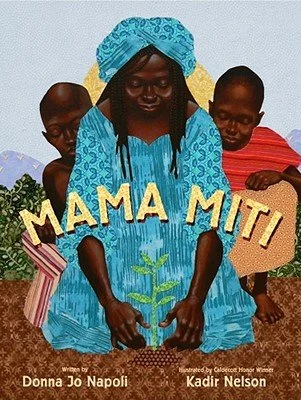
- A Kenyan movement led largely by women has planted more than 50 million trees. Wangari Maathai founded the Green Belt Movement in 1977, organizing women to plant trees that protected soil, provided firewood, and restored forests around their communities. In 2004 she became the first African woman to receive the Nobel Peace Prize.
Tea and coffee grown in Kenya's cool highlands are major export earners, sold to markets in Europe, Asia, and beyond. High elevation brings cooler temperatures and reliable rainfall, creating especially good conditions for these crops.
Kenya exports over 500 million flower stems to Europe each year, mostly roses grown at high altitude beside Lake Naivasha in the Rift Valley. Cut at dawn, packed the same day, and flown overnight to Amsterdam's flower auctions, they can arrive on European shop shelves within 48 hours.
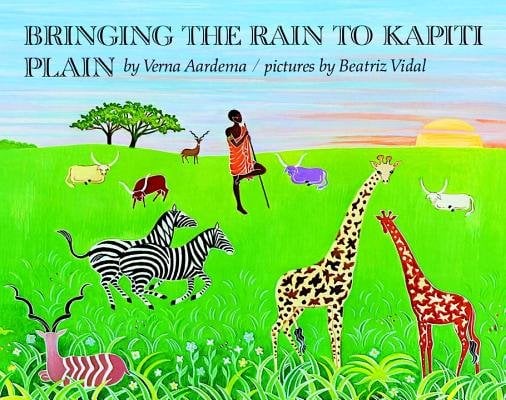
Tourism draws visitors to very different parts of Kenya: wildlife safaris in places such as the Maasai Mara and beach holidays along the Indian Ocean coast. These landscapes support hotels, guides, transportation, and other businesses across the country.
M-Pesa, Kenya's mobile money system, launched in 2007 with a basic text-message interface. It lets people send money, pay bills, and withdraw cash through local agents without needing a traditional bank branch. Tens of millions of Kenyans now use it, making Kenya a global model for mobile financial services.
- Kenya turns heat from deep inside Earth into electricity. In the Great Rift Valley, hot rock beneath the surface heats underground water, and power plants use the resulting steam to generate electricity; Kenya's first geothermal power plant at Olkaria was also the first in Africa.
- Only four cities in the world host one of the United Nations' major offices—and Nairobi is one of them. Kenya's capital is home to the world headquarters of both the UN Environment Programme and UN-Habitat.
Recipes
For the whole familyUgali
Ugali is a firm maize-flour staple eaten across Kenya and much of East Africa. Maize arrived from the Americas centuries ago and became an important crop; today ugali is commonly served beside vegetables, beans, fish, meat, or stew and eaten by pinching off a small piece to scoop up the accompanying food.
What it is: A thick, dough-like cornmeal dish made with only maize flour and water.
Difficulty: Easy ingredients, though an adult may need to help with the vigorous stirring near the end.
Kachumbari
Kachumbari is a fresh tomato-and-onion salad eaten in Kenya and elsewhere in East Africa, often alongside ugali, rice, grilled foods, or other main dishes. Versions vary by cook and region: some add cilantro, lime or lemon, mild chile, avocado, or cucumber.
What it is: Chopped tomato and onion mixed into a bright, fresh side dish.
Difficulty: Very easy; no cooking is required, though an adult should help younger children with chopping.
Traditional Games
All agesPlay a fast Kenyan listening game whose name means "meat, meat, meat."
Try a Kenyan playground ball game built around dodging, throwing, and quick reactions.
Activities
Listen to Swahili Greetings
Hear a Kenyan Swahili greeting song and try a few simple greetings without treating one word as “the Kenyan hello."
Plant a Seed for Mama Miti
Plant one seed while learning how Wangari Maathai turned tree planting into a nationwide movement.
Make a Paper Roll Giraffe
Make a toilet paper roll giraffe with a long neck and spotted coat — the tallest animal on Earth, standing up to 5.5 meters
Kenyan Animal Track Art
Stamp the footprints of a lion, elephant, zebra, and giraffe to make a savanna scene — and match tracks to animals
Sing and Clap "Jambo Bwana"
Learn Kenya's most famous welcome song in Swahili — and the real origin of "hakuna matata"
Watch an Adumu Performance
Watch a Maasai adumu performance and notice how jumping, singing, rhythm, and group participation work together.
Explore the Maasai Mara
Watch real footage from one of Kenya's best-known grassland ecosystems and simply notice what makes the place distinctive.
Model a Rift Valley Escarpment
Build a simple model showing how faulting can create steep escarpments and a lower valley floor.
Kenya Outline Map + Label
Build the basic map students will use to understand the rest of the country.
Iten: The World's Running Capital
See why this small Kenyan town at 2,400 meters produces more champion long-distance runners than anywhere else on Earth.
Mombasa and the Indian Ocean Trade Routes
Trace the trade routes that connected coastal Kenya to Arabia, India, and Persia long before European ships arrived.
Watch an Isukuti Performance
Experience the fast drums, singing, call-and-response, and movement of a living western Kenyan tradition.
Explore the Swahili Coast: Lamu Old Town
Explore a centuries-old port town that shows a very different side of Kenya from the inland highlands and savannas.
Iten: Kenya’s High-Altitude Running Center
Visit the Rift Valley town that has become one of the world’s best-known training centers for distance runners.
Lake Turkana: Meet Turkana Boy
Discover why a dry lake basin in northern Kenya has helped scientists learn about early humans.
Kenya from Lake Victoria to the Indian Ocean
Trace how elevation, climate, and landscapes change across the country.
Reading Maasai Beadwork: A Visual Language
Maasai beadwork isn't decoration — it's a communication system that encodes identity.
Kenya’s Creative Scene: Benga and Beyond
Hear one of Kenya’s influential popular-music styles, then meet contemporary Kenyan artists, filmmakers, musicians, and designers shaping culture today.
Explore Modern Nairobi
See Kenya’s capital as a large, fast-changing African city rather than treating the country only through rural or wildlife settings.
Follow Kenyan Tea from Highland to World Market
Trace one familiar product from Kenya’s cool highlands into a global trade network.
Living with Wildlife in Kenya
Look at conservation as a question of how people, livestock, farms, and wildlife share land.
Kenya’s Road to Independence
Connect colonial land policies, resistance, the Mau Mau Emergency, and independence in 1963.
Wangari Maathai’s Nobel Lecture
Hear Maathai explain in her own words why planting trees became connected to democracy, peace, women’s leadership, and daily life.
Picture Books
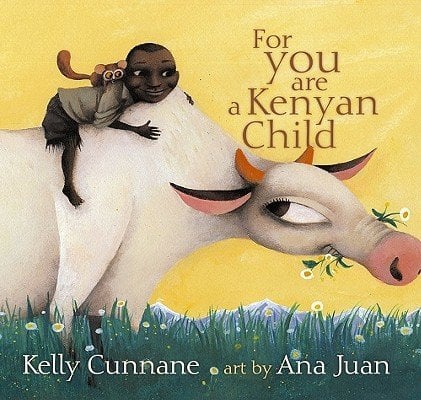
Recommended for grades K–4 and family read-alouds. Short, illustrated books suited to independent or shared reading; some explore subjects that older students can study more deeply.
Middle Grade
Middle Grade / Teen Crossover
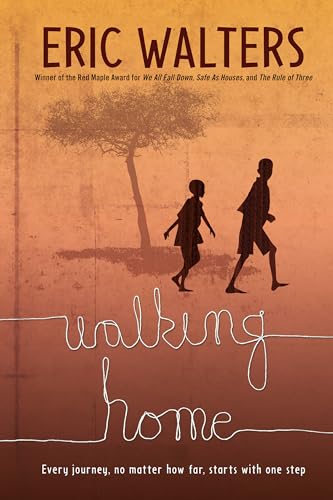
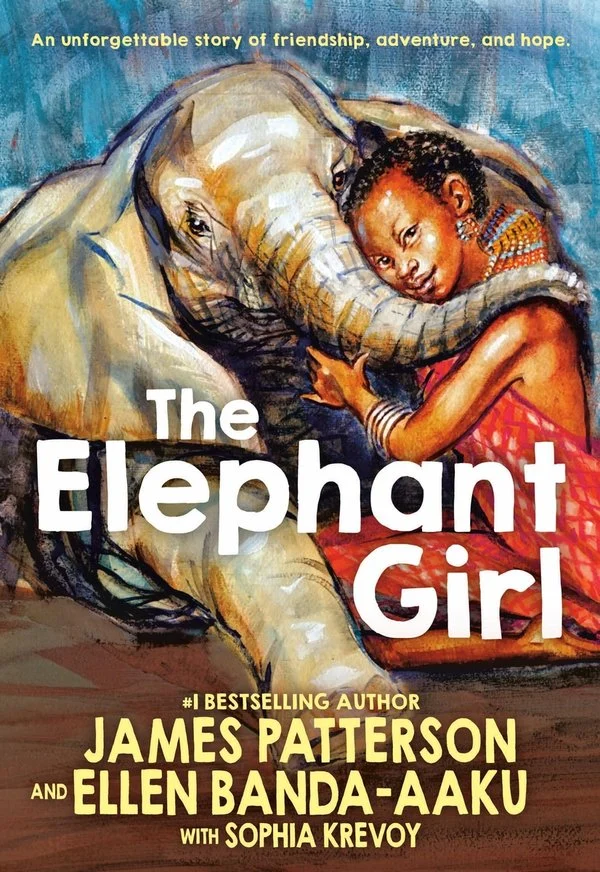
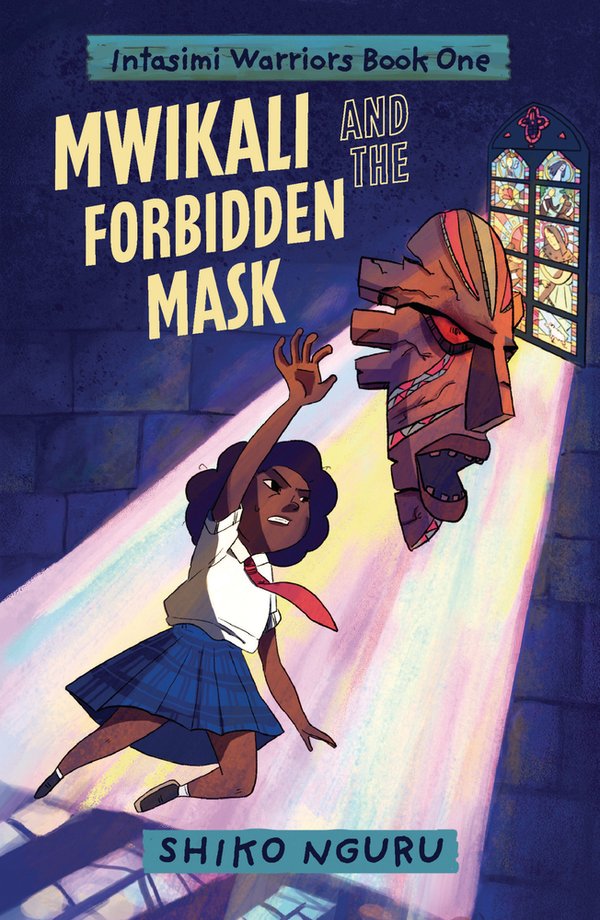
Recommended for grades 6–9. Books that appeal across the middle-grade and early-teen years because of their subject matter, themes, or reading level.
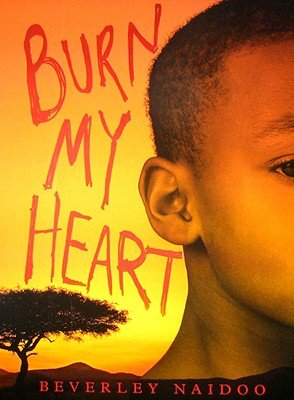
Grade 9 / Advanced
Recommended for grades 8–9 and up. More demanding in length, language, structure, subject matter, or required background knowledge.
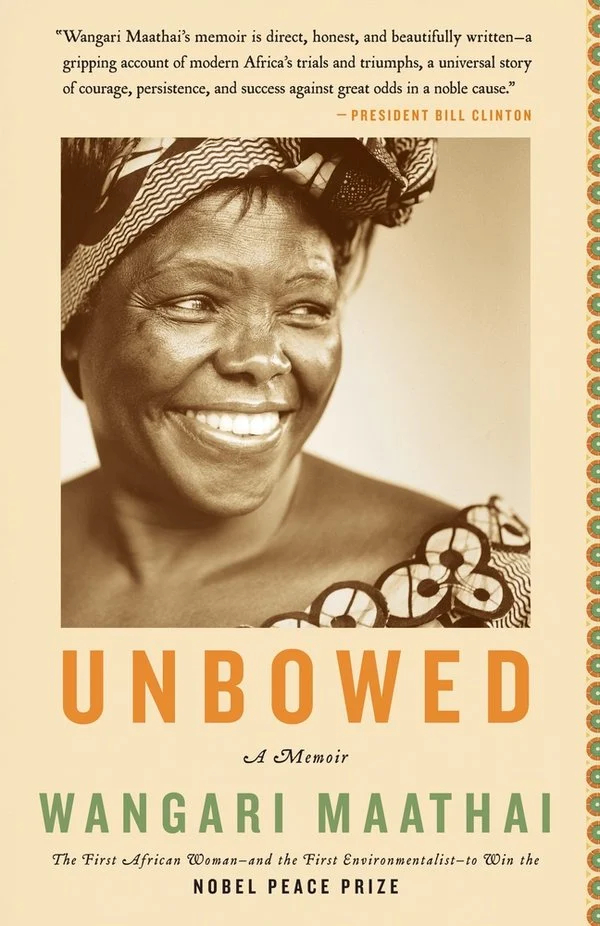
Reference Books
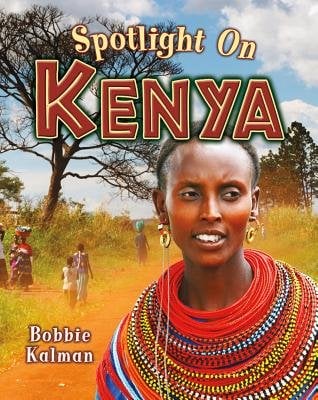
A note for parents
Grade recommendations are based on reading level, complexity, and intended audience. Because every student and family is different, please review the book descriptions and content notes, and preview titles as needed, to determine whether each selection is a good fit for your student and your family's values. Content notes identify potentially sensitive material but may not cover every concern.