Mexico
North America & Caribbean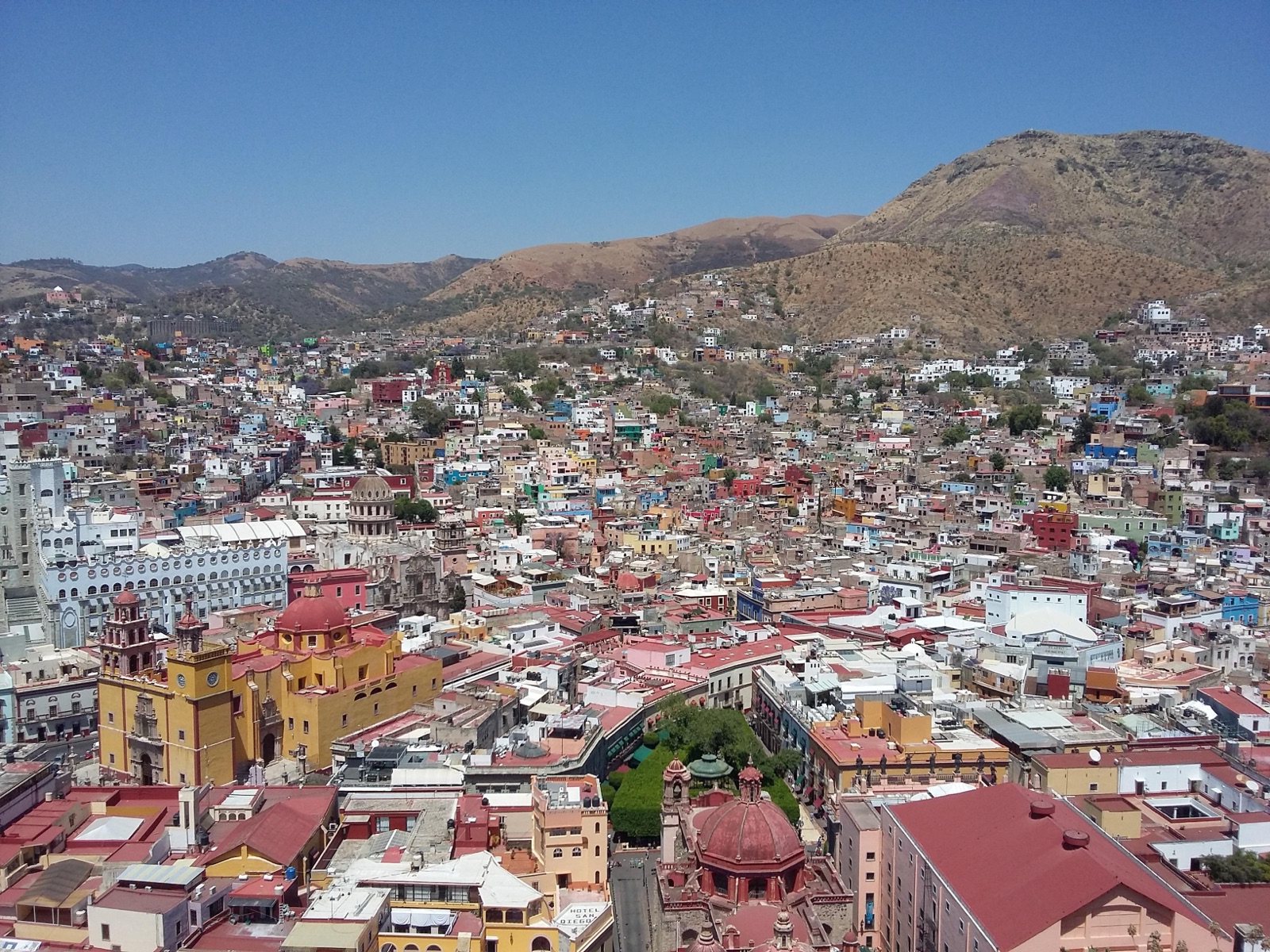
Mexico is bordered by the Pacific Ocean to the west, the Gulf of Mexico to the east, and the Caribbean Sea along the Yucatán Peninsula in the southeast. Along these coasts are very different environments, from dry Pacific shores to Gulf wetlands and Caribbean coral reefs, as well as fishing grounds, ports, and major tourism areas.
Much of central Mexico lies on a high plateau between long mountain ranges, with active volcanoes rising across the region. The mountain ranges are part of the Sierra Madre system, while a belt of volcanoes crosses central Mexico, including Popocatépetl near Mexico City and Puebla, one of the country's most active volcanoes. The high elevation makes many central highlands cooler than nearby lowlands and has helped shape where cities and farms developed.
The Río Bravo—the river known as the Rio Grande in the United States—forms much of the border between Mexico and Texas. It runs through a dry region where farms and cities on both sides depend heavily on its water. Mexico and the United States use treaties to divide and manage this limited supply.
Mexico ranges from cactus-filled deserts and cool mountain forests to tropical rainforests, mangrove wetlands, and coral reefs. Its long north-south span, dramatic changes in elevation, and mountains that redirect rainfall create these sharp contrasts. This range of habitats helps make Mexico one of the world's most biologically diverse countries.
- Copper Canyon in northern Mexico is a vast network of deep canyons cut through the Sierra Madre mountain system. Together, they cover a larger area than the Grand Canyon, and some are deeper. The rugged mountains are also the homeland of Rarámuri communities, whose long-distance running traditions have become famous far beyond the region.
- Parts of Mexico City are sinking because the city stands on the soft bed of a former lake. The Mexica, often called the Aztecs, built their capital Tenochtitlan on islands in Lake Texcoco; after the Spanish conquest in the 1500s, the lake was gradually drained and the city spread across the lakebed. Today, pumping groundwater compresses the soft sediments below, causing some areas to sink and making earthquake shaking especially intense.
Mexico is home to millions of Indigenous people from many distinct peoples, including the Nahua, Maya, Mixtec, Zapotec, and Rarámuri. The Mexican government recognizes 68 Indigenous language groups, and many communities continue to speak their own languages and maintain distinct traditions, foods, celebrations, and forms of community life.
Indigenous peoples and traditions that existed long before Spanish conquest are still part of Mexico today. The Maya built major cities in the south and Yucatán, while the Mexica, often called the Aztecs, built Tenochtitlan where Mexico City now stands. Spanish conquest overthrew Indigenous governments and imposed colonial rule, but Indigenous languages, foods, place names, farming traditions, and communities endured and remain part of Mexico today.
More than 20 million people live in the Mexico City metropolitan area, making it one of the largest urban areas in the Western Hemisphere. The capital dominates national politics, finance, media, and culture. Farther north, Monterrey grew around manufacturing and business, while Guadalajara is the largest city of western Mexico and an important center for technology, industry, and culture.
Son jarocho music in Veracruz, Maya-speaking communities in Yucatán, and northern ranching traditions all belong to the same country. Different Indigenous peoples, landscapes, migration patterns, and connections with other parts of the world helped Mexico's regions develop distinct traditions. In Veracruz, for example, son jarocho grew from Indigenous, African, Spanish, and Caribbean musical traditions.
- During Día de Muertos, many Mexican families remember relatives and friends who have died by creating ofrendas, or remembrance displays. They may include photographs, marigolds, candles, favorite foods, and objects connected with the person being honored, and some families also visit and decorate graves.
- The English words avocado and tomato ultimately come from Nahuatl, an Indigenous language still spoken by more than a million people in Mexico today.
Some products cross the U.S.-Mexico border several times while they are being made, as different factories on each side produce different parts. Factories on both sides make different components, creating closely linked production networks across North America. Major manufacturing centers in northern and central Mexico produce cars, electronics, appliances, aerospace parts, and other goods for markets across the continent and beyond.
Avocados thrive in Mexico's cooler highlands, coffee grows in wetter southern mountains, and irrigation makes farming possible in much drier regions. Agave grows especially well in parts of western and central Mexico, while other regions produce fruit and vegetables. Maize, or corn, remains one of the country's most important foods and crops.
In the early 1970s, Cancún was still a lightly developed stretch of Caribbean coast; today it is one of Mexico's largest resort destinations. The Mexican government deliberately developed the area for tourism, building roads and an international airport as hotels and resorts spread along the coast.
Many families in Mexico have relatives working in the United States who send part of what they earn back home. These payments, called remittances, help households pay for food, housing, education, businesses, and other expenses. Because migration between the two countries has continued for generations, millions of these transfers together bring billions of dollars into Mexico each year.
- Maize, or corn, was first domesticated in what is now Mexico thousands of years ago. Farmers gradually selected and cultivated a wild grass called teosinte until it became the crop that now feeds people around the world.
- Beginning in the 1500s, silver mined in Mexico was turned into coins that circulated across the Americas, Europe, and Asia. Mining centers such as Zacatecas and Guanajuato supplied silver for Spanish pesos that became widely used in international trade.
Recipes
For the whole familyFresh Guacamole
Avocados have been cultivated in Mexico and other parts of Mesoamerica for thousands of years. Guacamole can be very simple — sometimes little more than mashed avocado, chile, and salt — or include tomato, onion, cilantro, lime, and other ingredients depending on the cook and region. Today it is eaten as a side, topping, snack, or accompaniment to foods such as tacos, tostadas, and grilled dishes.
What it is: Mashed ripe avocado mixed with tomato, onion, cilantro, salt, and optional chile or lime.
Difficulty: Very easy once an adult has handled any chopping.
Homemade Corn Tortillas
Maize was domesticated in Mexico thousands of years ago and became one of the foundations of Mesoamerican agriculture and food. Corn tortillas remain an everyday staple across much of Mexico, although regional diets vary and wheat-flour tortillas are particularly important in parts of northern Mexico. Tortilla dough is traditionally made from nixtamalized maize — corn treated with an alkaline solution that changes its texture, flavor, and nutritional qualities.
What it is: Soft flatbreads made from masa harina, a flour made from nixtamalized corn, and water.
Difficulty: Easy. Children can mix and shape the dough; an adult should handle the hot skillet or comal.
Traditional Games
All agesListen for picture cards and race to cover a matching row on your tabla.
Spin a six-sided top and follow a short Spanish direction telling you to add or take counters.
Activities
Listen and Move to “La Bamba” from Veracruz
Hear strings, singing, and rhythmic footwork in Veracruz's son jarocho tradition
Look Closely at a Día de Muertos Ofrenda
Find photographs, flowers, candles, foods, and personal objects placed to remember someone who has died
Make Papel Picado
Fold and cut tissue paper to see how repeated cuts become a decorative Mexican paper banner
Make a Mini Piñata
Shape a small star piñata from cardboard and crepe paper — the traditional seven-pointed kind that represents overcoming temptation
Make Edible Sugar Skulls
Press sugar into skull molds and decorate with colored icing — the way Mexican families honor loved ones during Día de Muertos
Mexico's Surprising Landscapes: Photo Exploration
Find glowing cenotes, Copper Canyon, Sonoran Desert cacti, and tropical jungle — Mexico is far more than beaches
Map Mexico: From Desert to Rainforest
Map Mexico's northern deserts, central highlands, volcanic belt, peninsulas, and tropical southeast
Mexico's One-of-a-Kind Animals
Place an axolotl, vaquita, volcano rabbit, and Mexican prairie dog in the limited Mexican habitats where they live
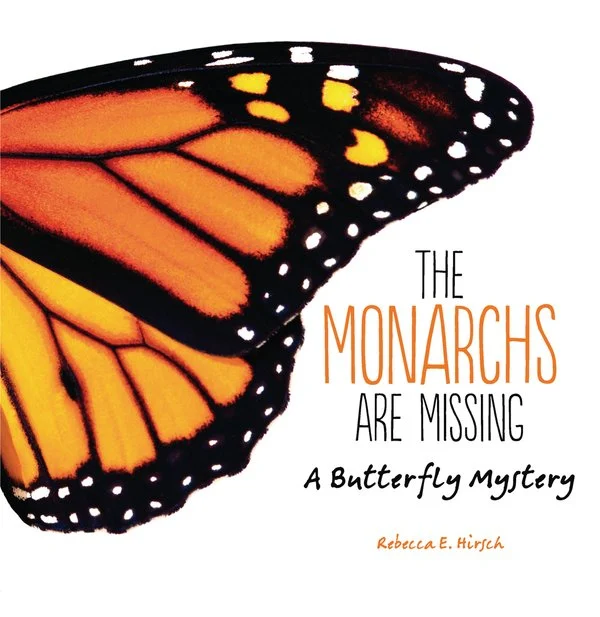
Trace the Monarch Migration to Mexico
Follow monarch butterflies thousands of miles to the cool mountain forests where they spend the winter
Explore Mexican Rebozos
Compare real shawls from different places and notice how weaving, dyeing, fringe, and use can vary
Teotihuacan: A City Before the Mexica
Explore the avenue, pyramids, murals, and neighborhoods of a huge city that flourished centuries before Tenochtitlan
Many Indigenous Mexicos
Meet contemporary Rarámuri, Maya, and Zapotec people in three different parts of Mexico
Mariachi: Hear the Ensemble
Listen for violins, trumpets, vihuela, guitar, and guitarrón in a tradition rooted in western Mexico
Explore Frida Kahlo's Casa Azul
Use Frida Kahlo's home, garden, belongings, and paintings to see how an artist's surroundings can become part of her work
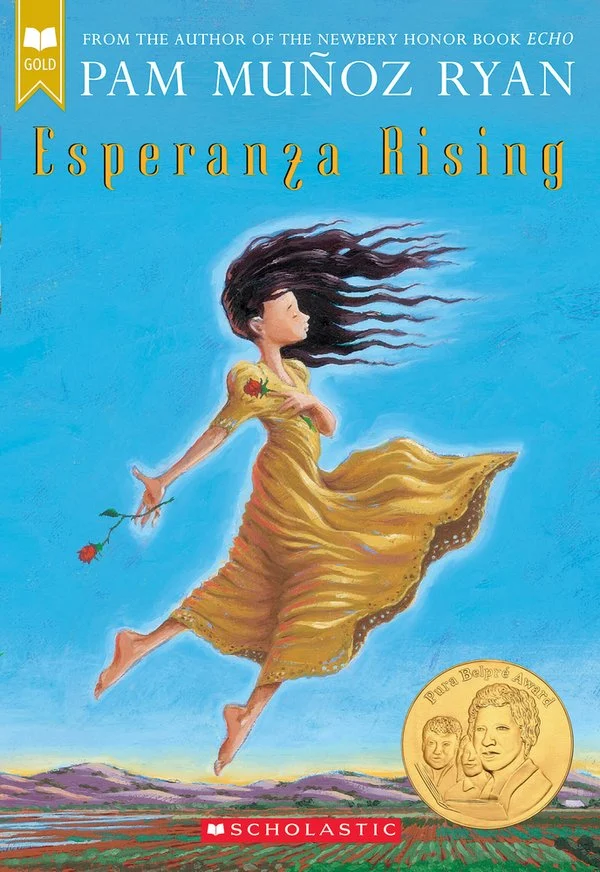
Map Esperanza's Journey North
Trace Esperanza's journey from Mexico's central highlands to California's agricultural valleys
Xochimilco: Chinampas, Canals, and Axolotls
Draw how a chinampa works and see why an ancient farming system still matters inside modern Mexico City
Who Conquered Tenochtitlan?
Use historical images to replace the myth that a few Spaniards defeated the Mexica by themselves
What Were Mexicans Fighting to Change? The Mexican Revolution
Look at people caught up in the Revolution and see why they did not all want exactly the same changes
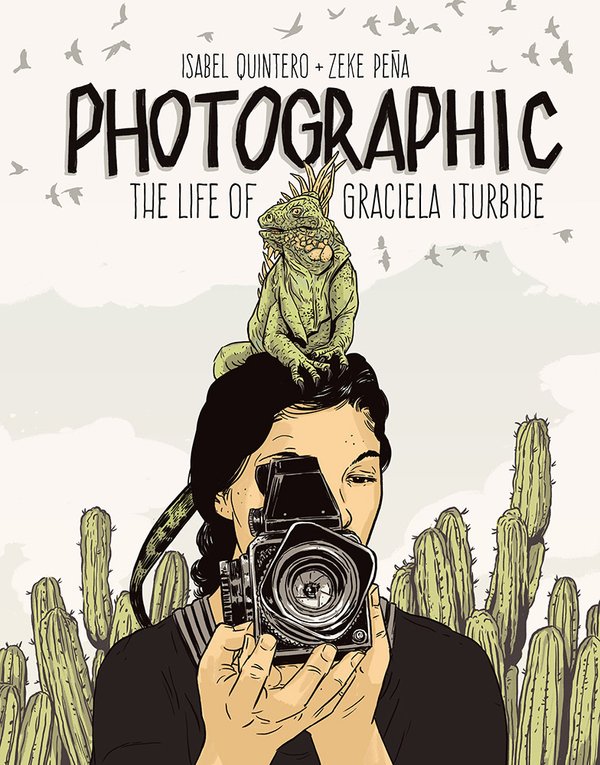
Graciela Iturbide: Photographing People and Place
Study how one Mexican photographer frames people within their communities and landscapes, then test one technique yourself
Jacinto Canek: History and Literary Memory
Compare what historians know about a 1761 Maya rebellion with the way a later writer turned Canek into a literary hero
When the Border Moved: Mexico Before and After 1848
Compare maps before and after the Mexican-American War and ask what happened to people who stayed in place while the country around them changed
Mexico City Is Sinking
Read a satellite map of land subsidence and connect today's water problem with the ancient lakebed beneath the city
NAFTA and the Maquiladora Belt: Who Won, Who Lost
US corn flooded Mexico. Mexican factories boomed. Small farmers lost everything.
Cartel Territories: The Geography of Organized Crime in Mexico
Cartels control specific territories, tax businesses, and in some regions function like states.
Picture Books
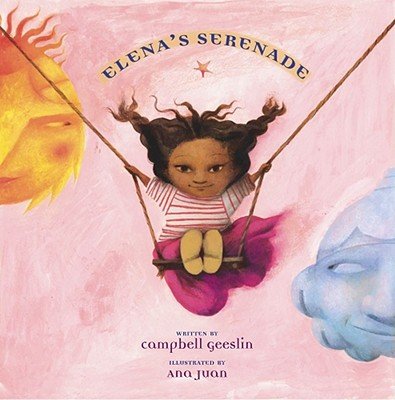
Recommended for grades K–4 and family read-alouds. Short, illustrated books suited to independent or shared reading; some explore subjects that older students can study more deeply.
Middle Grade
Middle Grade / Teen Crossover
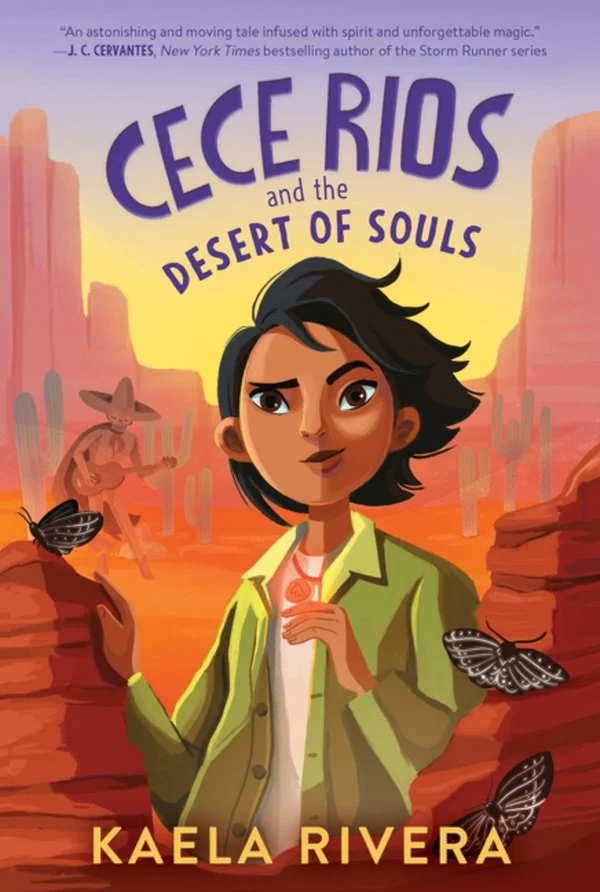
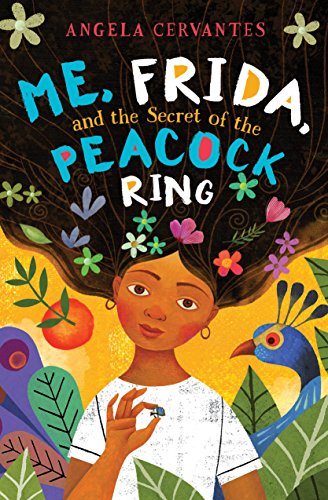
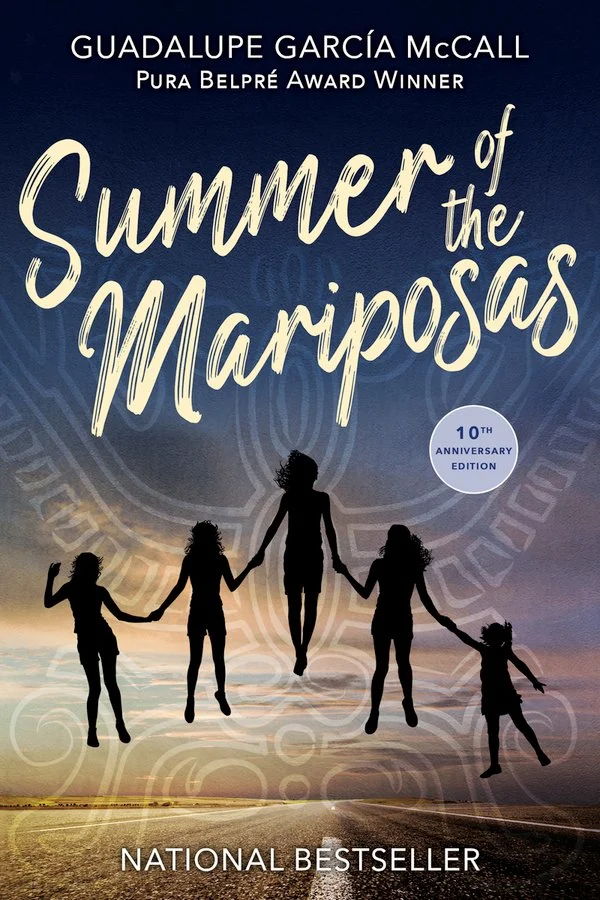
Recommended for grades 6–9. Books that appeal across the middle-grade and early-teen years because of their subject matter, themes, or reading level.
Grade 9 / Advanced
Recommended for grades 8–9 and up. More demanding in length, language, structure, subject matter, or required background knowledge.
Reference Books
A note for parents
Grade recommendations are based on reading level, complexity, and intended audience. Because every student and family is different, please review the book descriptions and content notes, and preview titles as needed, to determine whether each selection is a good fit for your student and your family's values. Content notes identify potentially sensitive material but may not cover every concern.