New Zealand
Oceania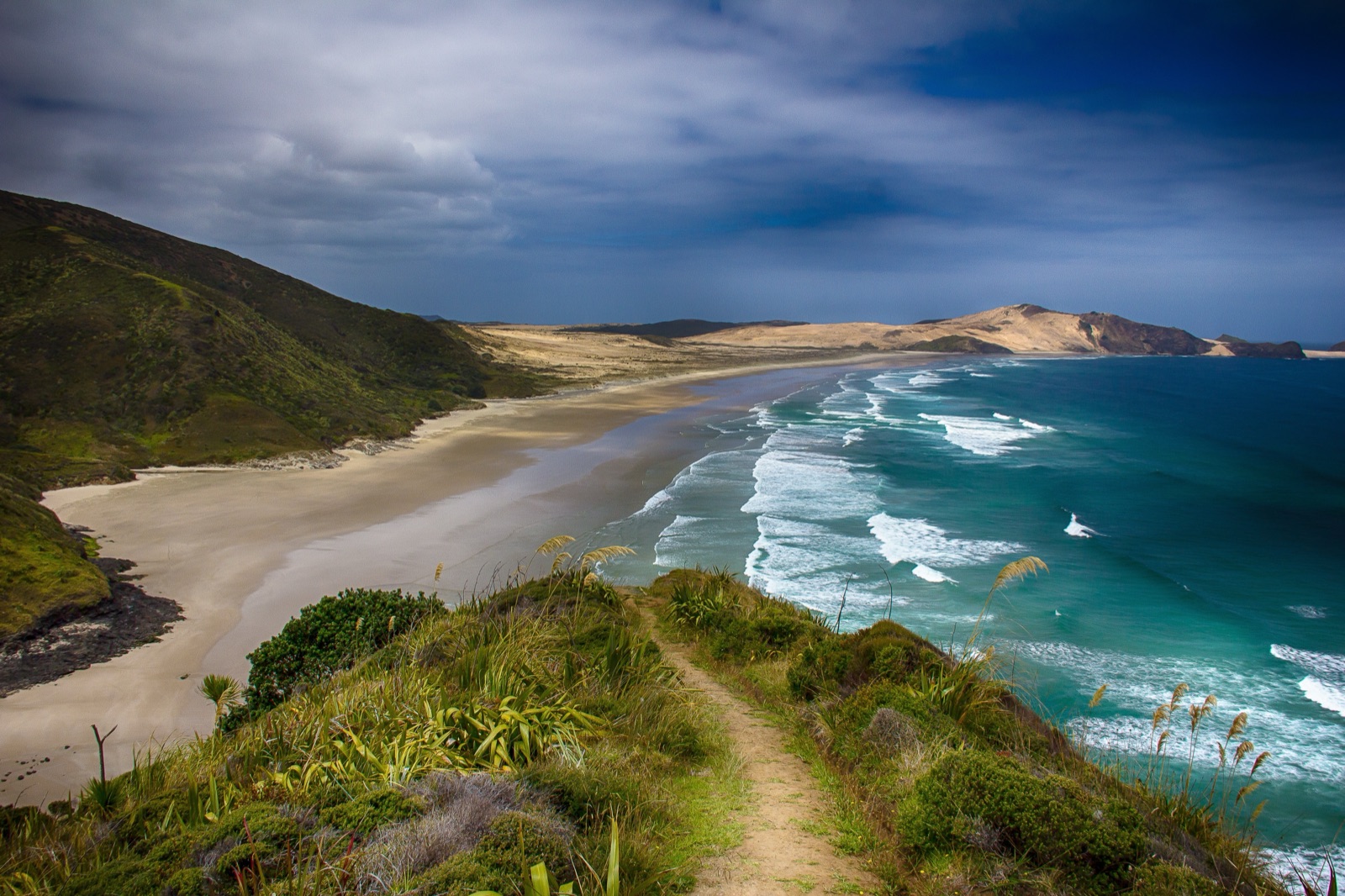
New Zealand sits in the southwestern Pacific, surrounded by the Pacific Ocean to the north and east and the Tasman Sea to the west. The Tasman Sea separates it from Australia by about 2,000 km. This remote island location — in the belt of strong westerlies known as the Roaring Forties — means famously unpredictable weather and powerful swells on both coasts.
The two main islands have dramatically different characters. The South Island is dominated by the Southern Alps (Kā Tiritiri o te Moana), whose highest peak, Aoraki / Mount Cook, reaches 3,724 metres, the tallest in Australasia. The North Island is geothermally active, studded with volcanoes, hot springs, and geysers; the Taupō Volcanic Zone produced one of the most powerful eruptions in Earth's recorded history about 1,800 years ago.
The Waikato is New Zealand's longest river, flowing north from Lake Taupo through fertile farmland to the Tasman Sea. Lake Taupo itself fills the caldera of a supervolcano; at 616 square kilometres it is the largest lake in New Zealand and supplies hydroelectric power for a significant share of the North Island's electricity. The South Island's fiords — Milford Sound, Doubtful Sound — were carved by glaciers and are among the most dramatic coastal landscapes in the world.
New Zealand spans subtropical to subantarctic in latitude, producing a remarkable range of climates across a small landmass. The Southern Alps force wet westerly air upward, creating temperate rainforest on the South Island's west coast while leaving a drier rain shadow on the Canterbury Plains to the east. The far north is almost subtropical; the Southern Alps and Fiordland receive some of the highest rainfall in the world; and the high country supports alpine tussock and permanent glaciers.
- New Zealand was the last large landmass on Earth to be permanently settled by humans — Māori navigators arrived by double-hulled waka from Polynesia around 1280 CE, making it one of the most recently inhabited places on the planet.
- Because New Zealand was isolated for about 80 million years, it has no native land mammals apart from bats — birds evolved to fill ecological niches normally occupied by mammals, which is why so many New Zealand birds, including the kiwi, are flightless.
New Zealand is one of the most urbanized countries in the world: roughly 87% of its 5 million people live in cities. Auckland is by far the largest, home to about a third of the entire national population. Wellington, the compact capital on the windy southern tip of the North Island, is the political and cultural centre. Christchurch is the South Island's main city and was significantly rebuilt after devastating earthquakes in 2010–2011.
New Zealand is increasingly secular — a majority of residents identify with no religion, a trend that has grown rapidly since the 1990s. Christianity remains the most common faith, introduced by missionaries in the early 19th century and widely adopted by Māori. Māori spiritual tradition, including relationships with atua (gods), the natural world, and whakapapa (genealogy), is distinct and continues to shape cultural life and law even outside formal religious practice.
New Zealand has three official languages: English, te reo Māori, and New Zealand Sign Language. Māori biculturalism is embedded in law and governance: the Treaty of Waitangi (1840) is treated as a founding constitutional document, and Māori seats in Parliament have existed since 1867. The Waitangi Tribunal investigates Crown breaches of Treaty promises. New Zealand was the first self-governing country in the world to grant women the right to vote, in 1893.
New Zealand punches well above its weight in the arts. The haka — a Māori ceremonial and challenge performance — is recognised worldwide, especially through the All Blacks rugby team. Kapa haka, Māori group performance combining song, chant, poi, and movement, is a living tradition taught in schools. The country has produced internationally celebrated writers (Patricia Grace, Witi Ihimaera), filmmakers (Peter Jackson), and Weta Workshop, which creates special effects for some of the world's most recognised films.
- New Zealand was the first self-governing country in the world to grant women the right to vote, in 1893 — 27 years before the United States. Kate Sheppard, who led the suffrage campaign, appears on the New Zealand $10 note.
- Te reo Māori was in sharp decline through the mid-20th century, but a revitalisation movement beginning in the 1980s — including Māori-language preschools (kōhanga reo) and immersion schools (kura kaupapa) — has helped rebuild the number of fluent speakers. Today te reo Māori is heard in Parliament, on national radio, and in everyday public life.
New Zealand's economy rests on agricultural exports, tourism, and a growing creative and tech sector. Dairy is the single largest export earner; New Zealand is one of the world's leading exporters of whole milk powder, butter, and cheese, mostly through the Fonterra cooperative. Other key exports include lamb, wool, kiwifruit, timber, and wine. Tourism is a major industry — particularly adventure and nature tourism in Fiordland, Queenstown, and the Tongariro area. The Lord of the Rings films made New Zealand film tourism a significant sector.
New Zealand's primary resources are its fertile pastoral land, marine fisheries, hydroelectric rivers, geothermal energy, and timber. Agriculture dominates the export balance: dairy, meat, and horticulture together make up the majority of export earnings. China is now New Zealand's largest trading partner, followed by Australia. The country has free trade agreements with China, the EU, the UK, and through the CPTPP with a wide range of Pacific Rim nations. Geothermal energy from the Taupō Volcanic Zone supplies about 17% of electricity.
New Zealand is a constitutional monarchy and parliamentary democracy based on the Westminster model; King Charles III is head of state, represented by a Governor-General. Parliament is unicameral. The upper house was abolished in 1950. Elections use a mixed-member proportional (MMP) system, which typically produces coalition governments. There is no written constitution; the Treaty of Waitangi, statute law, and convention together form the constitutional framework. New Zealand has been a nuclear-free zone since the Nuclear Free Zone, Disarmament and Arms Control Act of 1987.
New Zealand is an active member of the Pacific community and a member of the Five Eyes intelligence alliance, the Commonwealth, and the CPTPP trade agreement. Its 1987 nuclear-free policy — which bars nuclear-armed ships from its ports — strained relations with the United States but gave New Zealand a distinctive independent foreign policy identity. New Zealand maintains a territorial claim to a slice of Antarctica (the Ross Dependency) and operates Scott Base there. It is also a leading voice in Pacific climate diplomacy on behalf of low-lying island nations.
- New Zealand once had roughly 70 million sheep — about 22 per person. The ratio has fallen dramatically since the 1980s as dairy farming expanded and land use changed, but the country still has approximately 6 million sheep to 5 million people, making it one of the most sheep-dense nations on Earth.
- New Zealand declared itself nuclear-free in 1987, banning nuclear-armed or nuclear-powered ships from its ports. The United States suspended its ANZUS alliance obligations to New Zealand in response — a diplomatic freeze that lasted until 2012, when military cooperation was partially restored, though the nuclear-free policy remains unchanged.
Recipes
For the whole familyMini Pavlova
Pavlova was created in Australia or New Zealand in the 1920s and named for Russian ballerina Anna Pavlova; its precise national origin remains disputed. In New Zealand it is a beloved Christmas and summer-celebration dessert topped with cream and fruit, especially kiwifruit or berries, and it belongs to a shared Australasian food tradition.
What it is: A crisp meringue shell with a soft marshmallow-like center, topped with whipped cream and fruit such as kiwifruit or berries
Difficulty: More involved and adult-assisted because meringue is sensitive to mixing, baking, cooling, and humidity
One-Pot Kūmara (Sweet Potato) Mash
Kumara was carried to Aotearoa by Polynesian settlers centuries before European arrival and became one of the most important cultivated Maori foods. It is eaten year-round and at gatherings, including foods cooked in a hangi; sweet potatoes are widespread across the Pacific, but kumara's varieties, name, and history are central to New Zealand food culture.
What it is: A savory sweet-potato mash flavored in the linked version with miso, fried garlic, and rosemary
Difficulty: Easy to moderate; the mash is simple, with a few extra flavoring components
Traditional Games
All agesA Māori team ball game played in schools and communities today. Its full form uses a circular field, named zones, and different scoring goals for the two teams.
A Māori children’s pastime of forming figures with a loop of string, sometimes accompanied by stories, chants, or songs.
Activities
Watch Children Perform Kapa Haka
Watch Māori children combine song, chant, coordinated movement, and expression in a living performance tradition that carries language, history, and community identity.
Matariki: The Māori New Year
Discover why the return of the Matariki star cluster marks the Māori New Year—a midwinter season of remembrance, gratitude, celebration, and planning for the year ahead.
Rotorua's Geothermal Colors
Study steaming pools, mineral-stained ground, and bubbling mud around Rotorua, then paint a textured geothermal landscape based on what you observe.
Make a Pompom Kiwi
Wrap yarn into a fluffy brown pompom and add feet, a beak, and eyes to make New Zealand's beloved national bird
Make a Matariki Star
Craft a star to celebrate Matariki — the Māori New Year marked by the return of the Pleiades star cluster in the midwinter sky
Count in Te Reo Māori: Tahi, Rua, Toru, Whā
Learn to count to ten in the Māori language using a cheerful counting song — then count everything in sight
Māui and Te Ika-a-Māui
Hear a Māori story connected with the North Island and compare the "fish of Māui" with the island's outline.
Map New Zealand's Islands and Landforms
Locate the main islands, strait, cities, mountains, volcanoes, and glaciers that shape life in New Zealand.
Rūaumoko and New Zealand's Restless Land
Explore New Zealand's earthquakes and volcanoes through earth science, Māori tradition, and hands-on pages from Te Papa's activity book.
Why Flightless Birds Needed New Defenses
Model what happens when ground-dwelling native birds meet mammal predators that were not part of New Zealand's original ecosystem.
Te Tiriti o Waitangi: New Zealand's Founding Document
Read about the treaty between Māori chiefs and the British Crown and see why its wording — in two languages — still matters today.
Polynesian Voyaging to Aotearoa
Map New Zealand within Polynesia and learn how skilled navigators read stars, waves, winds, birds, and clouds.
Plate Boundary and Rain-Shadow Map
Map how colliding tectonic plates built New Zealand's mountains and volcanoes, then see how the Southern Alps divide the wet west from the drier east.
Meet the Kākāpō: A New Zealand Conservation Story
Meet New Zealand's flightless nocturnal parrot and see how Māori guardians, scientists, and rangers are helping it recover from near extinction.
How Te Reo Māori Came Back into Classrooms
Trace how a language pushed out of many schools became the center of Māori-led language nests, schools, broadcasting, and national revitalization.
New Zealand During World War II: Life on the Home Front
Explore what wartime restrictions, shortages, military service, and fear of attack meant for families far from the battlefields.
The Waitangi Tribunal: When a Country Tries to Fix Its Treaty Violations
New Zealand created a court in 1975 specifically to hear Māori claims that the Crown broke its promises.
The Treaty of Waitangi: Promises, Land Loss, and Conservation Today
Learn what the Treaty promised, what happened to Māori land and resources afterward, and how Treaty responsibilities affect conservation today.
Geothermal Energy: Benefits, Costs, and Māori Connections
Explore why underground heat is concentrated beneath the central North Island and weigh how geothermal energy can benefit communities while affecting springs, waterways, and culturally important places.
Auckland: A Pacific City
Explore New Zealand's largest urban area to see how Māori, Pacific, Asian, European, and other communities shape a modern city built around harbors and volcanic landforms.
Christchurch Earthquakes: Rebuilding a City
Compare damage and rebuilding after the 2010–2011 Canterbury earthquakes and decide what makes a city safer and more resilient.
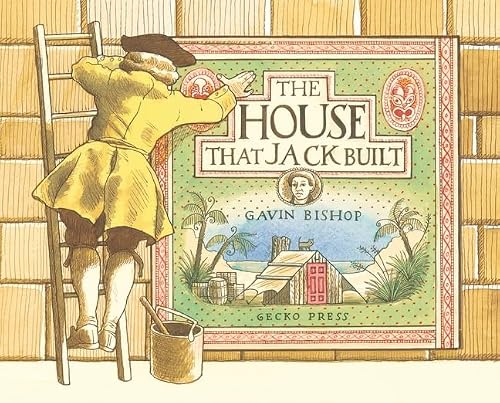
Picture Books
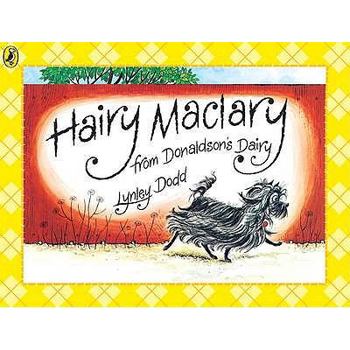
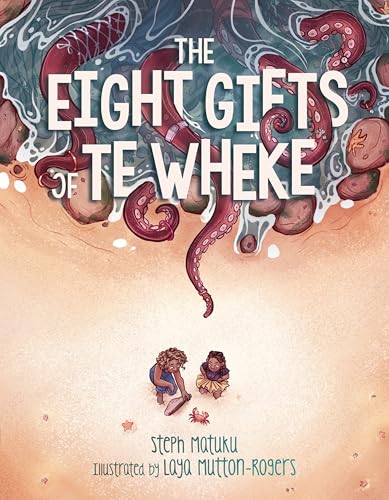
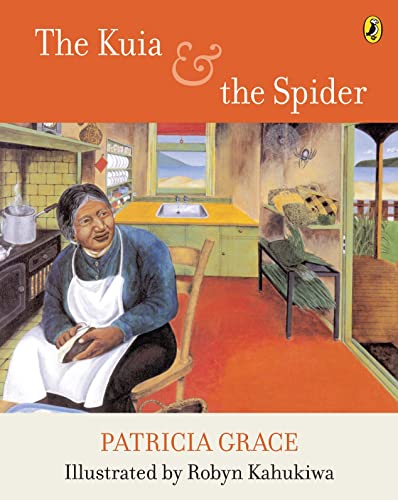
Recommended for grades K–4 and family read-alouds. Short, illustrated books suited to independent or shared reading; some explore subjects that older students can study more deeply.
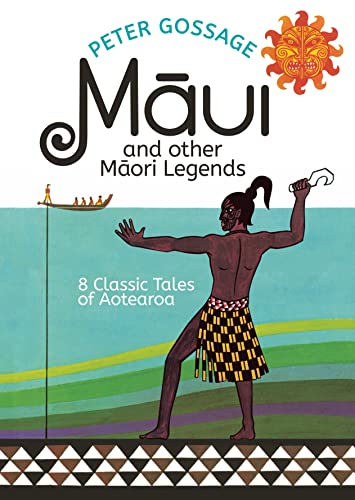
Middle Grade
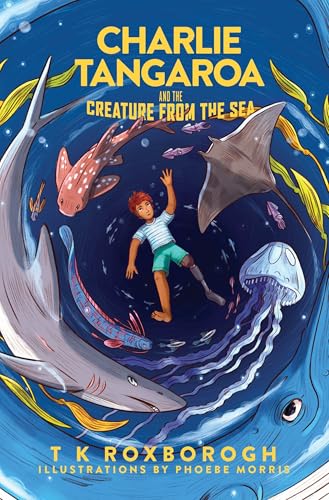
Middle Grade / Teen Crossover
Recommended for grades 6–9. Books that appeal across the middle-grade and early-teen years because of their subject matter, themes, or reading level.
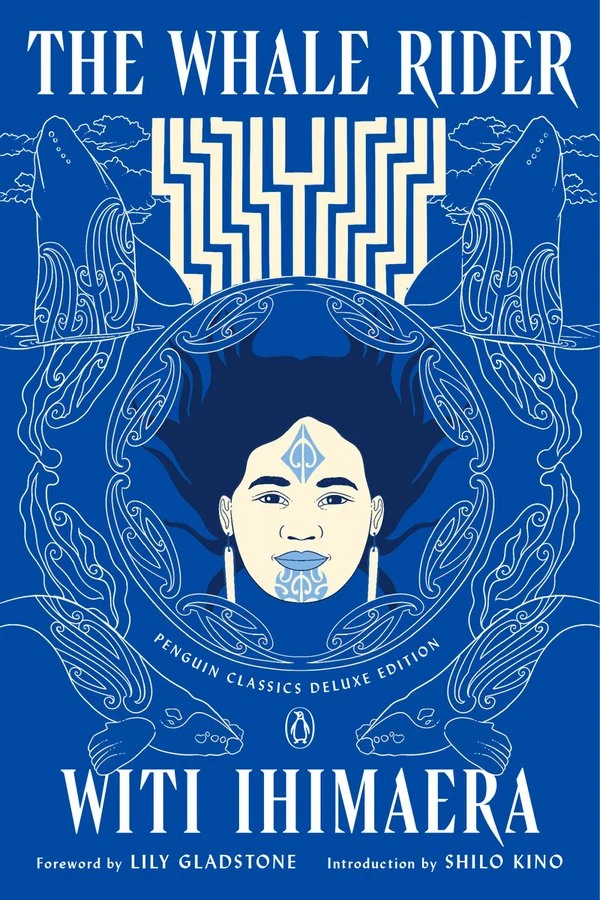

Grade 9 / Advanced
Recommended for grades 8–9 and up. More demanding in length, language, structure, subject matter, or required background knowledge.

Reference Books
A note for parents
Grade recommendations are based on reading level, complexity, and intended audience. Because every student and family is different, please review the book descriptions and content notes, and preview titles as needed, to determine whether each selection is a good fit for your student and your family's values. Content notes identify potentially sensitive material but may not cover every concern.