South Africa
Africa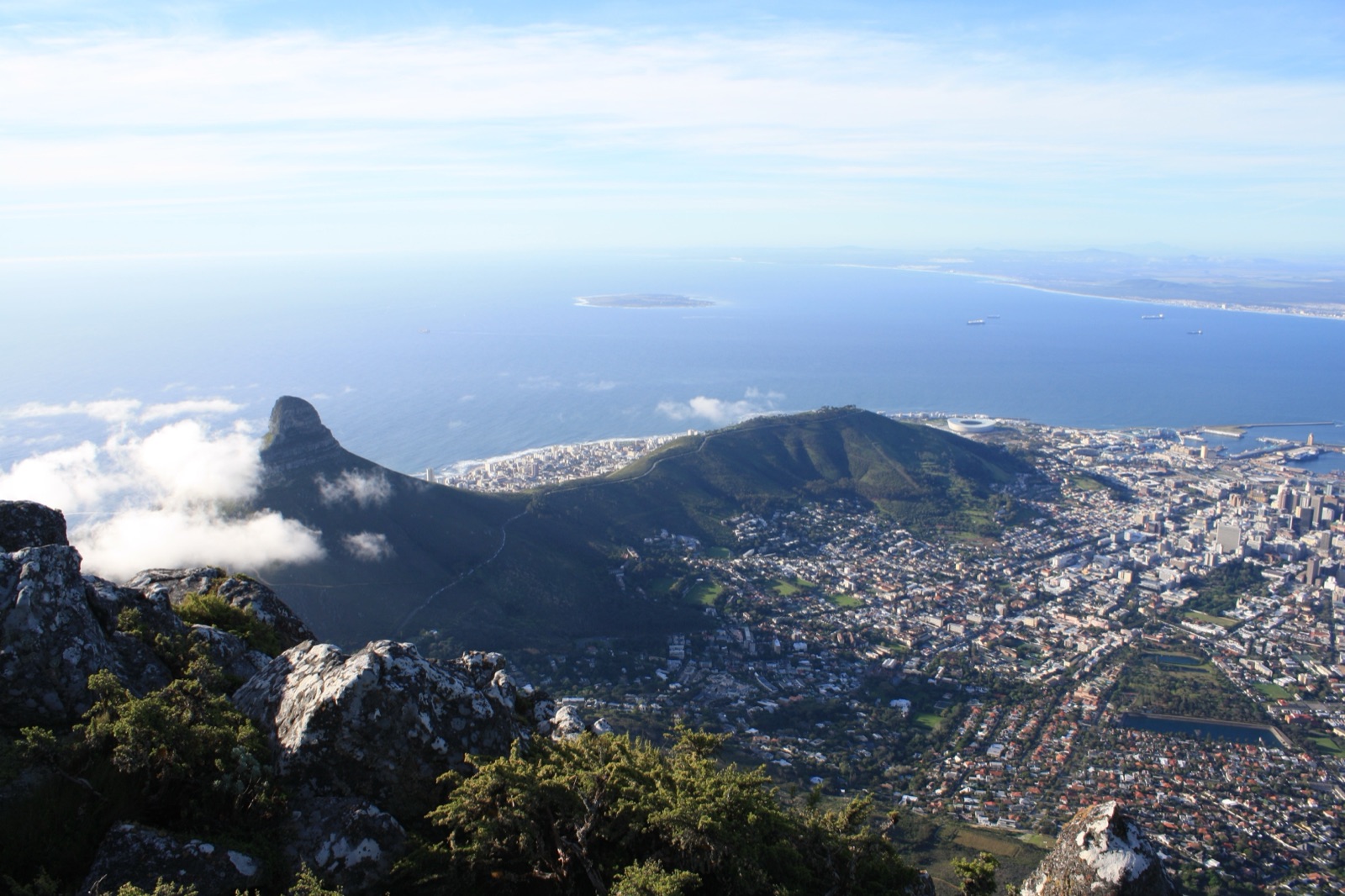
South Africa is bordered by both the Atlantic Ocean (west) and the Indian Ocean (east). The two oceans officially meet not at the famous Cape of Good Hope but at Cape Agulhas — about 150 km to the southeast — the true southernmost tip of the African continent. The cold Benguela Current on the west and warm Agulhas Current on the east create two very different coastlines with different marine ecosystems, weather, and even water temperature.
The Drakensberg ("Dragon Mountains") forms a dramatic escarpment stretching about 1,000 km along the eastern edge of the interior plateau, rising to 3,450 m. Its slopes contain thousands of San rock paintings made over millennia, and it feeds rivers that supply much of eastern South Africa.
The Cape Floristic Region—about the size of Portugal—packs over 9,000 plant species into that small area, most found nowhere else. It is one of the richest regions for plant diversity on Earth. Inland, the vast semi-arid Karoo plateau covers nearly a third of the country with low scrub and extraordinary geological history.
The Orange River — South Africa's longest at 2,200 km — drains the high interior plateau (the highveld) westward to the Atlantic, forming much of the border with Namibia along the way. The interior plateau sits at roughly 1,500 meters elevation, giving it cooler temperatures and less rain than the subtropical coasts. Its grasslands and farmland are among Africa's most productive.
- A widespread misconception holds that Cape of Good Hope is the southernmost tip of Africa — but it isn't. Cape Agulhas, about 150 km to the southeast, is both the true southernmost point of the continent and the official dividing line between the Atlantic and Indian Oceans.
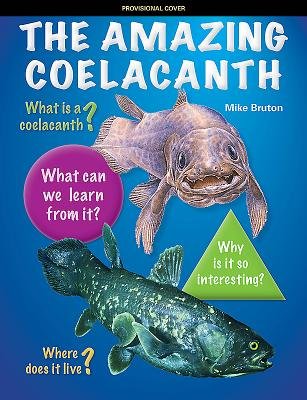
- In 1938, a fish long thought extinct was discovered off South Africa's coast. The coelacanth had previously been known only from fossils, so finding a living one became one of the twentieth century's most famous zoological discoveries.
South Africa's 60+ million people are concentrated in major urban centers: Johannesburg (the economic capital), Cape Town (the legislative capital and top tourist destination), and Durban (the major port). Apartheid policies forced Black South Africans out of many neighborhoods and restricted where they could live, helping create enormous townships on city outskirts; those patterns still contribute to some of the world's highest levels of inequality today. The concept of the "Rainbow Nation"—coined by Archbishop Desmond Tutu—captures the vision of diverse communities sharing one country.
About 80% of South Africans identify as Christian, reflecting both the legacy of missionaries and genuine widespread faith across communities. Cape Malay communities in Cape Town maintain a centuries-old Muslim tradition brought by enslaved and indentured people from Southeast Asia during Dutch colonial rule. Zulu, Xhosa, Sotho, and other ethnic communities observe indigenous ceremonies and ancestral beliefs alongside — and sometimes woven into — Christianity.
South Africa recognizes 11 official languages — Zulu, Xhosa, Afrikaans, English, Sepedi, Tswana, Sotho, Tsonga, Swati, Venda, and Ndebele — plus South African Sign Language, added as the 12th in 2023. This extraordinary multilingualism reflects the country's ethnic diversity and is a deliberate rejection of the linguistic hierarchy that apartheid enforced. Most South Africans speak at least two of these languages fluently.
South Africa has produced globally influential music — Miriam Makeba, Hugh Masekela, Johnny Clegg — and distinctive performing arts, including gumboot dance (born in the gold mines) and isicathamiya choral singing (shaped in mine hostels). Ndebele geometric mural painting is a living art form used by women to decorate homes. The Ubuntu philosophy — "I am because we are" — is a widely shared social value across many communities.
- The Cradle of Humankind fossil site, about 50 km northwest of Johannesburg, has produced over 40% of all known hominid fossils from its ancient limestone caves. Some fossils found there are more than 3 million years old — making this patch of South African highveld one of the most important sites in the story of human origins.
- Nelson Mandela and Archbishop Desmond Tutu, both Nobel Peace Prize winners, lived on Vilakazi Street in Soweto, Johannesburg. That makes one short street closely tied to two of the most internationally recognized figures in South Africa's struggle against apartheid.
South Africa is Africa's most industrialized economy. Mining remains central — gold, diamonds, platinum, and chromium — but the country also has significant automobile manufacturing (Ford and BMW have major plants here), a respected wine industry, a large financial sector based in Johannesburg, and a well-developed tourism industry drawing visitors to Kruger National Park, the Winelands, and Cape Town.
South Africa holds the world's largest known reserves of platinum and chromium, concentrated in the Bushveld Igneous Complex in the north. The country was historically the world's largest gold producer (now ranked lower after deep reserves were exhausted). It also exports coal, iron ore, and diamonds, and produces over 1 billion liters of wine per year — placing it among the world's top ten wine-producing countries.
South Africa is a constitutional democracy since its first fully democratic election in 1994. Uniquely, it has three capital cities: Pretoria (executive, where the president governs), Cape Town (legislative, where parliament sits), and Bloemfontein (judicial, where the Supreme Court of Appeal sits). This three-way arrangement was a deliberate compromise reached after the unification of four British and Boer colonies in 1910.
South Africa is Africa's largest economy by industrial output and a founding member of BRICS (alongside Brazil, Russia, India, and China). It holds a G20 seat, hosts the African Union's financial institutions, and plays an active peacekeeping role across the continent. The Johannesburg Stock Exchange is Africa's largest. South Africa's 1994 transition from apartheid remains a globally studied model of peaceful democratic transition.
- South Africa's Bushveld Igneous Complex contains an estimated 80% of the world's total platinum-group metal resources — making the country strategically essential to global automobile manufacturing, since platinum is a key component in catalytic converters that reduce exhaust emissions.
- South Africa has three capital cities — Pretoria (executive), Cape Town (legislative), and Bloemfontein (judicial) — a deliberate arrangement negotiated in 1910 to balance the competing interests of British-controlled and Boer-controlled regions when four colonies unified into a single country.
Recipes
For the whole familyCheese-and-Tomato Braaibroodjies
A braai is a South African social meal cooked over a fire, and braaibroodjies—literally "barbecue sandwiches" in Afrikaans—are a familiar side dish at many braais. Families make them in different ways, but cheese, tomato, and onion are a classic combination. You do not need an outdoor fire: a grill pan or sandwich press works well for a simple family version.
What it is: A crisp toasted sandwich with melted cheese, tomato, and onion.
Difficulty: Very easy; children can assemble the sandwiches, with an adult handling the hot pan or grill.
South African Oat Crunchies
In South Africa, "crunchies" are home-baked oat-and-coconut squares with crisp edges and a chewy center. They are a familiar old-fashioned bake-sale, lunchbox, and teatime treat, made by pressing a simple oat mixture into a pan and cutting it into squares after baking. The combination of oats, coconut, butter, and golden syrup makes them easy for children to help prepare while giving families a taste of an everyday South African sweet.
What it is: A buttery baked oat-and-coconut square, crisp around the edges and chewy in the middle.
Difficulty: Easy; children can measure, mix, and press the mixture into the pan, with an adult handling the stove and oven.
Traditional Games
All agesTry a South African strategy game in which each player moves 12 counters, traditionally called "cows," and tries to form rows of three.
Test hand-eye coordination in a traditional South African game played with small stones or counters and one larger tossing stone.
Activities
Meet South Africa’s Beach Penguins
Watch African penguins waddle, nest, and swim at a colony tucked beside a South African beach.
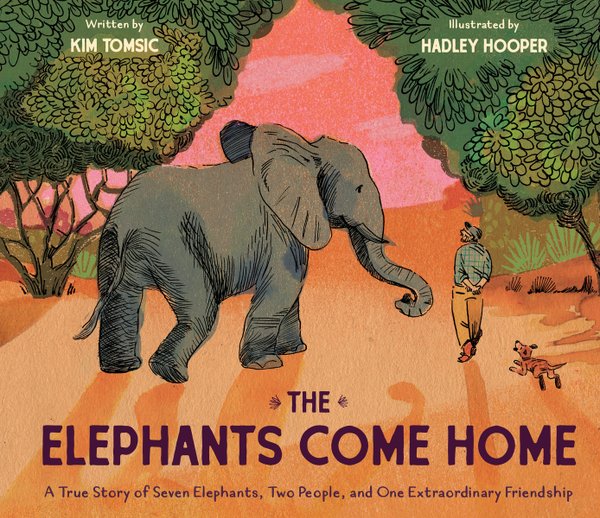
Meet the Elephants of Thula Thula
See the real South African reserve and elephant herd behind The Elephants Come Home.
Make a Crumpled Newspaper Elephant
Crumple and glue layers of newspaper into an elephant head — the wrinkled texture appears all by itself
Sing and Clap "Shosholoza"
Clap and sing South Africa's most beloved folk song — a song Nelson Mandela called "a song of hope" that he sang during his imprisonment
South Africa's Many Landscapes: Virtual Tour
Explore Table Mountain, the Drakensberg, the Karoo desert, and the Garden Route coast across 19 national parks
Learn a Gumboot Dance Pattern
Follow a short stomp-and-slap sequence from a South African performance tradition shaped by mineworkers.
Explore Johannesburg Today
See the streets, neighborhoods, art, parks, businesses, and busy city life of South Africa’s largest city.
Meet the Cape Floral Kingdom
Discover why a small corner of South Africa contains an astonishing number of plants found nowhere else.
The Fish Scientists Thought Was Extinct
Meet the coelacanth, known only from ancient fossils until a surprising catch off South Africa in 1938.
South Africa from Coast to Plateau
Build a simple mental map of a country ringed by coast but dominated by a high interior plateau.
Constitution Hill: From Prison to Court
See how a jail where thousands were imprisoned under unjust laws became the home of South Africa's Constitutional Court.
Listen to Isicathamiya
Hear close harmony and soft synchronized stepping in a South African vocal tradition shaped by migrant workers.
Journey Toward Johannesburg
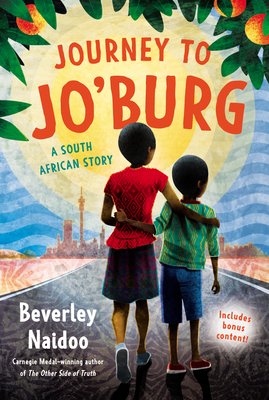
Use Journey to Jo’burg to see how distance, work, transportation, and apartheid shaped movement between rural and urban South Africa.
Esther Mahlangu: Ndebele Art in a Contemporary World
See how one South African artist carried a living Ndebele mural tradition onto canvases, buildings, and even a BMW.
Drakensberg Mountains and San Rock Art
Explore a dramatic mountain landscape that also preserves thousands of paintings made over generations by San people.
The Elephants of Thula Thula: How Much Space Does a Herd Need?
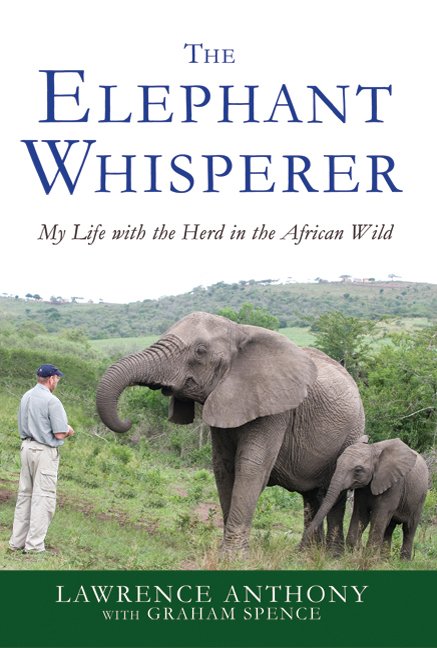
Use the real reserve behind The Elephant Whisperer to see why wildlife conservation is also a question of land, water, fences, and neighboring communities.
Apartheid's Geography: Homelands, Group Areas, and Forced Removals
Apartheid used maps and laws to control where 40 million people could live, work, and belong.
Explore Robben Island
Enter the prison landscape where Nelson Mandela and many other political prisoners were held under apartheid.
South Africa’s Language Geography
See how the language spoken most often at home changes dramatically from one province to another.
Cape Town “Day Zero"
Compare reservoir images from a severe drought and see what happens when a major city begins running short of water.
Mapungubwe: A Kingdom Connected to the Indian Ocean World
Discover a wealthy precolonial South African kingdom whose gold, ivory, glass beads, and trade routes connected the Limpopo Valley with distant markets.
Miriam Makeba: Exile, Testimony, and Music as Resistance
Her passport was revoked for speaking at the UN. She couldn't go home for 31 years.
Picture Books
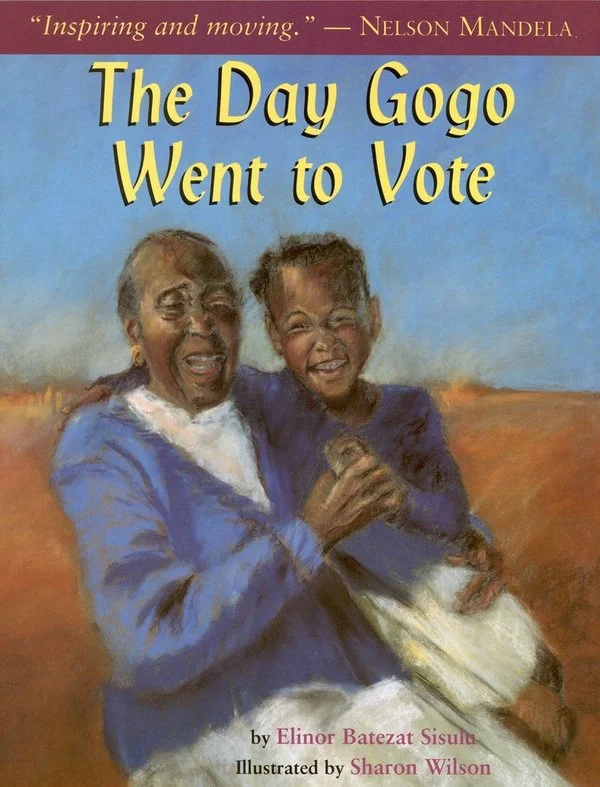
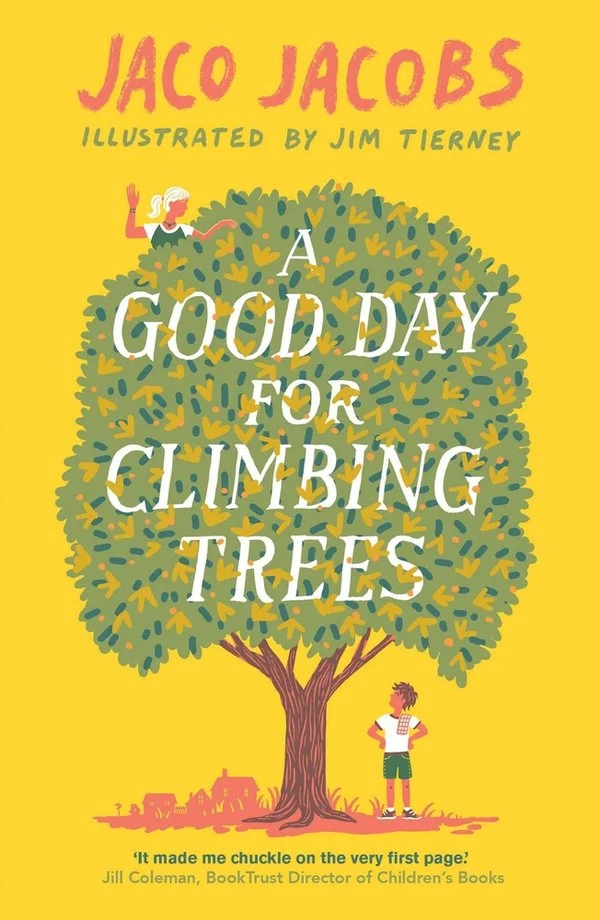
Recommended for grades K–4 and family read-alouds. Short, illustrated books suited to independent or shared reading; some explore subjects that older students can study more deeply.
Middle Grade
Middle Grade / Teen Crossover
Recommended for grades 6–9. Books that appeal across the middle-grade and early-teen years because of their subject matter, themes, or reading level.
Grade 9 / Advanced
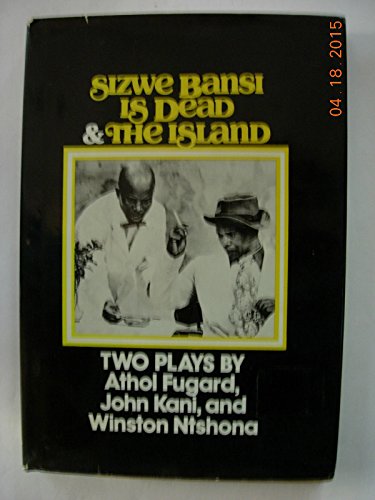
Recommended for grades 8–9 and up. More demanding in length, language, structure, subject matter, or required background knowledge.
Reference Books
A note for parents
Grade recommendations are based on reading level, complexity, and intended audience. Because every student and family is different, please review the book descriptions and content notes, and preview titles as needed, to determine whether each selection is a good fit for your student and your family's values. Content notes identify potentially sensitive material but may not cover every concern.